
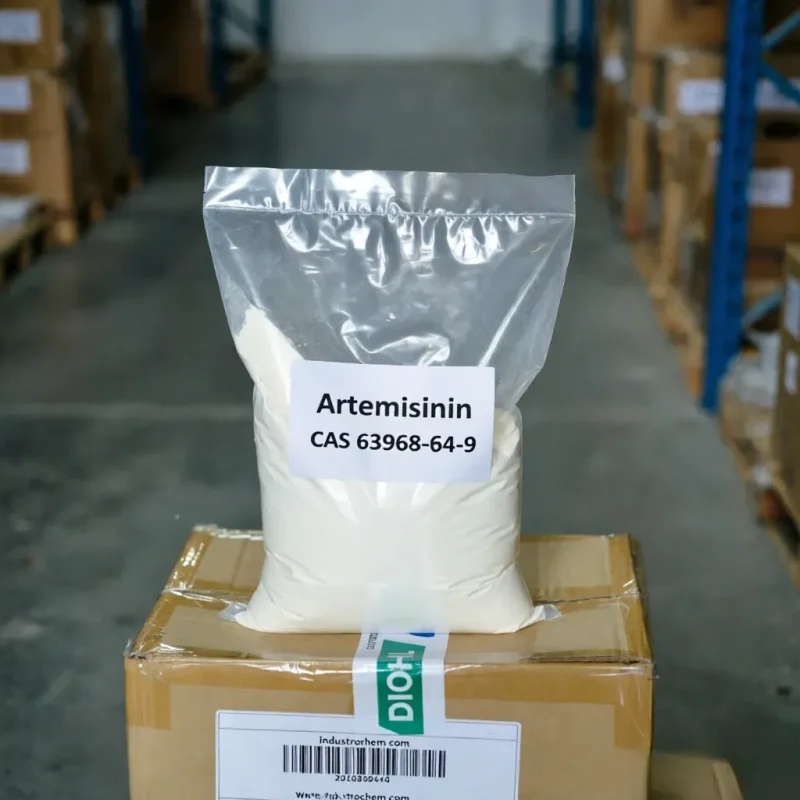
Artemisinin CAS 63968-64-9
Artemisinin is a sesquiterpene lactone with an endoperoxide bridge supplied as white to slightly yellowish crystalline powder. It serves as the core Active Pharmaceutical Ingredient (API) and precursor for synthesizing antimalarial derivatives like artesunate and artemether. Core uses include antimalarial drug formulation (ACTs), veterinary antiparasitics, and pharmaceutical intermediates. Each shipment includes COA, TDS, and SDS.
- CAS No: 63968-64-9
- Synonyms: Qinghaosu, Arteannuin, Artemisinine, (3R,5aS,6R,8aS,9R,12S,12aR)-Octahydro-3,6,9-trimethyl-3,12-epoxy-12H-pyrano[4,3-j]-1,2-benzodioxepin-10(3H)-one
- EC Number: 264-604-5
- Molecular Formula: C15H22O5
- Molecular Weight: 282.33 g/mol
- Appearance: White to slightly yellowish crystalline powder
- Purity (HPLC): ≥ 99.0%
- Specific Rotation: [α]D²⁰ = +75.0° to +78.0° (c = 1, Ethanol)
- Packaging: 1 kg (2.2 lb) aluminum foil bag; 5 kg (11 lb) fiber drum; 25 kg (55 lb) fiber drum with PE liner. Custom packaging available upon request.
- Main Applications: Antimalarial API (ACTs), synthesis of artesunate/artemether, veterinary antiparasitic drugs
Introduction to Artemisinin
Artemisinin is a sesquiterpene lactone containing a rare 1,2,4-trioxane ring system with an endoperoxide bridge, which is essential for its potent antimalarial activity. Extracted primarily from the sweet wormwood plant (Artemisia annua L.) or produced via semi-synthesis, it is the foundational compound for Artemisinin-based Combination Therapies (ACTs) recommended by the WHO. Pharmaceutical manufacturers use it as the direct API or as the primary intermediate to synthesize water-soluble (artesunate) and oil-soluble (artemether) derivatives with improved bioavailability.
The critical processing parameter is the preservation of the endoperoxide bridge, which degrades under high heat and strong alkaline conditions. Extraction and purification must be conducted below 60 °C (140 °F) using neutral solvents. The primary storage risk is thermal and photo-degradation; keep the material in tightly sealed, light-resistant containers to maintain full pharmacological efficacy.
Key Features of Artemisinin
- High-purity API grade. HPLC purity ≥ 99.0% with strictly controlled residual solvents, meeting Ph. Eur., USP, and CP monograph requirements for antimalarial manufacturing.
- Intact endoperoxide bridge. The 1,2,4-trioxane structure is verified by IR and NMR, ensuring full pharmacological efficacy for downstream derivative synthesis or direct formulation.
- Optical purity. Specific rotation [α]D²⁰ = +75.0° to +78.0°, confirming the natural stereochemistry essential for biological activity against Plasmodium parasites.
- Consistent particle size. Milled to a uniform powder (typically 80-100 mesh) to ensure predictable dissolution rates during API blending and tablet compression.
- Traceable botanical origin. Sourced from high-artemisinin-yield Artemisia annua cultivars, fully compliant with WHO prequalification and GACP (Good Agricultural and Collection Practices) guidelines.
Artemisinin Chemical & Physical Properties
| Property | Value |
|---|---|
| Molecular Formula | C15H22O5 |
| Molecular Weight | 282.33 g/mol |
| Melting Point | 156 – 157 °C (313 – 315 °F) |
| Density | Approx. 1.24 g/cm³ (77.4 lb/ft³) crystal density; bulk powder density 0.45–0.55 g/cm³ (28.1–34.3 lb/ft³). |
| Solubility | Soluble in chloroform, acetone, ethyl acetate, and glacial acetic acid; slightly soluble in ethanol and methanol; practically insoluble in water. |
| Specific Rotation | [α]D²⁰ = +75.0° to +78.0° (c = 1, Ethanol) |
| Loss on Drying | ≤ 0.5% |
| Residual Solvents | Meets ICH Q3C guidelines |
| Heavy Metals | ≤ 10 ppm (Pb ≤ 2 ppm) |
Applications of Artemisinin
Antimalarial API (ACTs): Formulated directly into oral solid dosages (tablets/capsules) or used in combination therapies (e.g., Artemisinin-Piperaquine) per WHO guidelines for treating uncomplicated Plasmodium falciparum malaria. Dosage typically ranges from 500 mg to 1000 mg per adult dose depending on the specific ACT protocol.
Synthesis of Artemisinin Derivatives: Serves as the starting material for sodium borohydride reduction to produce dihydroartemisinin (DHA), which is subsequently esterified to manufacture artesunate (water-soluble for IV/IM injection) or artemether (oil-soluble for IM injection). Reaction temperatures must be strictly controlled below 40 °C (104 °F) to prevent endoperoxide cleavage.
Veterinary Antiparasitics: Incorporated into livestock and poultry feed additives or injectable formulations to treat coccidiosis and other protozoal infections. Typical inclusion rates vary by species and regional regulatory approval.
Biopesticide and Agricultural Research: Investigated and formulated as a botanical insecticide and nematicide due to its toxicity against certain agricultural pests, leveraging its natural origin and rapid environmental degradation.
Storage & Safety Precautions for Artemisinin
- Storage: Keep tightly sealed in original foil bags or fiber drums at 2–8 °C (36–46 °F) for long-term API stability, or below 25 °C (77 °F) for short-term transit. Protect from light and moisture. The endoperoxide bridge degrades rapidly above 60 °C (140 °F) and in alkaline environments.
- Safety: Not classified as hazardous under GHS. May cause mild respiratory sensitization upon prolonged inhalation of fine dust. Wear N95 mask, nitrile gloves, and safety goggles during weighing and dispensing. In case of skin contact, wash with soap and water.
- Transport: Artemisinin is Non-DG under IATA/IMDG/ADR. No UN number, no packing group. Standard dry cargo transport acceptable. Avoid leaving shipping containers in direct sunlight or unventilated areas exceeding 40 °C (104 °F) for prolonged periods.
- QC note: Verify identity on receipt by HPLC assay (≥ 99.0%), melting point (156–157 °C / 313–315 °F), and specific rotation. Check for related substances (impurities) per Ph. Eur. or USP monographs to ensure suitability for derivative synthesis.
Artemisinin FAQ
Q: What is the difference between Artemisinin and its derivatives like Artesunate?
A: Artemisinin is the parent compound with poor water and oil solubility, limiting its bioavailability. Artesunate is a water-soluble hemisuccinate derivative, and Artemether is an oil-soluble methyl ether derivative. Both are synthesized from Artemisinin to allow for injectable formulations and faster onset of action in severe malaria cases.
Q: Can Artemisinin be processed using strong alkaline extraction methods?
A: No. The critical 1,2,4-trioxane endoperoxide bridge is highly unstable in alkaline conditions and will cleave, destroying the antimalarial activity. Extraction and purification must use neutral or slightly acidic solvents and avoid temperatures above 60 °C (140 °F).
Q: How do I verify the botanical origin and compliance of the batch?
A: Request the COA and supply chain documentation. WHO-prequalified API suppliers provide GACP (Good Agricultural and Collection Practices) certificates for the Artemisia annua biomass and full traceability reports to ensure the material is free from adulteration and meets international pharmacopeial standards.
Related products
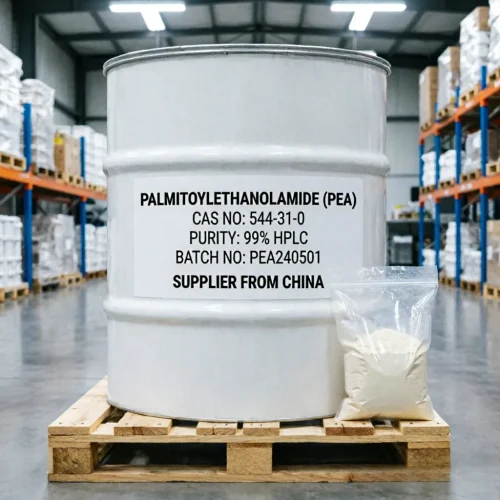
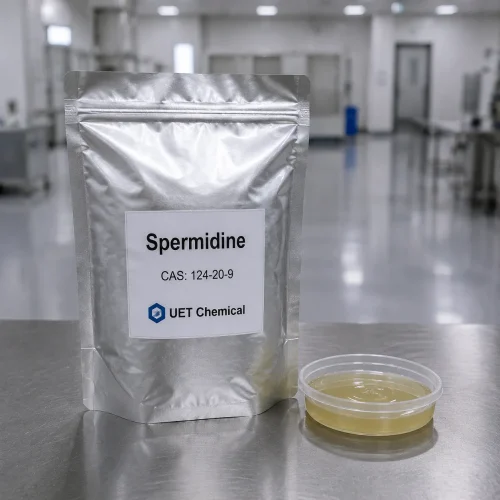
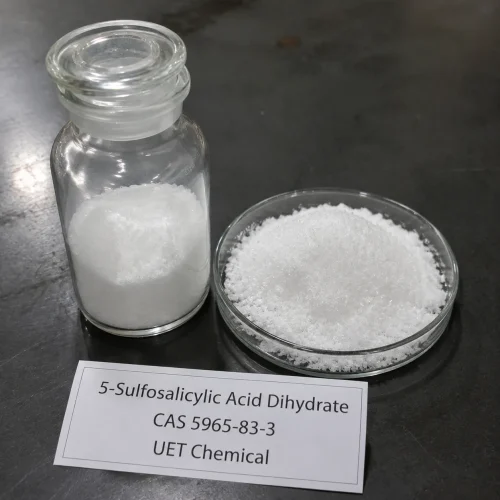
Manufacturer & Exporter Since 2006
Get Tailored Chemical Raw Material Solutions — Reply Within 1 Hour
Factory-direct pricing, stable high-purity supply and complete compliance documentation for your industrial formulations.
- 1000+Products
- 200+QC Protocols
- 7–15Days Delivery
- Factory-Direct Pricing
- COA / TDS / SDS Included
- Free Samples for Testing
- 40+ Export Countries
Request a Free Quote
Our engineers reply within 1 hour during GMT+8 business hours.
Please include in your inquiry:
- Product name or CAS number
- Required quantity
- Destination country or port
- Preferred packaging