
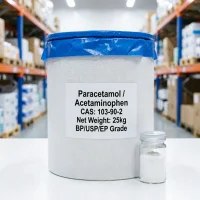
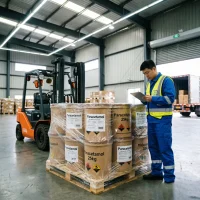
Paracetamol CAS 103-90-2
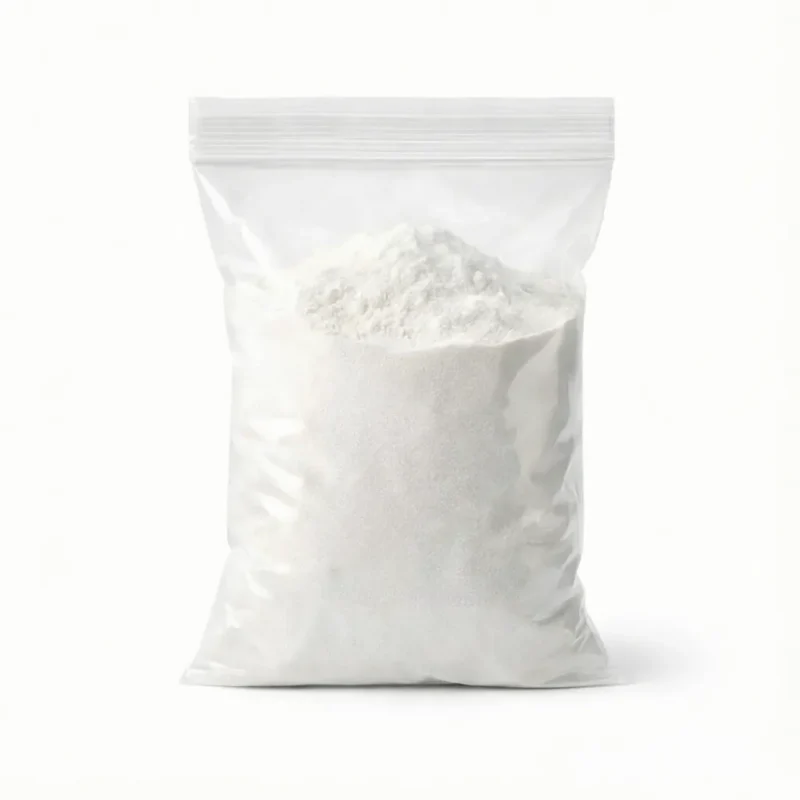
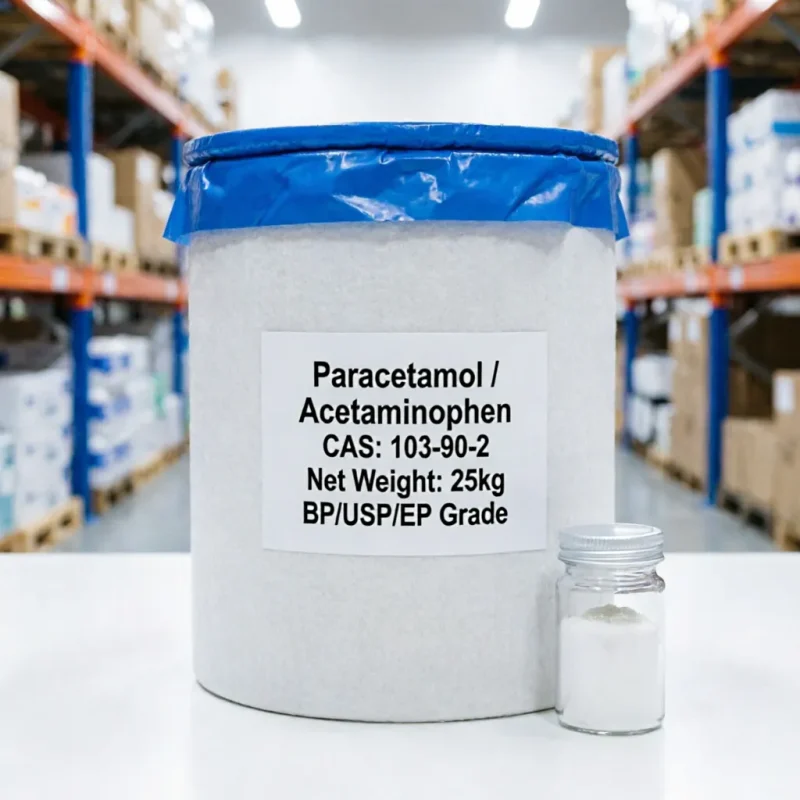
Paracetamol is a widely used analgesic and antipyretic API supplied as white, odorless crystalline powder. Functioning centrally to inhibit prostaglandin synthesis, it provides effective pain relief and fever reduction without the gastrointestinal irritation typical of NSAIDs. It is the core active ingredient for OTC cold/flu formulations, pain management tablets, and pediatric suspensions. Each shipment includes COA, TDS, and SDS, with full DMF support.
- CAS No: 103-90-2
- Synonyms: Acetaminophen, APAP, N-(4-hydroxyphenyl)acetamide, 4′-Hydroxyacetanilide
- EC Number: 203-157-5
- Molecular Formula: C8H9NO2
- Molecular Weight: 151.16 g/mol
- Appearance: White, crystalline powder
- Purity: ≥ 99.0% (BP/USP/EP Grade)
- Particle Size: D90 ≤ 50 µm (Standard micronized grades available)
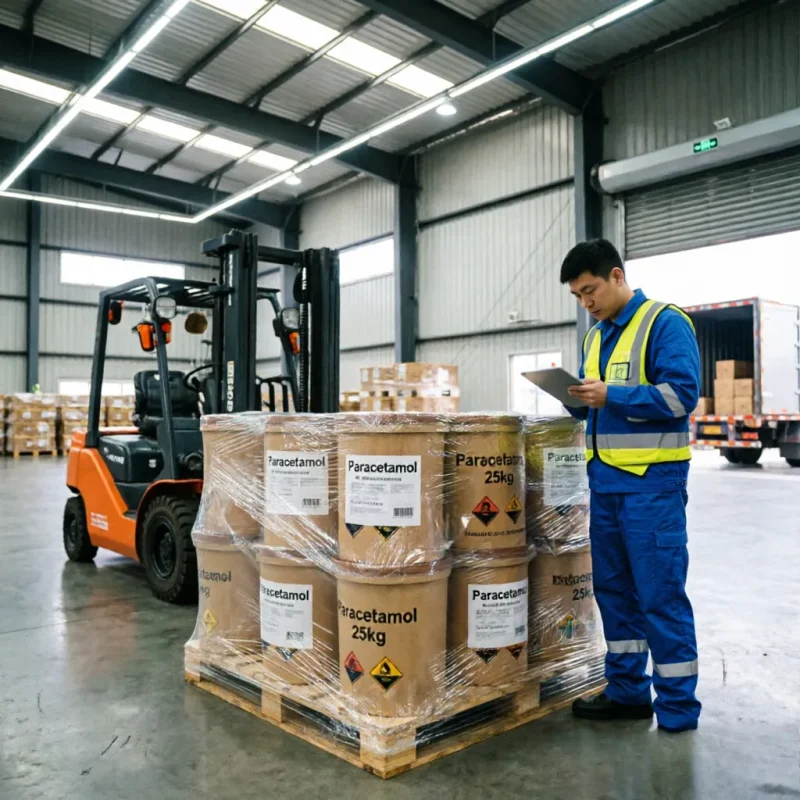
- Packaging: 25 kg (55 lb) fiber drum with double PE liner; 25 kg (55 lb) woven PP bag with PE liner. Custom packaging available upon request.
- Main Applications: Analgesic/antipyretic API, cold & flu sachets, veterinary medicine
Introduction to Paracetamol
Paracetamol (Acetaminophen) is a globally essential Active Pharmaceutical Ingredient (API) belonging to the class of para-aminophenol derivatives. It exerts its analgesic and antipyretic effects primarily through central inhibition of cyclooxygenase (COX) pathways. Unlike non-steroidal anti-inflammatory drugs (NSAIDs) such as ibuprofen or aspirin, Paracetamol does not significantly inhibit peripheral COX enzymes, meaning it causes virtually no gastric mucosal irritation or anti-platelet effects, making it the first-line choice for patients with gastrointestinal sensitivities.
The primary processing advantage for formulation engineers is its excellent compressibility and compatibility with common excipients like microcrystalline cellulose (MCC) and starch. The critical quality control risk is the presence of the toxic impurity p-aminophenol; our manufacturing process strictly controls this impurity to well below pharmacopoeial limits (typically < 50 ppm). Store drums in a climate-controlled API warehouse below 25 °C (77 °F) and maintain low humidity to prevent caking.
Key Features of Paracetamol
- Pharmacopoeial compliance. Manufactured under cGMP conditions to strictly meet current BP, USP, and EP monograph requirements, ensuring seamless regulatory filing for global markets.
- Superior direct compression profile. Standard and granular grades exhibit high bulk density and excellent flowability, allowing for high-speed rotary tablet pressing without capping or lamination issues.
- Minimal gastrointestinal toxicity. Lacks the peripheral COX-1 inhibition that causes ulcers, making it the safest baseline analgesic for elderly patients and long-term care formulations.
- High chemical stability. Remains stable in solid dosage forms for 3–5 years under standard blister or HDPE bottle packaging, provided moisture ingress is prevented.
Paracetamol Chemical & Physical Properties
| Property | Value |
|---|---|
| Molecular Formula | C8H9NO2 |
| Molecular Weight | 151.16 g/mol |
| Melting Point | 168–172 °C (334–342 °F) |
| Bulk Density | 0.50–0.70 g/cm³ (31–44 lb/ft³) depending on granulation grade |
| Solubility | Slightly soluble in water; freely soluble in ethanol (96%); very slightly soluble in methylene chloride. |
| pH (saturated aqueous) | 5.5 – 6.5 |
| p-Aminophenol (Impurity) | ≤ 50 ppm (Strictly controlled) |
| Heavy Metals | ≤ 10 ppm |
| Residual Solvents | Meets ICH Q3C guidelines |
Applications of Paracetamol
Oral solid dosage manufacturing: Used as the primary API in 500 mg immediate-release tablets and capsules. Granular grades are blended directly with binders and disintegrants for wet granulation or direct compression, targeting mild to moderate pain relief (headaches, myalgia) and fever reduction.
Multi-symptom cold & flu formulations: Blended with decongestants (e.g., pseudoephedrine), antihistamines, and caffeine in hot drink sachets and effervescent tablets. Its high aqueous solubility at elevated temperatures makes it ideal for hot beverage delivery systems.
Pediatric and liquid suspensions: Micronized grades (D90 < 20 µm) are utilized in oral syrups and drops. The fine particle size prevents sedimentation caking and ensures accurate dosing via oral syringes, masking the slight bitterness with standard sweeteners and flavors.
Storage & Safety Precautions for Paracetamol
- Storage: Keep tightly closed in original fiber drums or PP bags in a dry, well-ventilated API warehouse at 15–25 °C (59–77 °F). Protect from direct sunlight and moisture. High humidity can cause the powder to cake and degrade tablet compression properties.
- Safety: Not classified as highly hazardous, but fine API dust can cause mild respiratory tract irritation and eye irritation. Operators in weighing and blending suites must wear N95/P2 dust masks, safety goggles, and standard cleanroom garments.
- Transport: Paracetamol is Non-DG under IATA/IMDG/ADR. Not a marine pollutant. Standard 25 kg (55 lb) drums ship in dry containers. Avoid extreme heat during ocean transit to prevent melting/degradation.
- QC note: Verify melting point (168–172 °C) and assay via HPLC upon receipt. Test specifically for p-aminophenol impurity using the prescribed colorimetric or HPLC method; levels exceeding 50 ppm indicate synthesis pathway contamination and the lot must be rejected.
Paracetamol FAQ
Q: What is the difference between Paracetamol and Acetaminophen?
A: They are the exact same chemical compound (CAS 103-90-2). Paracetamol is the International Nonproprietary Name (INN) used globally, while Acetaminophen is the United States Adopted Name (USAN). Both names refer to the identical API.
Q: Does this API support regulatory filings in the US and Europe?
A: Yes. Our product is manufactured under cGMP and complies with current USP and EP monographs. We provide open DMF (Drug Master File) reference letters and CEP/COS documentation upon request to support your ANDA or MAA submissions.
Q: What is the main dust handling risk in the tablet press room?
A: Like most fine organic APIs, Paracetamol dust poses a combustible dust explosion risk in high concentrations. Ensure the milling and blending areas use ATEX-rated equipment, proper HVAC dust extraction, and strict grounding protocols.
Related products
Manufacturer & Exporter Since 2006
Get Tailored Chemical Raw Material Solutions — Reply Within 1 Hour
Factory-direct pricing, stable high-purity supply and complete compliance documentation for your industrial formulations.
- 1000+Products
- 200+QC Protocols
- 7–15Days Delivery
- Factory-Direct Pricing
- COA / TDS / SDS Included
- Free Samples for Testing
- 40+ Export Countries
Request a Free Quote
Our engineers reply within 1 hour during GMT+8 business hours.
Please include in your inquiry:
- Product name or CAS number
- Required quantity
- Destination country or port
- Preferred packaging