
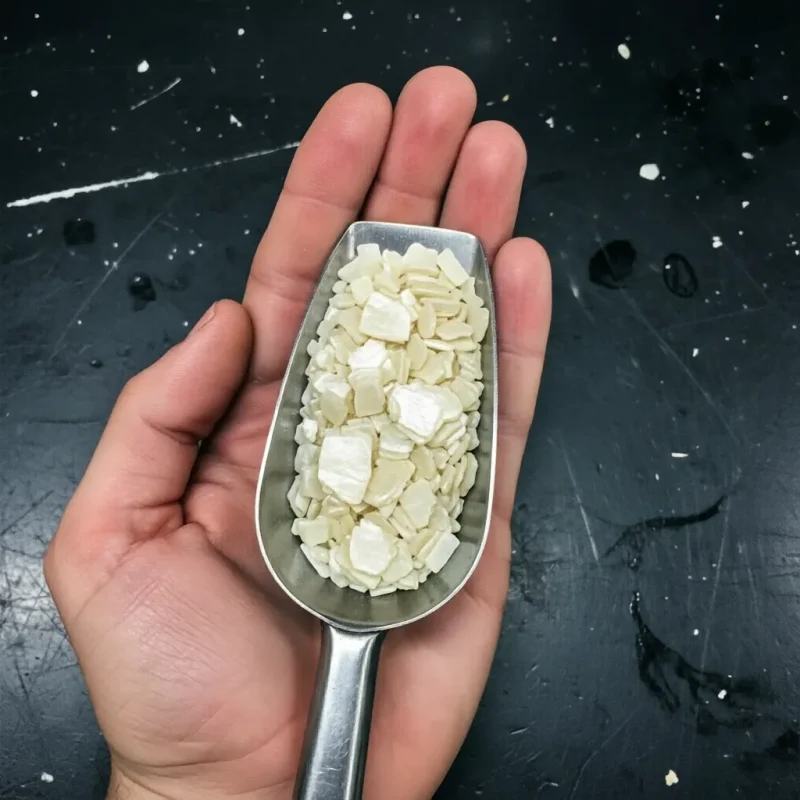
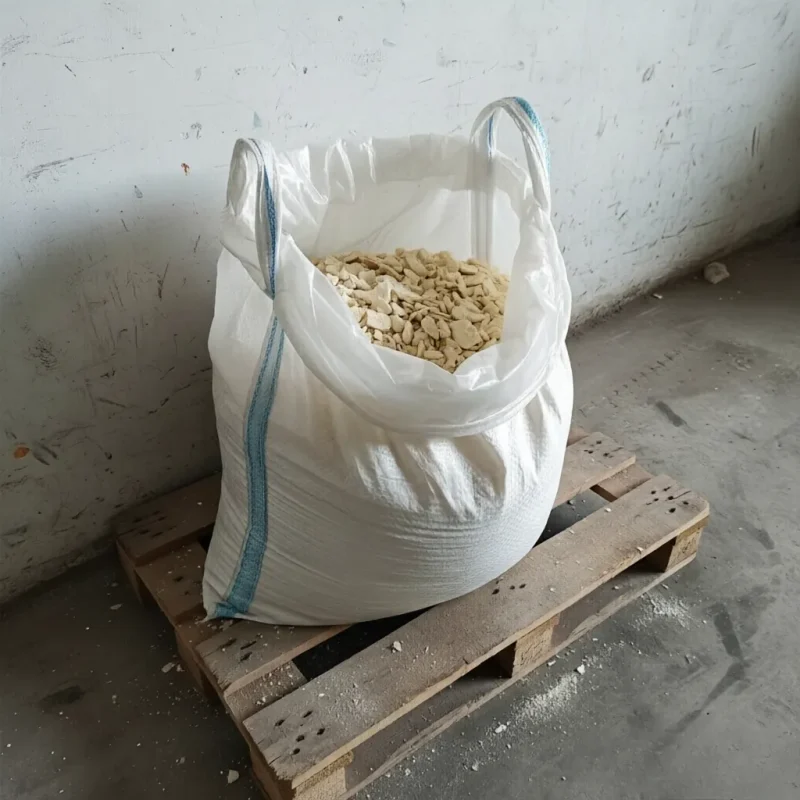


2-Naphthol Crystals CAS 135-19-3
2-Naphthol Crystals are white to pale pink phenolic crystals and a β-naphthol intermediate used mainly as an azo coupling component for dyes and pigments and as a building block for rubber antioxidants and biocides. The hydroxyl group at the 2-position activates the adjacent 1-position for electrophilic azo coupling, forming red/orange chromophores in alkaline diazo systems. Each shipment is supplied with COA, TDS and SDS.
- CAS No: 135-19-3
- Synonyms: β-Naphthol; 2-Hydroxynaphthalene; Naphthalen-2-ol; beta-Naphthol
- EINECS: 205-182-7
- Molecular Formula: C10H8O
- Molecular Weight: 144.17 g/mol
- Appearance: White to off-white or pale pink crystalline solid
- Purity: ≥99.0% by GC, typical; batch COA governs
- Melting Range: 121–123 °C (249.8–253.4 °F)
- Water Solubility: ~0.074 g/L (74 mg/L) at 25 °C (77 °F)
- Packaging: 25 kg fiber drum with PE inner liner. Custom packaging available upon request.
- Main Applications: azo dye and pigment coupling, rubber antioxidant intermediates, fragrance ether intermediates, fungicide/preservative intermediates
Introduction to 2-Naphthol Crystals
2-Naphthol Crystals are white to pale pink crystalline phenol solids with the hydroxyl group fixed at the 2-position of naphthalene. This structure makes the 1-position highly reactive toward diazonium salts, so the product is used as a coupling component for red and orange azo dyes and as an intermediate for rubber antioxidants, fungicides and wood preservatives.
In caustic solution, 2-naphthol forms sodium 2-naphtholate, which gives a homogeneous coupling bath and helps control azo coupling at C-1. The main handling risk is oxidation: damp, alkaline or exposed crystals darken quickly, so keep drums sealed, dry and shaded, and retest melting range and GC assay before using aged lots in dye batches and record melt color, onset and final batch results for traceability.
Key Features of 2-Naphthol Crystals
- C-1 azo coupling site. The 2-hydroxyl structure directs diazonium attack to the 1-position, forming stable red/orange azo chromophores under pH 8–10.
- Phenolic acidity near pKa 9.5. Caustic soda converts the crystals to sodium 2-naphtholate, creating a homogeneous coupling bath without organic cosolvent.
- High melting crystalline solid. A 121–123 °C (249.8–253.4 °F) melting range allows weighing and charging at ambient temperature while reducing melt-caking.
- Low water solubility. About 0.074 g/L (74 mg/L) at 25 °C (77 °F) means untreated rinse water is not clear; effluent needs precipitation, adsorption or oxidation.
- Color drift under air and alkali. Oxidized crystals turn pink to brown, so QC checks melt color and melting range before releasing aged inventory.
2-Naphthol Crystals Chemical & Physical Properties
| Property | Value |
|---|---|
| Molecular Formula | C10H8O |
| Molecular Weight | 144.17 g/mol |
| Melting Range | 121–123 °C (249.8–253.4 °F) |
| Boiling Point | 285–286 °C (545–547 °F) at 760 mmHg (101.3 kPa), literature value |
| Density | 1.22 g/cm3 (76.2 lb/ft3), solid |
| Flash Point | ≈157 °C (≈315 °F), closed cup |
| Solubility | ~0.074 g/L (74 mg/L) in water at 25 °C (77 °F); soluble in ethanol, ether, acetone, benzene and dilute alkali |
| pKa | ≈9.5 in water at 25 °C (77 °F) |
| Vapor Pressure | <0.001 mmHg (<0.00013 kPa) at 25 °C (77 °F), estimated |
| Typical Assay | ≥99.0% by GC, batch-specific |
Applications of 2-Naphthol Crystals
Azo dye coupling component: In alkaline solution, sodium 2-naphtholate couples with diazonium salts at C-1 to build red/orange azo dye structures. Formulators usually charge 1.00–1.05 mol 2-naphthol per mol diazonium salt, hold pH 8.5–10 and keep coupling temperature at 0–15 °C (32–59 °F) to limit diazo decomposition and tar formation.
Organic pigment manufacture: The same C-1 coupling reaction produces insoluble naphthol pigments when the diazo component carries hydrophobic aryl groups. Because 2-naphthol has low water solubility, the coupling bath needs high-shear mixing and controlled caustic feed; typical molar excess is 1.00–1.03 relative to diazo salt to avoid residual diazonium in filter cake.
Fragrance ether intermediates: Methylation or ethylation of the phenolic OH converts 2-naphthol into 2-methoxynaphthalene or related ethers used in fragrance blends. Batch synthesis normally uses 1.00–1.20 mol alkylating agent per mol 2-naphthol, followed by washing to remove residual phenol and alkali.
Fungicide and wood preservative intermediates: The free phenolic OH gives biocidal action and provides a site for conversion to salts or esters that adjust oil solubility. In treatment formulations, active levels often fall between 0.5% and 2.0% by weight, subject to local biocide registration and end-use restrictions.
Storage & Safety Precautions for 2-Naphthol Crystals
Storage: Store below 30 °C (86 °F) in a dry, sealed drum. Keep away from light, moisture, strong oxidizers and caustic solutions. 2-Naphthol oxidizes and darkens quickly in alkaline or humid conditions. If a drum cakes or turns pink-brown, retest melting range per ASTM E324 and GC assay before use; an onset below 121 °C (250 °F) indicates degradation.
Safety & Spill Handling: Treat as harmful if swallowed and hazardous to aquatic life (typical GHS: H302, H315, H319, H411). Use a P100 dust respirator, chemical goggles and nitrile gloves. Avoid dust clouds because the dust is combustible with a flash point of ≈157 °C (315 °F). For spills, isolate the area, sweep with non-sparking tools into a closed drum, and do not wash into drains.
Transport: Non-DG under common transport references for 25 kg sealed drums. During container loading, keep drums upright and protect from rain; a wet container floor can turn spilled crystals into slippery, dark alkaline residues when mixed with caustic washing water.
2-Naphthol Crystals FAQ
Q: Why do 2-Naphthol Crystals turn pink or brown during storage?
A: The color change usually comes from oxidation. 2-Naphthol darkens when exposed to air, light, moisture or alkaline residues, and opened drums oxidize faster. Do not release on appearance alone. Check melting range per ASTM E324 and observe melt color. If onset falls below 121 °C (250 °F) or melt is brown, retest GC before use. Light surface discoloration can be sampled after removing the top layer, but caked or deeply brown material should be isolated. Store sealed, dry and shaded, and rotate stock by receipt date.
Q: For CAS 135-19-3, why is melting range more useful than appearance alone for acceptance?
A: Appearance can hide early oxidation or impurities. Pure 2-naphthol usually melts sharply at 121–123 °C (249.8–253.4 °F). Moisture or oxidation products depress onset and widen the range. Run an ASTM E324 capillary melting range; record onset, end point and melt color. If onset drops below 121 °C (250 °F), check water content and GC before azo coupling. Do not charge doubtful lots directly for production. An abnormal melting range signals changed dissolution and coupling behavior, while a narrow range supports consistent caustic dissolution and lower pigment shade variation.
Related products
Manufacturer & Exporter Since 2006
Get Tailored Chemical Raw Material Solutions — Reply Within 1 Hour
Factory-direct pricing, stable high-purity supply and complete compliance documentation for your industrial formulations.
- 1000+Products
- 200+QC Protocols
- 7–15Days Delivery
- Factory-Direct Pricing
- COA / TDS / SDS Included
- Free Samples for Testing
- 40+ Export Countries
Request a Free Quote
Our engineers reply within 1 hour during GMT+8 business hours.
Please include in your inquiry:
- Product name or CAS number
- Required quantity
- Destination country or port
- Preferred packaging