
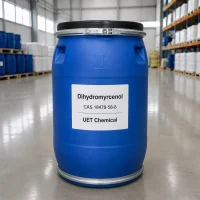
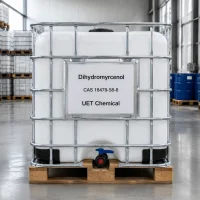
Dihydromyrcenol CAS 18479-58-8
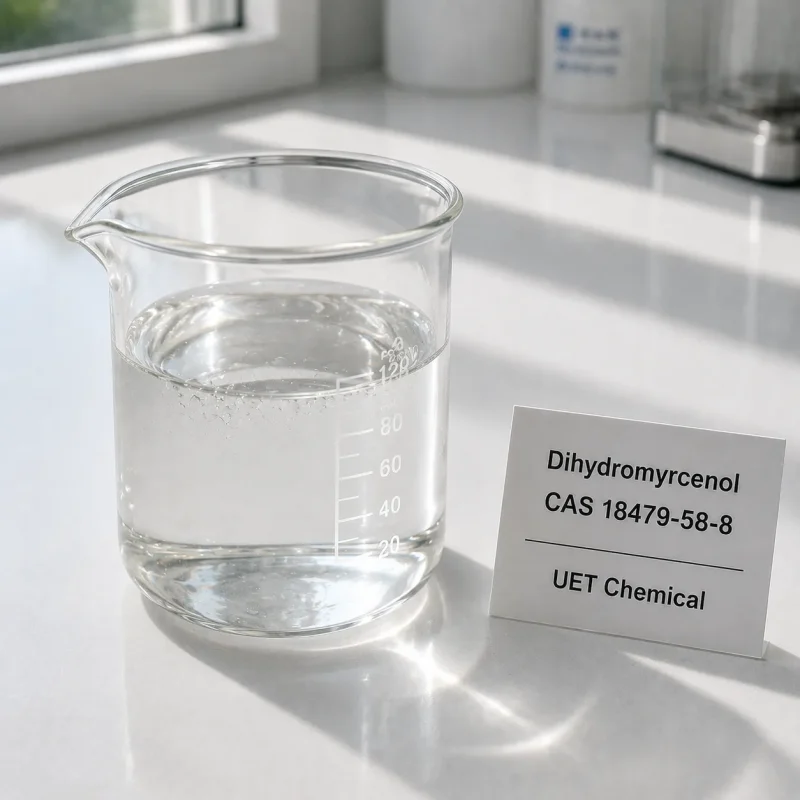
Dihydromyrcenol is a synthetic terpene alcohol built on a 2,6-dimethyl-7-octen-2-ol backbone. Supplied as a colorless to pale-yellow liquid (≥98.0% GC purity), it delivers a powerful, fresh citrus-lime and floral-lavender signature in laundry detergents, bar soaps, and fine fragrances. We supply stabilized material with strict peroxide limits; each shipment includes COA, TDS, and SDS.
- CAS No.: 18479-58-8
- Synonyms: 2,6-Dimethyl-7-octen-2-ol; Dihydromyrcenol
- EINECS: 242-457-0
- Molecular Formula: C₁₀H₂₀O
- Molecular Weight: 156.27 g/mol
- Appearance: Colorless to pale-yellow liquid
- Purity (GC): ≥98.0%
- Flash Point: ~88 °C (closed cup)
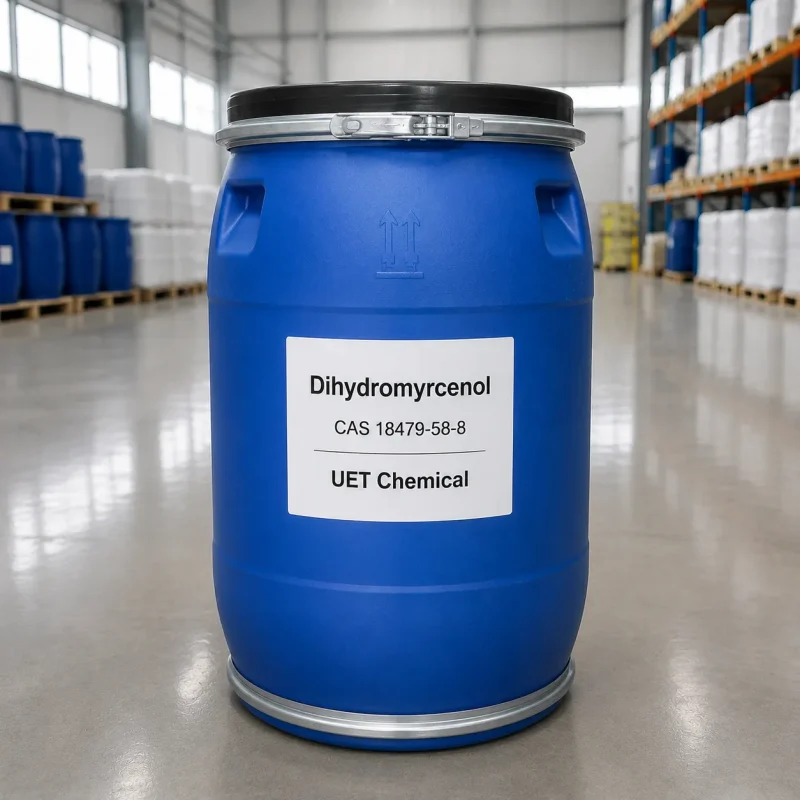
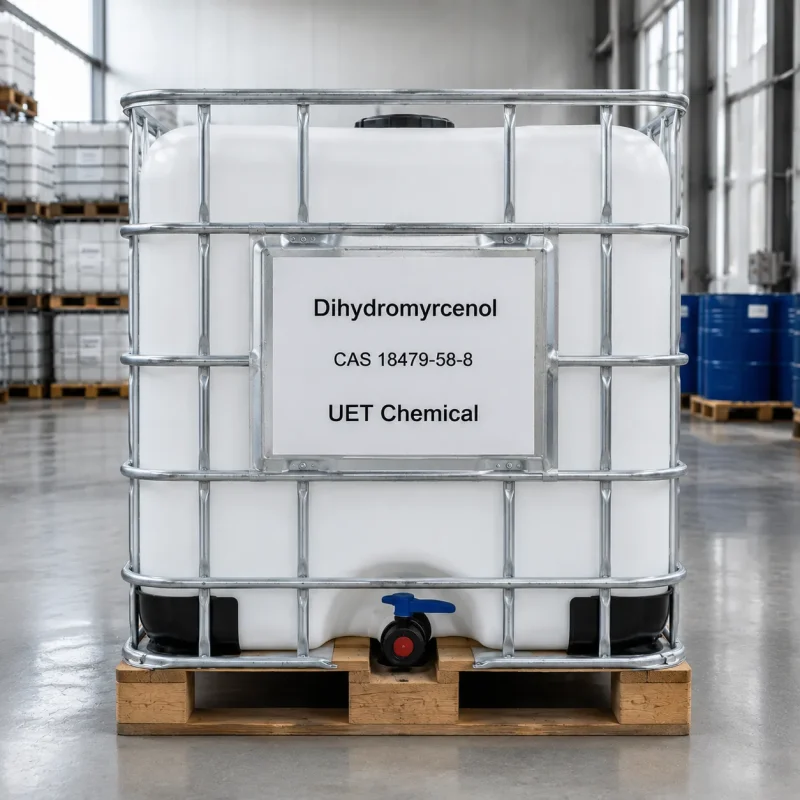
- Packaging: 25 kg HDPE drum / 180 kg HDPE drum / 900 kg IBC tote. Custom packaging available upon request.
- Main Applications: Laundry detergents; bar soaps; fine fragrances; household cleaners
Introduction to Dihydromyrcenol
Dihydromyrcenol is a colorless to pale-yellow liquid, a synthetic terpene alcohol where a tertiary hydroxyl group sits on a dimethyl-substituted octene chain. This structure produces an intense, diffusive odour combining sharp citrus, crushed lime leaves, and soft floral-lavender nuances. Perfumers rely on it as the backbone of modern fresh-fougère and citrus colognes, while formulators dose it heavily into laundry liquids and bar soaps for outstanding wash-and-wear substantivity.
The tertiary alcohol and isolated double bond grant exceptional stability in harsh alkaline matrices where natural citrus oils degrade. One practical caution: the double bond makes the molecule prone to autoxidation when exposed to air and light, forming peroxides that cause yellowing and off-odours. We pre-dose 0.1% BHT as an antioxidant and recommend storing drums under a nitrogen blanket in a cool, dark warehouse.
Key Features of Dihydromyrcenol
- Intense citrus-lime profile. Delivers a sharp, diffusive top-to-heart note that mimics crushed lime and bergamot, bridging the gap between natural citrus oils and synthetic freshness.
- Alkaline and bleach stability. The tertiary alcohol resists saponification and oxidation in pH 10–12 laundry liquids and bar soap noodles, retaining the fresh scent through weeks of curing.
- High fabric substantivity. The lipophilic C10 chain anchors the molecule onto cotton and polyester fibres during the rinse cycle, releasing a clean laundry dry-down in the tumble dryer.
- Low discolouration potential. Leaves white bar soaps and transparent shower gels water-white, provided the material is kept free from peroxide build-up and heavy-metal contamination.
Dihydromyrcenol Chemical & Physical Properties
| Property | Value |
|---|---|
| Molecular Formula | C₁₀H₂₀O |
| Molecular Weight | 156.27 g/mol |
| Appearance | Colorless to pale-yellow liquid |
| Odour | Fresh, citrus, lime, floral, lavender |
| Purity (GC) | ≥98.0% |
| Boiling Point | ~210 °C (1013 hPa) |
| Flash Point | ~88 °C (closed cup) |
| Specific Gravity (20 °C) | 0.820–0.830 g/cm³ |
| Refractive Index (20 °C) | 1.440–1.448 |
Applications of Dihydromyrcenol
Laundry detergents and fabric softeners: Dosed at 1–5% of the fragrance concentrate. The molecule survives the alkaline surfactant matrix and high-temperature spray-drying, depositing onto fabrics to release a fresh citrus burst when the consumer opens the dryer door.
Bar soaps and body washes: Used at 2–8% in the perfume compound. The tertiary alcohol structure withstands the saponification process and the 4–6 week curing phase without turning the soap brown or losing the top-note impact.
Fine fragrances and colognes: Formulated at 5–20% in fine fragrance concentrates. Acts as the primary fresh-lime heart note in iconic men’s colognes (e.g., Cool Water, Drakkar Noir types) and blends seamlessly with linalool, geraniol, and oakmoss.
Household cleaners and air care: Added at 0.5–2% in hard-surface cleaners and aerosol sprays. Provides a powerful “clean” signal that masks base chemical odours and leaves a lingering fresh-air impression.
Storage & Safety Precautions for Dihydromyrcenol
Storage conditions. Store in tightly sealed HDPE drums or aluminium bottles at 5–25 °C, protected from direct sunlight. The isolated double bond slowly reacts with atmospheric oxygen to form peroxides; keep drums full or blanket with nitrogen, and verify the BHT antioxidant level on arrival. Never store near strong oxidisers or heavy-metal salts.
Safety and PPE. GHS: Skin Irrit. 2 (H315); Eye Irrit. 2 (H319); Skin Sens. 1B (H317); Aquatic Chronic 3 (H412). Wear nitrile gloves and safety goggles during drum transfers. Spills are slippery; contain with inert absorbent and wash with soapy water.
Transport classification. Non-DG. Flash point ~88 °C places it outside Class 3 flammable liquids; not regulated under IMDG, IATA, or ADR. Ship as standard general cargo.
Practitioner note: For incoming QC, run GC-FID against a reference standard to confirm ≥98.0% purity and check the refractive index (1.440–1.448). Always test the peroxide value (target <10 mEq/kg); a high peroxide reading indicates improper transit storage and predicts rapid yellowing in white soap bases. Reject lots with a sour, turpentine-like off-note.
Dihydromyrcenol FAQ
Q: Why did my white bar soap turn yellow after adding Dihydromyrcenol (CAS 18479-58-8)?
A: Peroxide-induced discolouration. The double bond in the molecule autoxidises when exposed to air, light, or trace transition metals during transit, forming peroxides that catalyse yellowing in alkaline soap noodles. Ensure your supplier pre-doses BHT (0.1%), blanket the drums with nitrogen, and test the peroxide value upon arrival. If yellowing occurs, adding a trace amount of Tinopal (optical brightener) or a UV absorber can mask the shift, but preventing oxidation at the raw-material stage is the only permanent fix.
Q: How does Dihydromyrcenol compare to natural Lime or Bergamot oil in laundry detergent?
A: Natural citrus oils contain limonene and linalyl acetate, which oxidise rapidly in alkaline detergents and lose their top-note impact within weeks. Dihydromyrcenol is a synthetic terpene alcohol with no ester bonds to hydrolyse and a tertiary hydroxyl that resists alkaline degradation. It delivers a similar fresh-lime impression but remains stable on the shelf and on the fabric for months, at a fraction of the cost of natural absolutes.
Q: Can I blend it with aldehydes like Lilial or Lyral?
A: Yes, but watch the Schiff base reaction. The tertiary hydroxyl group is relatively stable, but if your formula contains primary amines or certain reactive aldehydes, prolonged storage at high temperatures can cause slight odour shifts. Blending is perfectly fine for standard soap and detergent applications, but for high-end fine fragrances, run a 3-month accelerated stability test at 45 °C before locking the formula.
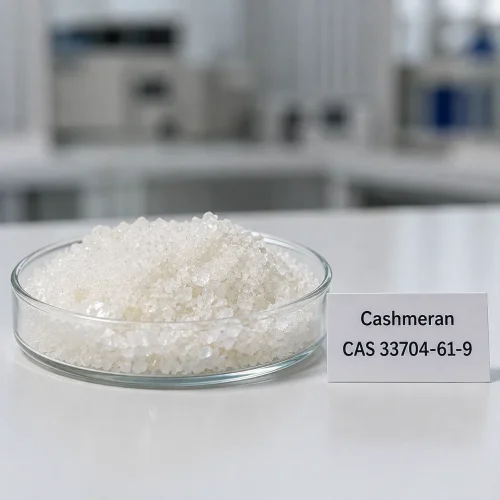
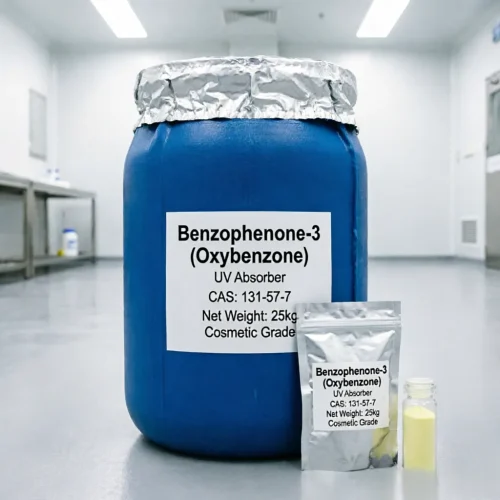
Related products
Manufacturer & Exporter Since 2006
Get Tailored Chemical Raw Material Solutions — Reply Within 1 Hour
Factory-direct pricing, stable high-purity supply and complete compliance documentation for your industrial formulations.
- 1000+Products
- 200+QC Protocols
- 7–15Days Delivery
- Factory-Direct Pricing
- COA / TDS / SDS Included
- Free Samples for Testing
- 40+ Export Countries
Request a Free Quote
Our engineers reply within 1 hour during GMT+8 business hours.
Please include in your inquiry:
- Product name or CAS number
- Required quantity
- Destination country or port
- Preferred packaging