
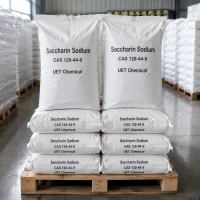
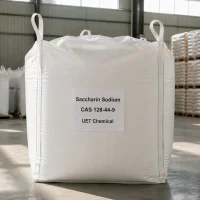
Saccharin Sodium CAS 128-44-9
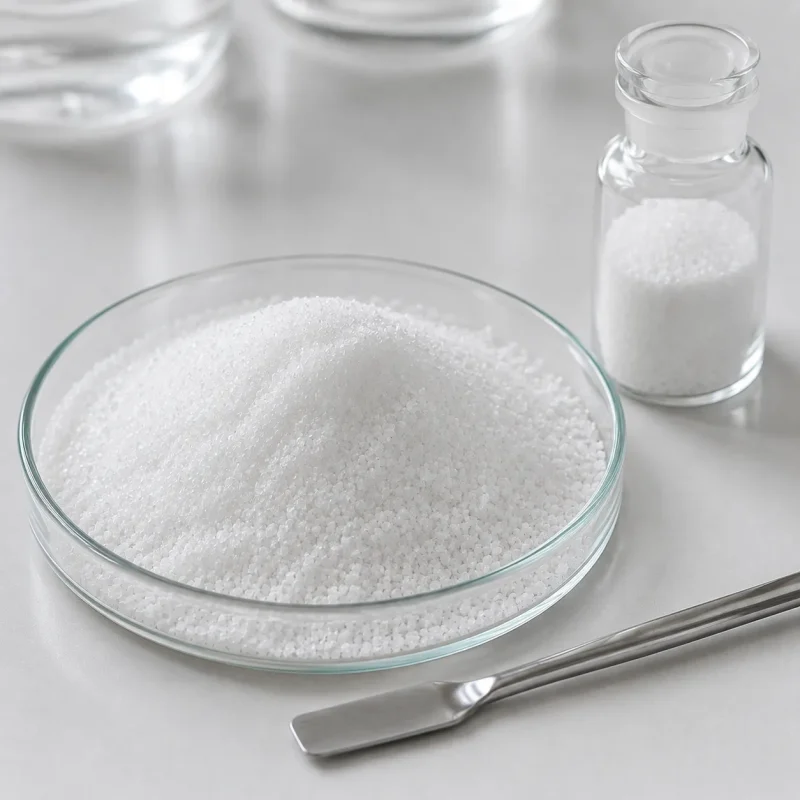
Saccharin Sodium is an artificial, non-nutritive sweetener featuring a benzisothiazole dioxide core with a sodium salt substitution. Supplied as a white crystalline powder (≥99.0% assay), it delivers 300–500 times the sweetness of sucrose in zero-calorie beverages, pharmaceutical syrups, and electroplating baths. Unlike sugar, it provides zero glycemic impact and high thermal stability. Each shipment includes COA, TDS, and SDS.
- CAS No.: 128-44-9
- Synonyms: Sodium saccharin; Soluble saccharin; Sodium o-benzoic sulfimide
- EINECS: 204-886-1
- Molecular Formula: C₇H₄NNaO₃S
- Molecular Weight: 205.17 g/mol
- Appearance: White crystalline powder or colorless crystals
- Assay (dry basis): ≥99.0%
- Loss on Drying: ≤15.0% (Dihydrate) / ≤1.0% (Anhydrous)
- Heavy Metals (as Pb): ≤10 ppm
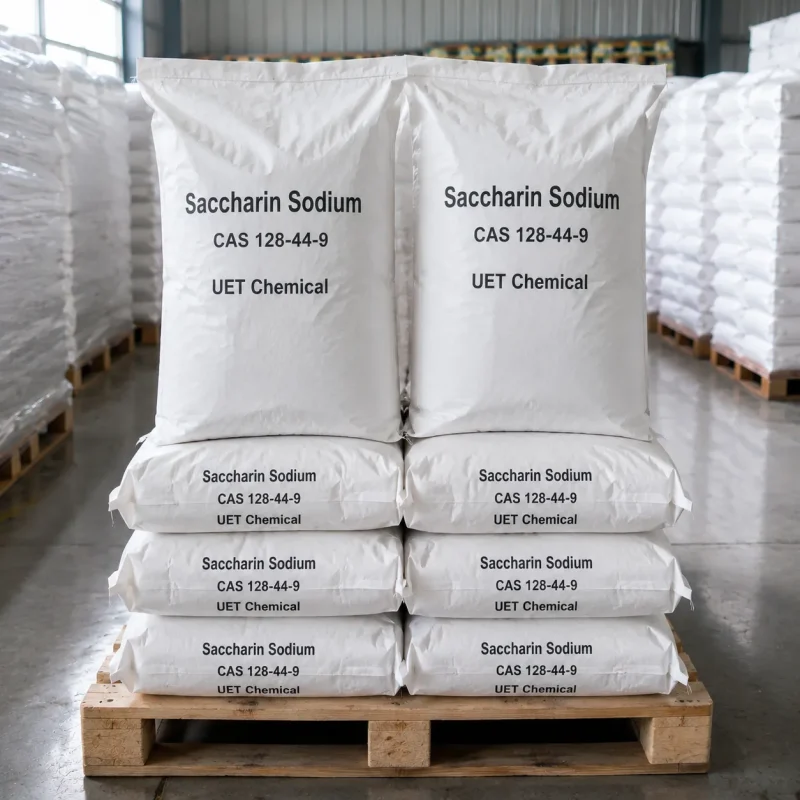
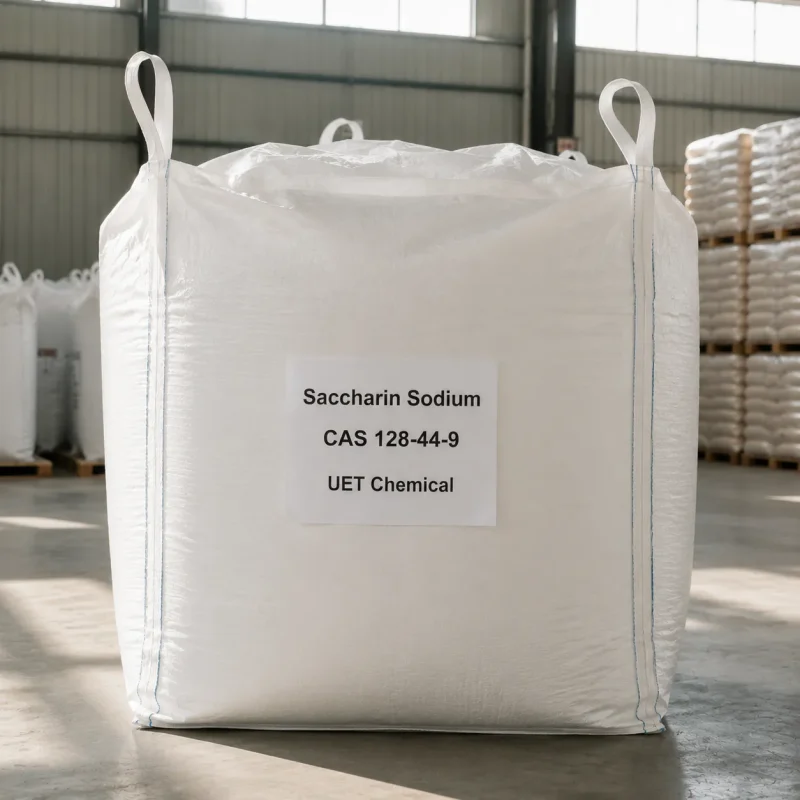
- Packaging: 25 kg multi-wall paper bag / 500 kg bulk bag. Custom packaging available upon request.
- Main Applications: Food & beverage sweeteners; pharmaceutical taste masking; acid copper electroplating brighteners; oral care products
Introduction to Saccharin Sodium
Saccharin Sodium is a white crystalline powder belonging to the sulfimide family, characterized by a fused benzene and isothiazole dioxide ring system neutralized by a sodium cation. This structure yields an intense sweetening power—300 to 500 times that of sucrose—while contributing zero calories. Formulators utilize it as a high-intensity sweetener in low-pH carbonated drinks, pharmaceutical suspensions, and as a primary brightening agent in acid copper electroplating baths.
The benzisothiazole ring grants exceptional thermal and chemical stability, surviving pasteurization and baking temperatures up to 150 °C without degrading into off-flavor compounds. One practical caution: at concentrations exceeding 0.05% in aqueous systems, the molecule triggers a distinct metallic or bitter aftertaste on the human palate. Formulators must blend it with bulk fillers or secondary high-intensity sweeteners to mask this sensory threshold, and strictly avoid prolonged boiling at pH levels below 2.0 to prevent hydrolytic cleavage of the sulfimide bond.
Key Features of Saccharin Sodium
- High-intensity non-nutritive profile. Delivers 300–500× sucrose sweetness without triggering insulin responses or promoting dental caries, making it ideal for diabetic and oral-care formulations.
- Extreme thermal resilience. The fused heterocyclic ring withstands standard UHT processing and baking environments (up to 150 °C) without losing sweetening potency or generating degradation byproducts.
- Synergistic blending capacity. Combines seamlessly with cyclamates or aspartame to suppress the inherent metallic aftertaste while multiplying the overall perceived sweetness index.
- Electrochemical brightening action. In acid copper sulfate baths, the sulfimide anion adsorbs onto cathode micro-peaks, suppressing localized deposition rates and producing a mirror-finish leveling effect on printed circuit boards (PCBs).
Saccharin Sodium Chemical & Physical Properties
| Property | Value |
|---|---|
| Molecular Formula | C₇H₄NNaO₃S |
| Molecular Weight | 205.17 g/mol |
| Melting Point | >300 °C (decomposes) |
| Density (solid) | ~1.60 g/cm³ |
| Solubility | Freely soluble in water (~1 g/1.5 mL); slightly soluble in ethanol |
| pH (10% aq. solution) | 6.0–8.0 |
| Loss on Drying | ≤15.0% (dihydrate) or ≤1.0% (anhydrous) |
| Arsenic (As) | ≤3 ppm |
| Heavy Metals (as Pb) | ≤10 ppm |
Applications of Saccharin Sodium
Carbonated and low-pH beverages: Dosed at 15–50 ppm. The sulfimide structure remains completely stable in phosphoric and citric acid environments (pH 2.5–3.5), providing persistent sweetness without the caloric load of high-fructose corn syrup.
Pharmaceutical syrups and chewable tablets: Used at 0.1–0.5% to mask the bitter alkaloid taste of active pharmaceutical ingredients (APIs) like acetaminophen or ibuprofen, improving patient compliance without interfering with drug stability.
Acid copper electroplating (PCB manufacturing): Added at 0.5–2.0 g/L as a primary brightener. The molecule adsorbs onto high-current-density areas of the cathode, inhibiting rapid copper deposition and forcing a smooth, leveled, mirror-bright finish.
Toothpaste and mouthwash: Formulated at 0.1–0.3%. Provides a clean, sweet taste to mask harsh surfactants (like SLS) and fluoride salts, while remaining completely non-cariogenic to prevent enamel decay.
Storage & Safety Precautions for Saccharin Sodium
Storage conditions. Store in sealed, moisture-barrier bags on pallets at 10–30 °C in a dry warehouse. Saccharin Sodium (especially the dihydrate form) is mildly hygroscopic. If warehouse relative humidity exceeds 70%, the powder absorbs moisture and cakes. Keep away from strong oxidizing agents.
Safety and PPE. GHS: Not classified as hazardous. Non-toxic and non-irritating. Wear a standard N95 dust mask and safety glasses during bag emptying to prevent inhalation of fine crystalline dust. Spills are non-toxic; sweep dry and wash the floor with water to remove slip hazards.
Transport classification. Non-DG. Not regulated under IMDG, IATA, or ADR. Ship as standard general food-grade or industrial cargo.
Practitioner note: When running incoming QC for clarity and color of solution, strictly use CO₂-free distilled water. Dissolving the powder in standard tap water introduces trace calcium and magnesium ions, which can form micro-precipitates with the sulfimide anion, causing a false “turbid” reading and unwarranted batch rejection.
Saccharin Sodium FAQ
Q: How do I eliminate the metallic aftertaste of Saccharin Sodium (CAS 128-44-9) in beverage formulations?
A: Blend it with other sweeteners. Saccharin triggers bitter taste receptors at high concentrations. A 10:1 ratio of Sodium Cyclamate to Saccharin Sodium completely masks the metallic note while exhibiting synergistic sweetness multiplication. Alternatively, add 0.01% citric acid or a trace amount of neohesperidin dihydrochalcone (NHDC) to block the bitter receptor pathways on the tongue.
Q: Will Saccharin Sodium degrade during high-temperature baking or UHT pasteurization?
A: No. The benzisothiazole dioxide ring is highly thermally stable up to 150 °C. It survives standard bakery oven temperatures and UHT processing without hydrolyzing. Degradation only occurs if the aqueous solution is boiled for extended periods at a highly acidic pH (below 2.0), which cleaves the sulfimide bond into sulfamoylbenzoic acid.
Q: What is the difference between Food Grade and Electroplating Grade?
A: Food Grade strictly limits heavy metals (Pb ≤10 ppm, As ≤3 ppm) and requires high aqueous clarity. Electroplating Grade tolerates higher trace metal impurities and focuses on precise adsorption kinetics for copper leveling. Never use Electroplating Grade in consumables, and avoid using Food Grade in high-precision PCB baths where trace organics might interfere with secondary levelers.
Related products
Manufacturer & Exporter Since 2006
Get Tailored Chemical Raw Material Solutions — Reply Within 1 Hour
Factory-direct pricing, stable high-purity supply and complete compliance documentation for your industrial formulations.
- 1000+Products
- 200+QC Protocols
- 7–15Days Delivery
- Factory-Direct Pricing
- COA / TDS / SDS Included
- Free Samples for Testing
- 40+ Export Countries
Request a Free Quote
Our engineers reply within 1 hour during GMT+8 business hours.
Please include in your inquiry:
- Product name or CAS number
- Required quantity
- Destination country or port
- Preferred packaging