
Caprylhydroxamic Acid CAS 7377-03-9
Caprylhydroxamic Acid (CHA) is a broad-spectrum antimicrobial and chelating agent that solves traditional preservative irritation, formulation incompatibility, and paraben-free compliance challenges in personal care manufacturing. Cosmetic formulators rely on it for leave-on creams, baby care products, and “preservative-free” claim systems. UETChem supplies this ingredient with strict control over purity, heavy metals, and color, ensuring exceptional skin mildness and robust microbial protection across diverse pH environments. Each shipment includes COA, TDS, SDS.
- CAS No: 7377-03-9
- Synonyms: CHA; N-Hydroxycaprylamide; Octanohydroxamic acid
- EINECS: 230-934-6
- Molecular Formula: C8H17NO2
- Molecular Weight: 159.23 g/mol
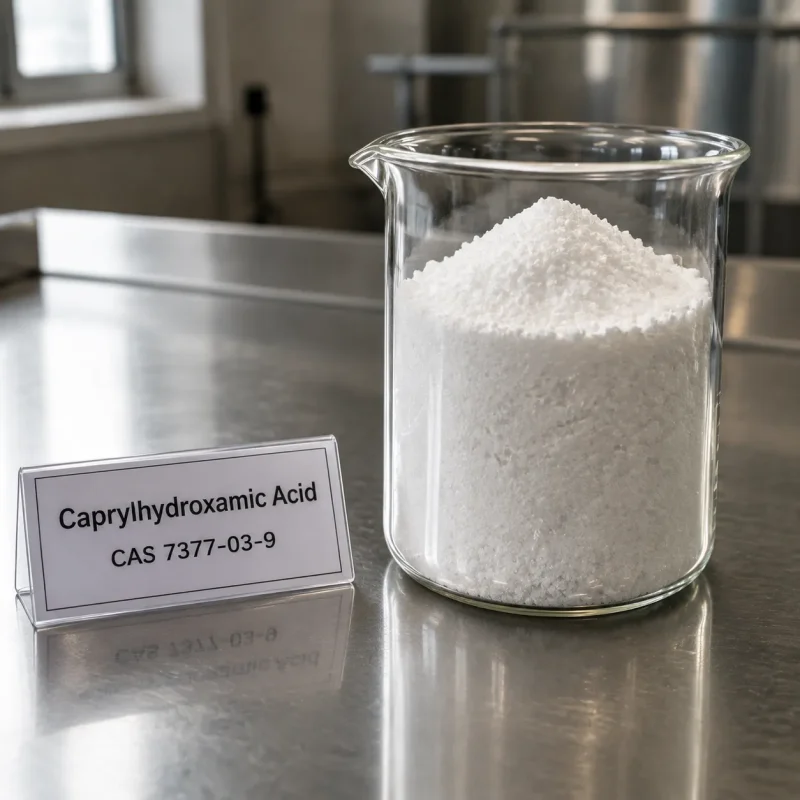
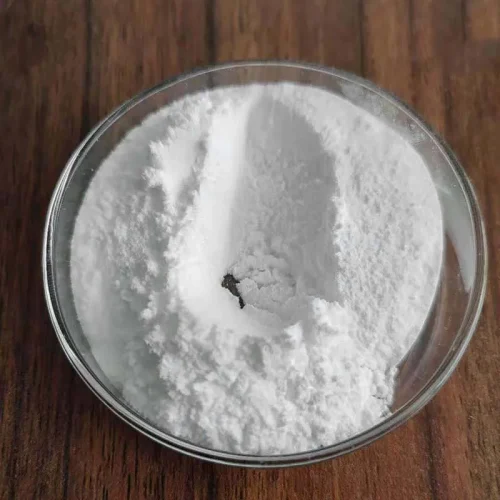
- Appearance: White to off-white crystalline powder
- Purity: 99.0% min
- Heavy Metals: 10 ppm max
- Loss on Drying: 0.5% max
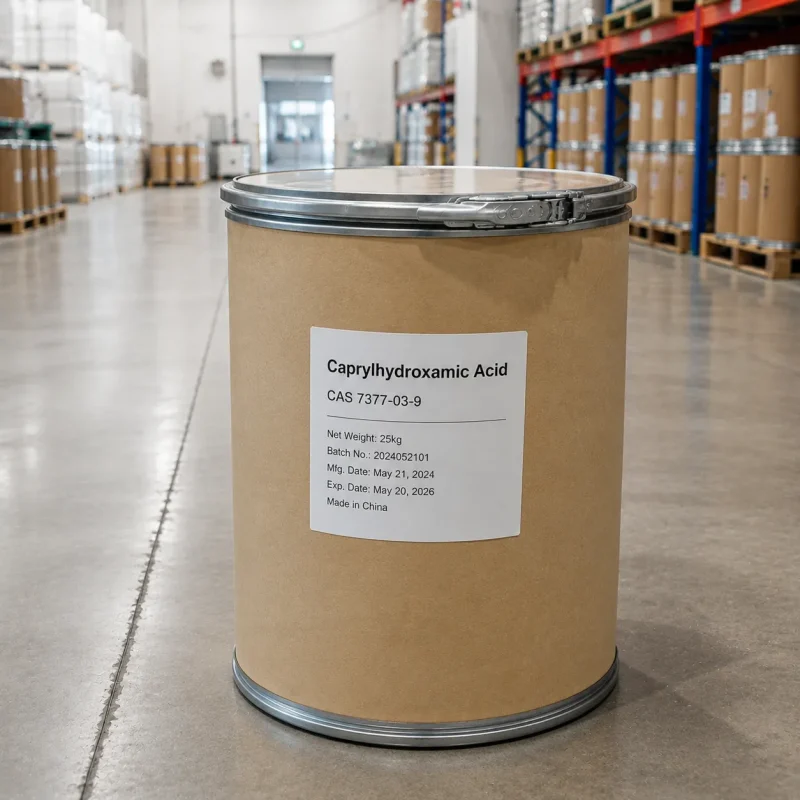
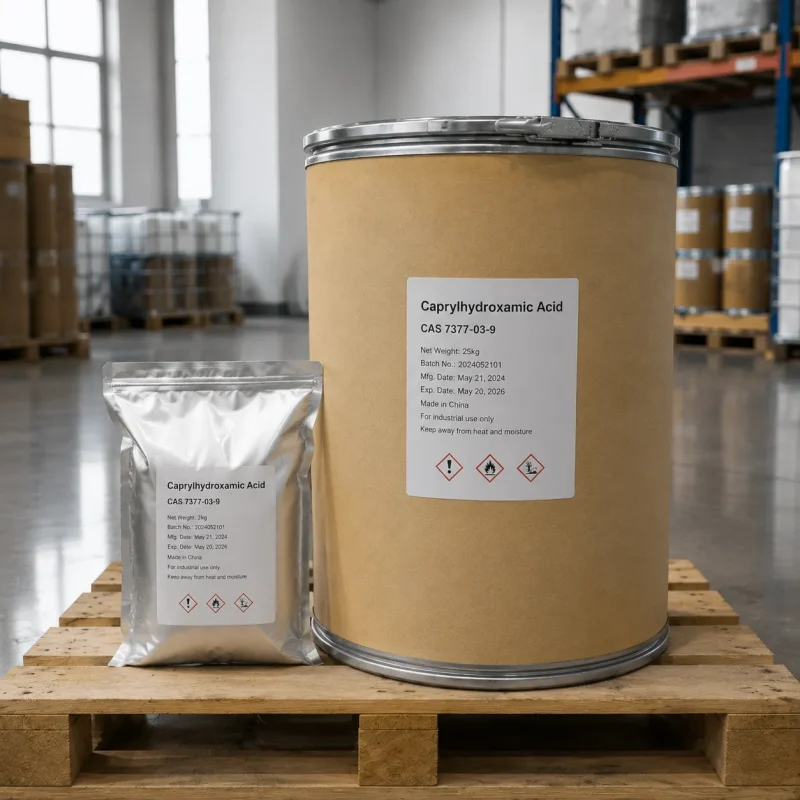
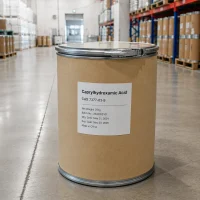
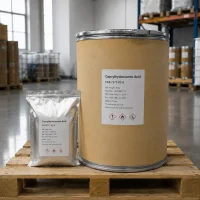
- Packaging: 25 kg (55 lb) fiber drum, 200 kg (441 lb) drum. Custom packaging available upon request.
- Main Applications: Cosmetic preservatives, chelating agents, baby care formulations, natural deodorants
Introduction to Caprylhydroxamic Acid
Caprylhydroxamic Acid is an organic derivative consisting of an eight-carbon aliphatic chain terminating in a hydroxamic acid functional group. The molecular architecture provides a unique dual-action mechanism. At room temperature, the compound presents as a white to off-white crystalline powder that dissolves readily in glycols, alcohols, and warm oil phases. Cosmetic laboratories consume this intermediate to replace traditional parabens and formaldehyde donors, building robust preservation networks that align with modern clean-beauty standards.
Key Features of CHA
- Ion chelation mechanism: The hydroxamic acid group strongly binds essential metal ions like iron, starving mold and yeast cells of nutrients required for cellular respiration.
- Broad pH stability: Maintains complete antimicrobial efficacy across a wide pH spectrum, eliminating the need for strict acidic formulation constraints.
- High skin tolerance: Exhibits extremely low irritation potential, making it suitable for delicate eye contour products and infant skincare routines.
CHA Chemical & Physical Properties
| Property | Value |
|---|---|
| Molecular Formula | C8H17NO2 |
| Molecular Weight | 159.23 g/mol |
| Appearance | White to off-white crystalline powder |
| Melting Point | 78 – 82 °C (172 – 180 °F) |
| Solubility | Soluble in glycols, alcohols, and warm oils |
| Purity | 99.0% min |
Applications of Caprylhydroxamic Acid
Leave-on cosmetic emulsions: Dosed at 0.05% – 0.2% in moisturizers, serums, and sunscreens. The powder is typically pre-dissolved in the heated oil phase or a glycol solvent before emulsification. This ensures uniform distribution throughout the water-in-oil or oil-in-water matrix, preventing localized microbial growth.
Baby care and sensitive skin products: Incorporated into diaper creams, gentle washes, and lotions. The mild nature of the hydroxamic acid derivative prevents stinging and contact dermatitis, providing a safe alternative to harsh biocides in pediatric formulations.
Natural deodorants and antiperspirants: Functions as both a preservative and an odor-control agent. The molecule neutralizes alkaline sweat components and inhibits the proliferation of odor-causing bacteria on the skin surface.
Storage & Safety Precautions for CHA
- Temperature and moisture control: Store in tightly sealed fiber drums below 25 °C (77 °F) in a dry warehouse. The crystalline powder is slightly hygroscopic; moisture ingress causes caking and complicates automated weighing processes.
- Handling and PPE: The fine dust is a mild respiratory irritant. Wear N95 respirators, safety goggles, and nitrile gloves during dry blending and reactor charging operations.
- Field note: When formulating clear aqueous gels, pre-dissolve the CHA powder completely in propylene glycol or warm water. Adding raw powder directly to a cold, high-viscosity gel base creates stubborn white specks that require extended milling to disperse.
CHA FAQ
Q: How does Caprylhydroxamic Acid (CHA) function as a preservative?
A: Caprylhydroxamic Acid (CHA) acts as a potent chelator that deprives microorganisms of essential metal ions like iron. This mechanism disrupts the cellular metabolism of mold and yeast, providing broad-spectrum preservation in personal care formulations without relying on traditional parabens.
Q: Is Caprylhydroxamic Acid (CHA) safe for sensitive skin cosmetics?
A: Caprylhydroxamic Acid (CHA) is widely recognized for its exceptional mildness and low irritation potential. Formulators incorporate it into leave-on creams and baby care products as a gentle alternative to harsh synthetic preservatives, ensuring excellent skin compatibility and safety.
Q: What is the optimal pH range for Caprylhydroxamic Acid (CHA) efficacy?
A: Caprylhydroxamic Acid (CHA) maintains optimal antimicrobial and chelating efficacy across a broad pH range, typically between 4.0 and 8.0. This stability allows cosmetic chemists to formulate diverse emulsions, serums, and surfactant systems without compromising the preservation network.
Related products
Manufacturer & Exporter Since 2006
Get Tailored Chemical Raw Material Solutions — Reply Within 1 Hour
Factory-direct pricing, stable high-purity supply and complete compliance documentation for your industrial formulations.
- 1000+Products
- 200+QC Protocols
- 7–15Days Delivery
- Factory-Direct Pricing
- COA / TDS / SDS Included
- Free Samples for Testing
- 40+ Export Countries
Request a Free Quote
Our engineers reply within 1 hour during GMT+8 business hours.
Please include in your inquiry:
- Product name or CAS number
- Required quantity
- Destination country or port
- Preferred packaging