
Cocamide MIPA CAS 68333-82-4
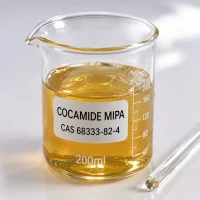
Cocamide MIPA is a naturally derived, coconut-oil-based monoethanolamide supplied as a pale yellow waxy solid or highly viscous liquid. As a nonionic surfactant, foam booster, and viscosity builder, it provides exceptional thickening and foam stabilization in surfactant systems while maintaining mild skin compatibility. Core uses include personal care formulations, industrial degreasers, textile auxiliaries, and metal cleaning compounds. Each shipment includes COA, TDS, and SDS.
- CAS No: 68333-82-4
- Synonyms: Coconut fatty acid monoethanolamide, Comperlan KD, CMEA, 1-(2-Hydroxyethylamino)carbonyl coconut oil
- EC Number: 269-789-9
- Chemical Nature: Mixture of C8–C18 fatty acid monoethanolamides derived from coconut oil
- Active Matter: ≥ 90.0%
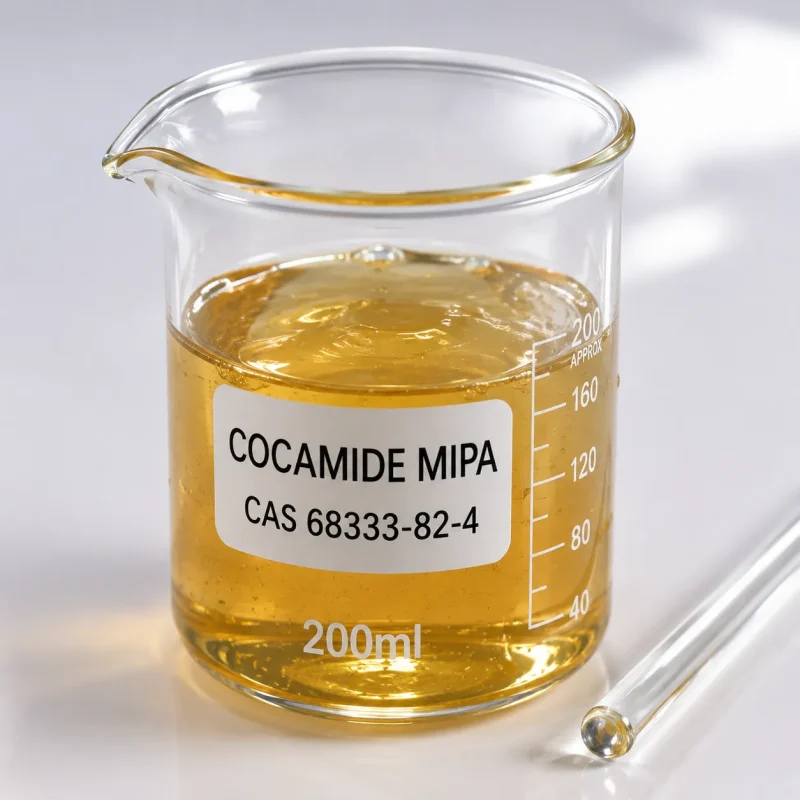
- Appearance: Pale yellow to yellow waxy solid or semi-solid paste
- Drop Point: 28 °C – 40 °C (82 °F – 104 °F)
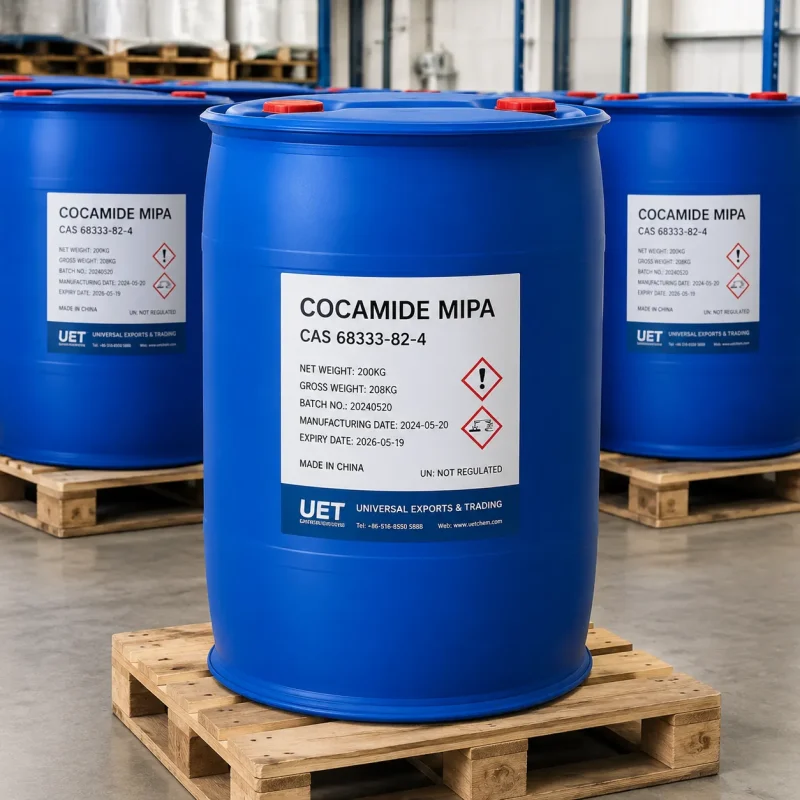
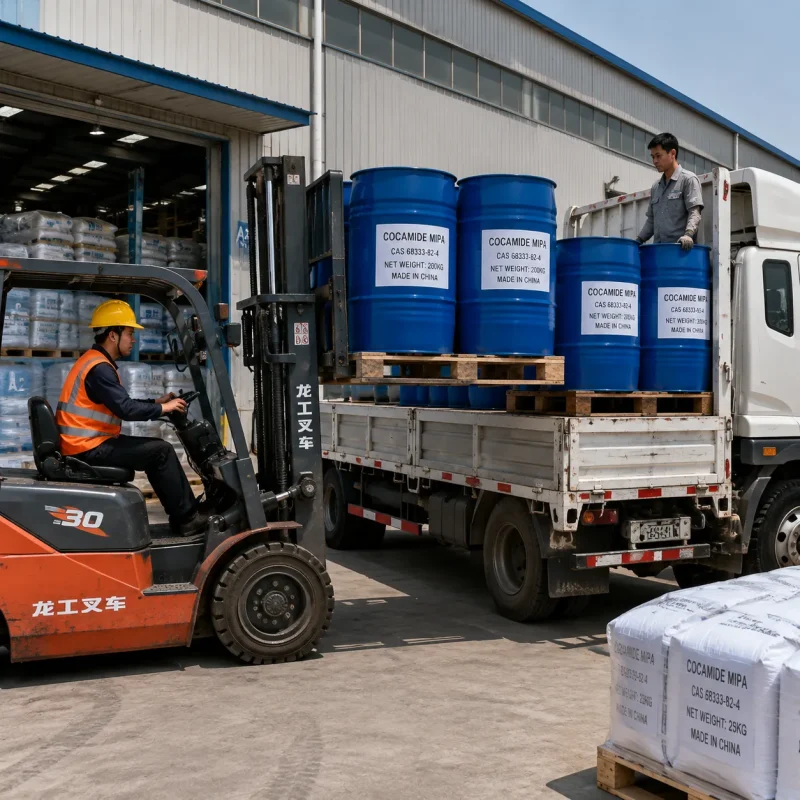
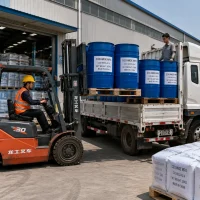
- Packaging: 25 kg (55 lb) HDPE drum; 50 kg (110 lb) HDPE drum; 200 kg (440 lb) HDPE or steel drum. Custom packaging available upon request.
- Main Applications: Shampoo/body wash thickening & foam boosting, industrial degreasers, textile softeners, metal cleaning compounds
Introduction to Cocamide MIPA
Cocamide MIPA (Coconut Monoisopropanolamide is incorrect — this is Monoethanolamide) is produced by the direct condensation reaction of coconut oil fatty acids with monoethanolamine (MEA). The resulting product is a complex mixture of C8–C18 fatty acid monoethanolamides, predominantly lauric (C12) and myristic (C14) acid amides. Unlike Cocamide DEA, MIPA uses monoethanolamine instead of diethanolamine, eliminating concerns related to residual diethanolamine (DEA) and nitrosamine formation.
In surfactant chemistry, Cocamide MIPA serves as a multifunctional additive: it increases viscosity of anionic surfactant systems (SLES, SLS, sulfonates), stabilizes foam by reducing liquid drainage from lamella films, and improves foam density and creaminess. Its natural coconut-oil origin and ready biodegradability make it a preferred ingredient in eco-conscious personal care and household cleaning formulations. Store in sealed HDPE drums below 40 °C (104 °F); the product solidifies below 25 °C (77 °F) and must be gently warmed to 50–60 °C (122–140 °F) before metering or pumping.
Key Features of Cocamide MIPA
- Powerful viscosity builder without synthetic polymers. Increases viscosity of SLES/SLS-based shampoos and body washes by 3–8× at 1–5% addition, eliminating the need for carbomers or PEG-based thickeners.
- Superior foam stabilization and density. Reduces liquid drainage from foam lamellae, producing dense, creamy, long-lasting foam in cleansing formulations even in hard water conditions.
- DEA-free and nitrosamine-safe. Unlike Cocamide DEA, MIPA contains no diethanolamine residues, fully compliant with EU Cosmetics Regulation (EC) 1223/2009, California Proposition 65, and restricted-substance lists.
- Mild skin and eye compatibility. Coconut-oil-derived amides reduce the irritation potential of anionic surfactants by forming mixed micelles that lower free-monomer concentration in solution.
- Excellent emulsification and anti-redeposition. Stabilizes oil-in-water emulsions in industrial cleaning and prevents re-deposition of removed soils onto surfaces during rinsing cycles.
- Readily biodegradable. Primary amide bond hydrolysis yields fatty acids and ethanolamine, both of which are rapidly metabolized by aerobic microorganisms, meeting OECD 301B criteria.
Cocamide MIPA Chemical & Physical Properties
| Property | Value |
|---|---|
| Chemical Nature | Mixture of coconut fatty acid (C8–C18) monoethanolamides |
| Typical Fatty Acid Profile | C12: ~48%; C14: ~19%; C8/C10: ~14%; C16/C18: ~19% |
| Drop Point | 28 °C – 40 °C (82 °F – 104 °F) |
| Active Matter | ≥ 90.0% |
| Free Monoethanolamine | ≤ 5.0% |
| Amine Value | ≤ 10 mg KOH/g |
| Acid Value | ≤ 5 mg KOH/g |
| Water Content | ≤ 0.5% |
| pH (1% aqueous solution) | 8.5 – 10.5 |
| Solubility | Dispersible in water above 40 °C (104 °F); soluble in anionic surfactant solutions; insoluble in cold water. |
| Color (Gardner) | ≤ 7 |
Applications of Cocamide MIPA
Personal care (shampoos, body washes, liquid soaps): Add 1–5% to the oil phase or melt at 50–60 °C (122–140 °F) before blending into SLES/SLS or sulfonate surfactant systems. Provides viscosity enhancement (2,000–10,000 cP typical), creamy foam texture, and reduced skin irritation. Compatible with betaines, glucosides, and anionic/amphoteric surfactant blends.
Industrial and institutional cleaning: Used at 3–10% in alkaline degreasers, engine cleaners, and floor scrubbing formulations. Stabilizes foam at elevated temperatures (up to 60 °C / 140 °F), emulsifies hydrocarbon and mineral oils, and provides soil suspension for easy rinse-off.
Textile processing auxiliaries: Incorporated at 2–8% in softening and antistatic finishing baths. Imparts smooth hand-feel to cotton and synthetic fibers, reduces static buildup, and improves yarn lubrication during high-speed knitting or weaving operations.
Metalworking and corrosion protection: Blended into rust-preventative oils and water-soluble cutting fluids at 1–5%. Acts as an emulsifier for mineral oil in water-based coolants and enhances the wetting and spreading of protective films on ferrous surfaces.
Storage & Safety Precautions for Cocamide MIPA
- Storage: Store in tightly sealed HDPE drums in a dry, ventilated warehouse at 10–40 °C (50–104 °F). The product solidifies below 25 °C (77 °F) — this is normal and does not affect quality. Before use, warm drums in a controlled heating room or water bath to 50–60 °C (122–140 °F) and mix until homogeneous. Protect from strong acids and oxidizing agents. Shelf life is 24 months when stored properly.
- Safety: Mild eye irritant (GHS Category 2B). Avoid contact with eyes; wear safety glasses and rubber gloves during drum handling and transfer. In case of eye contact, flush with water for 15 minutes. Heated product (above 50 °C / 122 °F) can cause thermal burns — use heat-resistant gloves when decanting molten material.
- Transport: Cocamide MIPA is Non-DG under IATA/IMDG/ADR. No UN number, no packing group. Ship in standard dry containers. In cold-climate destinations (below 10 °C / 50 °F), the product will arrive as a solid block — instruct consignees to warm before use. Prevent drum leakage by ensuring bungs are tightened to 40–50 N·m torque.
- QC note: Verify active matter (≥ 90%), free MEA (≤ 5%), and drop point (28–40 °C) upon receipt. A strong ammonia-like odor indicates excessive free amine — reject the lot. Confirm the material forms a clear, homogeneous melt at 55 °C (131 °F) with no visible separation or particulates.
Cocamide MIPA FAQ
Q: What is the difference between Cocamide MIPA and Cocamide DEA?
A: Cocamide DEA is made from diethanolamine (DEA) and carries regulatory concerns regarding residual DEA and nitrosamine formation (banned in California Prop 65, restricted in EU). Cocamide MIPA uses monoethanolamine (MEA) instead, is DEA-free, and has no nitrosamine risk. Both provide similar thickening and foam-boosting performance, but MIPA is the globally preferred, regulatory-safe alternative.
Q: My Cocamide MIPA arrived as a hard solid block. Is it damaged?
A: No. Cocamide MIPA has a melting point of 28–40 °C (82–104 °F). During ocean freight or winter transport, it naturally solidifies. Gently warm the drum in a heating room at 50–60 °C (122–140 °F) for 4–6 hours until fully molten, then mix thoroughly. The product will perform identically to its liquid form.
Q: Why is my shampoo viscosity dropping when I add salt (NaCl)?
A: Cocamide MIPA thickens via hydrogen bonding with anionic surfactant micelles. Excess NaCl (above the optimum salt curve) screens electrostatic repulsion, collapsing micelles and reducing viscosity. If your formulation requires high salt levels (e.g., for pearlizing), reduce Cocamide MIPA to 1–2% and supplement with a salt-tolerant thickener like PEG-150 distearate or xanthan gum.
Related products
Manufacturer & Exporter Since 2006
Get Tailored Chemical Raw Material Solutions — Reply Within 1 Hour
Factory-direct pricing, stable high-purity supply and complete compliance documentation for your industrial formulations.
- 1000+Products
- 200+QC Protocols
- 7–15Days Delivery
- Factory-Direct Pricing
- COA / TDS / SDS Included
- Free Samples for Testing
- 40+ Export Countries
Request a Free Quote
Our engineers reply within 1 hour during GMT+8 business hours.
Please include in your inquiry:
- Product name or CAS number
- Required quantity
- Destination country or port
- Preferred packaging