
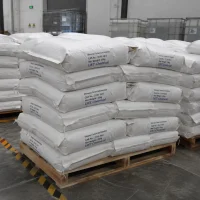
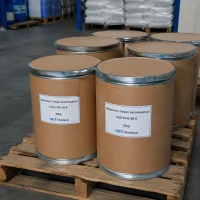
Dibenzoyl-L-Tartaric Acid Anhydrous CAS 2743-38-6
Dibenzoyl-L-Tartaric Acid Anhydrous is a high-purity chiral resolving agent with an anhydrous crystal lattice. It eliminates stoichiometric drift and enantiomeric excess collapse in chiral resolution of racemic amines and API intermediates. UETChem supplies anhydrous DBTA with strict Karl Fischer moisture control and vacuum-foil packaging, guaranteeing fixed molecular weight for precise molar dosing in GMP manufacturing. Each shipment includes COA, TDS, SDS.
- CAS No: 2743-38-6
- Synonyms: Anhydrous DBTA; L-(-)-Dibenzoyl tartaric acid
- EINECS: 220-379-0
- Molecular Formula: C₁₈H₁₄O₈
- Molecular Weight: 358.30 g/mol
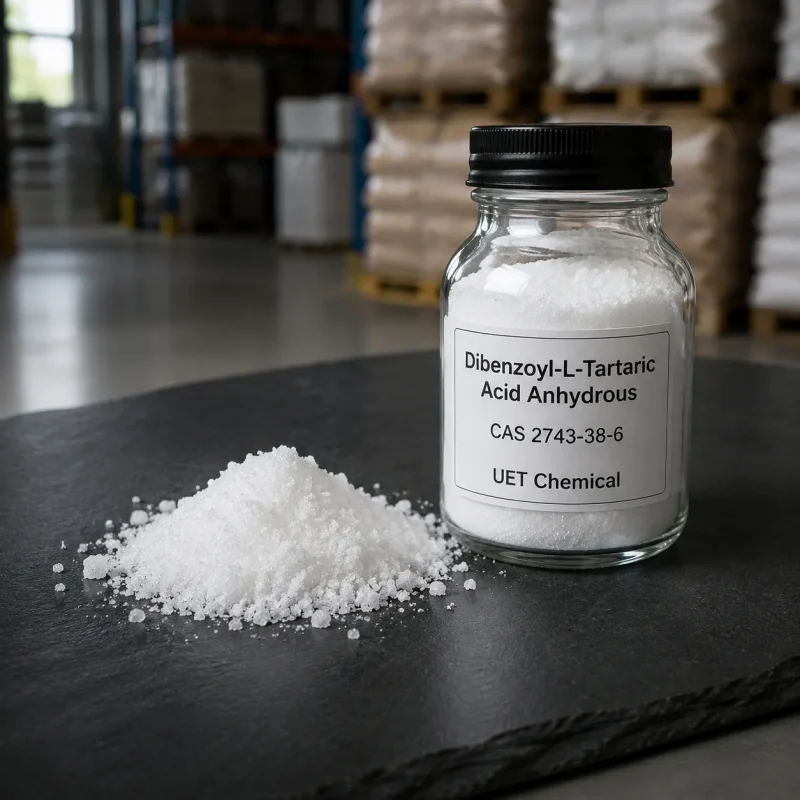
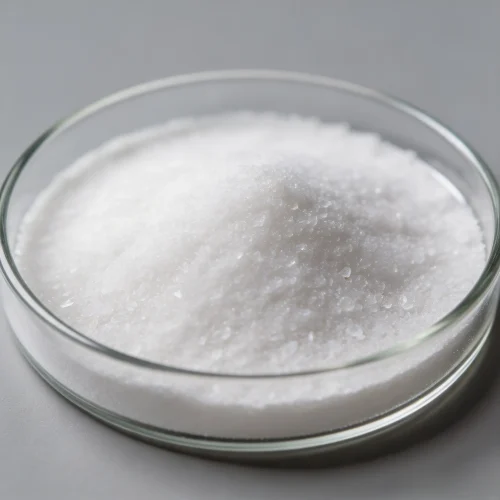
- Appearance: White to off-white crystalline powder
- Assay (HPLC): 99.0% min
- Specific Rotation: -118° to -128° (c=1, Ethanol)
- Moisture (Karl Fischer): 0.5% max
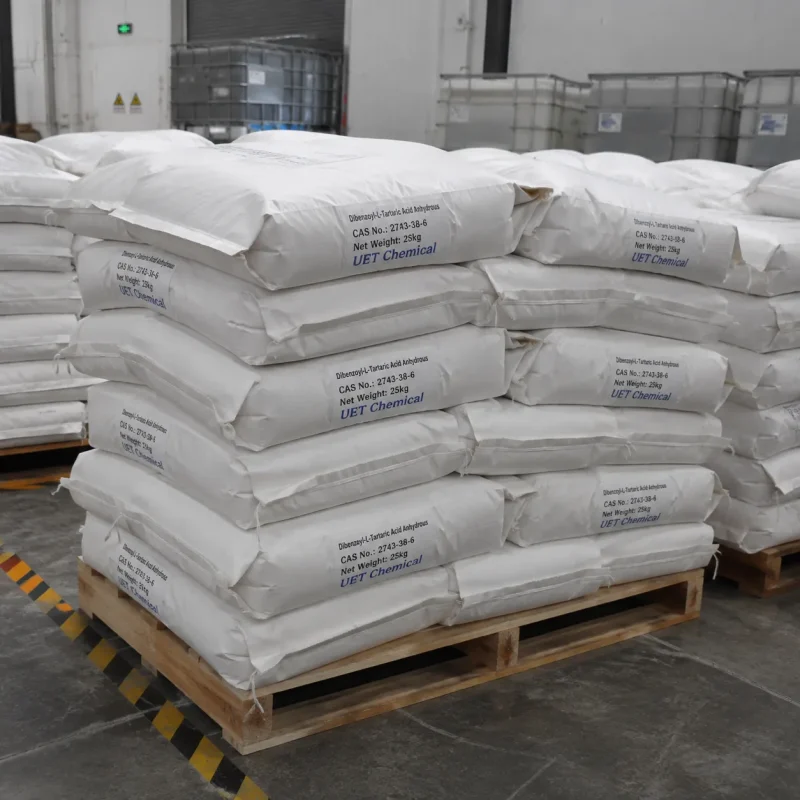
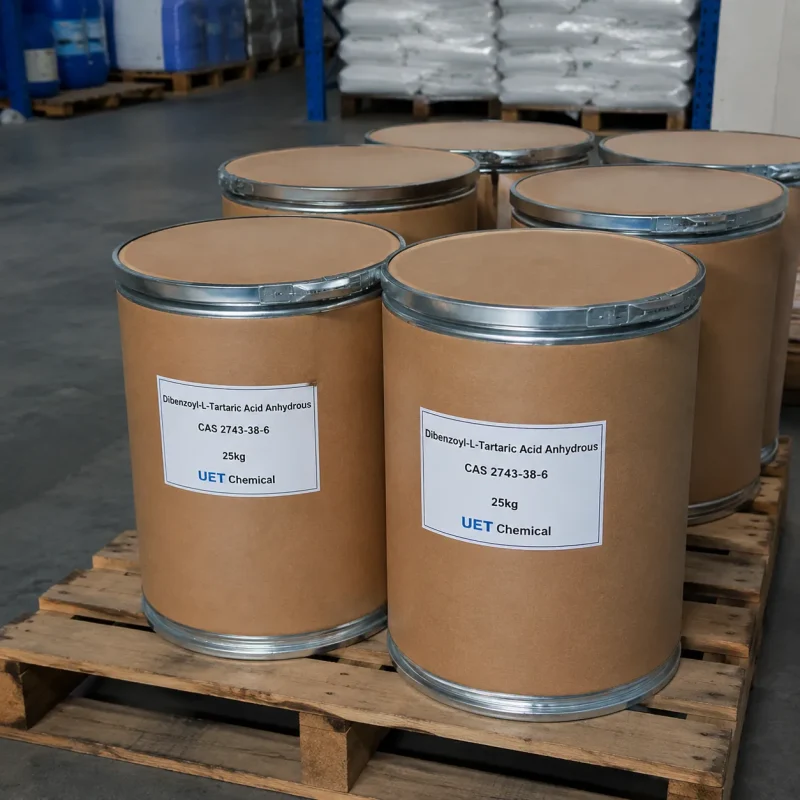
- Packaging: 25 kg fiber drum with vacuum-sealed foil liner. Custom packaging available upon request.
- Main Applications: Chiral amine resolution, API synthesis, optical purity analysis
Introduction to Dibenzoyl-L-Tartaric Acid Anhydrous
Dibenzoyl-L-Tartaric Acid Anhydrous is built on an L-tartaric acid backbone esterified with two benzoyl groups, with zero coordinated water molecules in its crystal lattice. This anhydrous structure elevates melting point and alters solubility kinetics in organic media. It appears as a free-flowing white crystalline powder at room temperature, soluble in hot ethanol and ethyl acetate and insoluble in cold water.
Process chemists leverage its distinct solubility gap between hot and cold alcoholic solvents to drive fractional crystallization of diastereomeric salts. The anhydrous form ensures fixed molecular weight, avoiding stoichiometric deviation and ee value loss caused by variable hydration in standard grades.
Dibenzoyl-L-Tartaric Acid Anhydrous Chemical & Physical Properties
| Property | Value |
|---|---|
| Molecular Formula | C₁₈H₁₄O₈ |
| Molecular Weight | 358.30 g/mol |
| Appearance | White to off-white crystalline powder |
| Melting Point | 140 – 144 °C |
| Specific Rotation | -118° to -128° (c=1, Ethanol) |
| Solubility | Soluble in hot ethanol / ethyl acetate; insoluble in cold water |
| Assay (HPLC) | 99.0% min |
| Moisture | 0.5% max |
Applications of Dibenzoyl-L-Tartaric Acid Anhydrous
Racemic amine resolution: The steric bulk of benzoyl groups separates matched and mismatched diastereomeric salts into distinct crystal lattices. Dissolved in hot anhydrous ethanol and mixed with racemic amines at strict 1:1 molar ratio, slow cooling nucleates the target enantiomer salt as clean prisms, leaving the unwanted isomer in mother liquor.
Mother liquor recovery: Filtrate retains excess resolving agent and unwanted enantiomer. pH adjustment with dilute acid or alkali liberates free amine, which is extracted with ethyl acetate. Recovered DBTA is recrystallized from ethanol/water mixture for reuse in subsequent resolution cycles.
Optical purity analysis: Used as a chiral derivatizing agent for determining enantiomeric purity of amine intermediates and API compounds via HPLC and polarimetric methods.
Storage & Safety Precautions for Dibenzoyl-L-Tartaric Acid Anhydrous
- Store drums sealed in a climate-controlled warehouse below 25 °C with relative humidity under 40%. The material is highly hygroscopic and converts to monohydrate form on air exposure, causing surface tackiness and molecular weight shift.
- Weigh material inside a dry-box or glovebag. Prolonged open-air weighing introduces enough moisture to shift effective molecular weight and ruin stoichiometric calculations for large API batches.
- Wear N95 respirators, sealed safety goggles and nitrile gloves when handling powder. Fine dust causes mechanical irritation to cornea and respiratory tract. Avoid prolonged dust exposure.
Dibenzoyl-L-Tartaric Acid Anhydrous FAQ
Q: Why select anhydrous DBTA for API manufacturing?
A: It carries zero lattice water for a fixed 358.30 g/mol molecular weight, preventing stoichiometric drift and ee collapse caused by variable moisture uptake in GMP production.
Q: How should anhydrous DBTA be stored on site?
A: Store sealed below 25 °C and under 40% RH. Weigh inside a dry-box to prevent moisture uptake and preserve anhydrous integrity.
Q: Which solvent system works best for anhydrous DBTA resolution?
A: Hot anhydrous ethanol or ethyl acetate dissolves it cleanly. Slow cooling at 0.3–0.5 °C/min yields sharp diastereomeric salt crystals; exclude water to prevent precipitation and filter blinding.
Related products
Manufacturer & Exporter Since 2006
Get Tailored Chemical Raw Material Solutions — Reply Within 1 Hour
Factory-direct pricing, stable high-purity supply and complete compliance documentation for your industrial formulations.
- 1000+Products
- 200+QC Protocols
- 7–15Days Delivery
- Factory-Direct Pricing
- COA / TDS / SDS Included
- Free Samples for Testing
- 40+ Export Countries
Request a Free Quote
Our engineers reply within 1 hour during GMT+8 business hours.
Please include in your inquiry:
- Product name or CAS number
- Required quantity
- Destination country or port
- Preferred packaging