


Palmitoylethanolamide Introduction
Palmitoylethanolamide (PEA, CAS 544-31-0) is an endogenous fatty acid amide naturally produced in the human body from palmitic acid and ethanolamine. It belongs to the class of N-acylethanolamines and functions as a PPAR-α (peroxisome proliferator-activated receptor alpha) agonist, modulating inflammatory and pain pathways at the cellular level. First identified in the 1950s and extensively studied since the 1990s—following Nobel laureate Rita Levi-Montalcini’s research on mast cell regulation—PEA has accumulated over 700 published scientific papers supporting its biological activity.
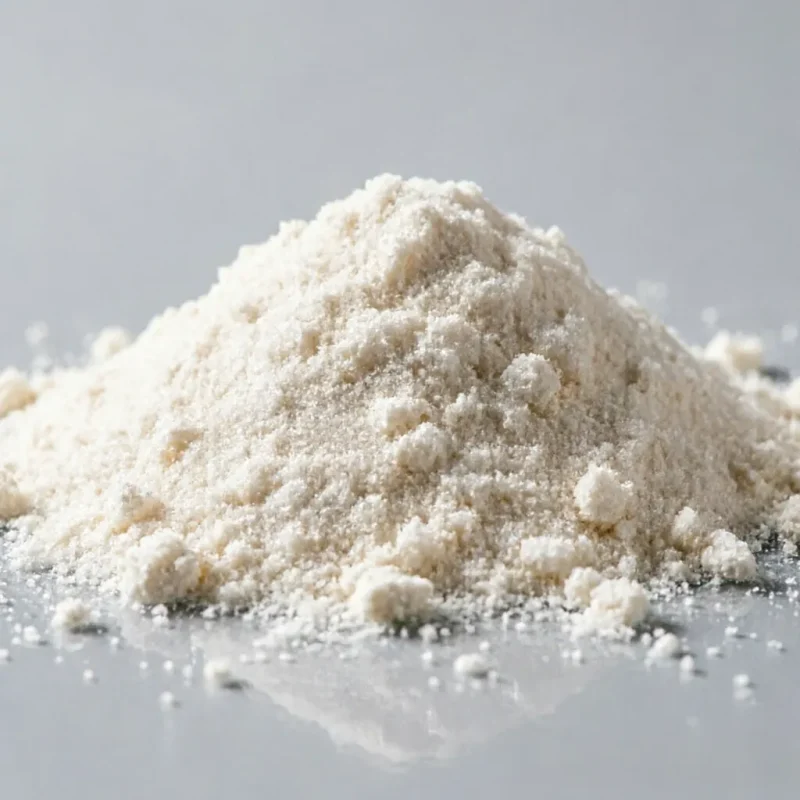
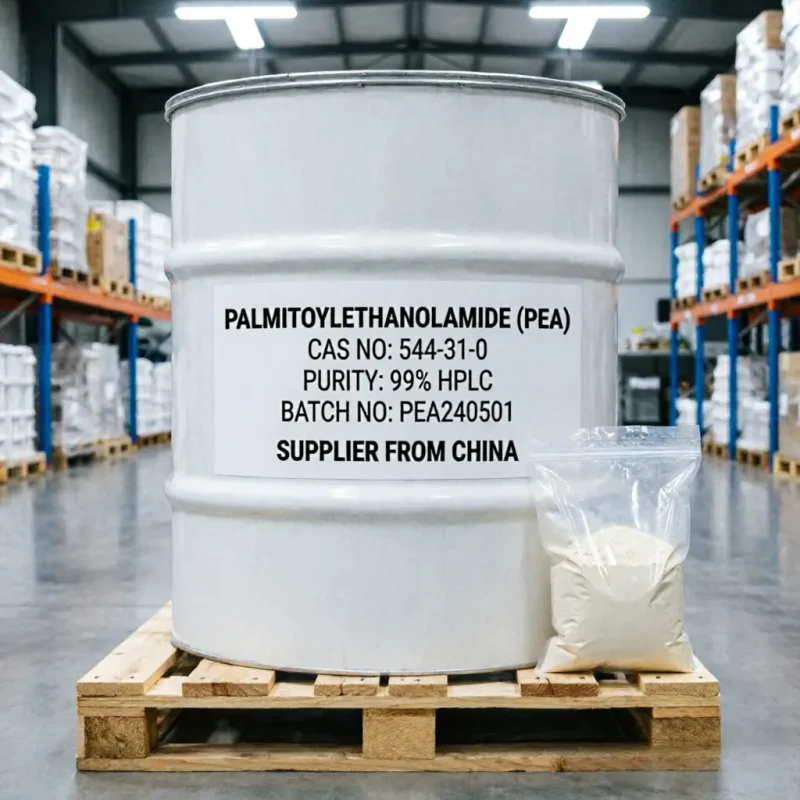
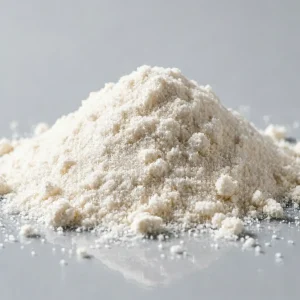
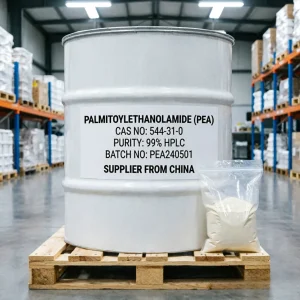
As a raw material, PEA is a white crystalline powder with a melting point of 97–98°C and a molecular weight of 299.49. It is practically insoluble in water (~4 mg/L), which presents a formulation challenge addressed through micronization or lipid-based delivery systems. UET Chemical supplies PEA at ≥99.0% HPLC purity in both standard and micronized forms, manufactured under GMP conditions with full batch traceability. Each shipment includes COA, HPLC chromatogram, SDS, and regulatory documentation.
Chemical Information
| Item | Details |
|---|---|
| CAS No. | 544-31-0 |
| EINECS No. | 208-867-9 |
| MDL No. | MFCD00020562 |
| IUPAC Name | N-(2-Hydroxyethyl)hexadecanamide |
| Synonyms | Palmidrol; Palmitoyl Ethanolamide; N-Palmitoylethanolamine; AM 3112 |
| Molecular Formula | C₁₈H₃₇NO₂ |
| Molecular Weight | 299.49 |
| Melting Point | 97–98°C |
| LogP | 3.99 |
| Chemical Class | N-Acylethanolamine (fatty acid amide) |
| Mechanism | PPAR-α agonist; ALIAmide |
| Natural Occurrence | Egg yolk, peanuts, soybeans, tomatoes, human breast milk |
Palmitoylethanolamide Specifications
| Test Item | Specification |
|---|---|
| Appearance | White to off-white crystalline powder |
| Assay (HPLC) | ≥99.0% |
| Melting Point | 96–99°C |
| Loss on Drying | ≤0.5% |
| Residue on Ignition | ≤0.1% |
| Heavy Metals (as Pb) | ≤10 ppm |
| Total Plate Count | ≤1,000 CFU/g |
| E. coli / Salmonella | Absent |
| Particle Size (micronized) | D90 < 10 µm |
Palmitoylethanolamide Applications
| Application | Typical Dosage | Function |
|---|---|---|
| Dietary Supplements | 300–1,200 mg/day | Anti-inflammatory, chronic pain support, neuroprotection |
| Pharmaceutical Intermediates | As per formulation | PPAR-α agonist; ALIAmide drug development |
| Functional Foods | Per regulatory limits | Immune modulation, joint comfort |
| Topical / Cosmetic | 0.5%–2.0% | Anti-inflammatory, skin barrier repair |
Key Advantages
- Endogenous safety profile — Naturally produced in the human body and found in common foods. No serious adverse effects reported in clinical studies at doses up to 1,200 mg/day over 3 months.
- Multi-target mechanism — PPAR-α agonist and ALIAmide; downregulates mast cell activation, reduces pro-inflammatory cytokines (TNF-α, IL-1β, IL-6), modulates glial cell activity.
- Non-addictive, non-psychoactive — Does not bind CB1/CB2 receptors. No dependency risk. Suitable for long-term use.
- Micronized option — Standard PEA has poor water solubility (~4 mg/L). Micronized grade (D90 < 10 µm) significantly improves dissolution and oral absorption.
Palmitoylethanolamide Storage and Stability
| Item | Guideline |
|---|---|
| Shelf Life | 24 months (unopened, from manufacture date) |
| Temperature | Below 25°C; avoid freezing |
| Humidity | RH < 60%; keep sealed |
| Light | Protect from direct sunlight |
Stability notes:
- The amide bond is resistant to hydrolysis at neutral pH. Stable for ≥24 months in solid dosage forms at room temperature.
Avoid prolonged exposure above 60°C during processing. - For topical formulations, incorporate in the oil phase at 70–75°C (LogP 3.99, lipophilic).
- Compatible with common excipients: MCC, magnesium stearate, SiO₂, HPMC capsules
Palmitoylethanolamide Usage Guide
Step 1 – Select grade: For oral supplements, micronized PEA (D90 < 10 µm) is strongly recommended. For topical use, standard powder is acceptable.
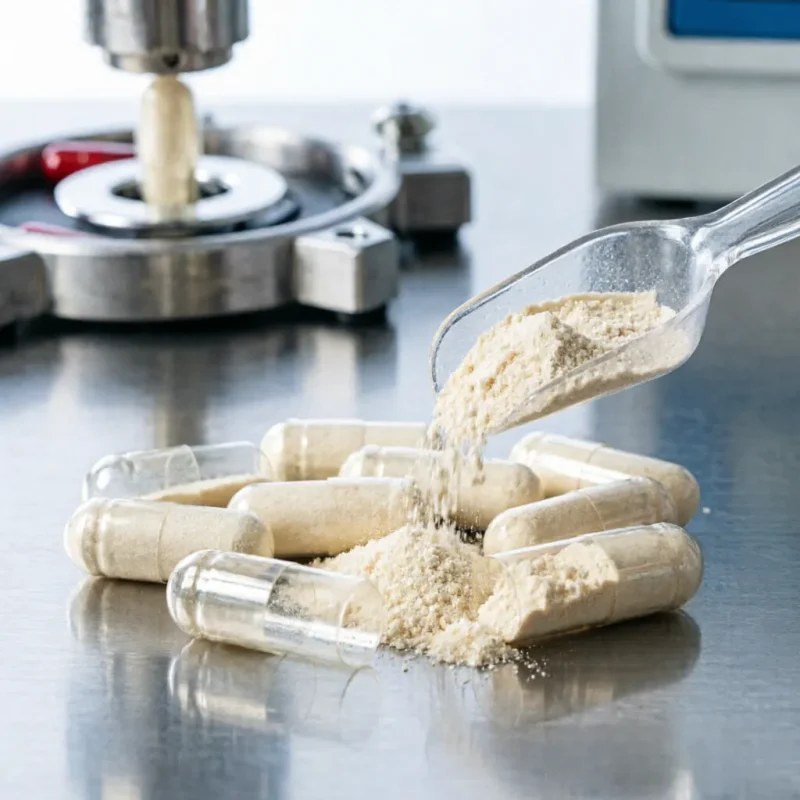
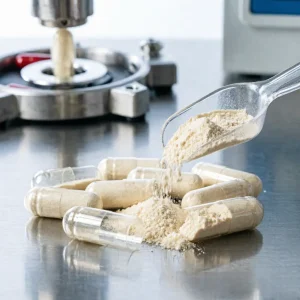
Step 2 – Oral formulation: Blend micronized PEA with flow agents (colloidal SiO₂ 0.5–1.0%) and lubricants (Mg stearate 0.5–1.0%). Fill into HPMC or gelatin capsules at 300–600 mg per capsule.
Step 3 – Topical formulation: Dissolve PEA in the oil phase at 70–75°C (e.g., MCT oil, squalane, jojoba oil). Emulsify with aqueous phase under homogenization. Cool with gentle stirring.
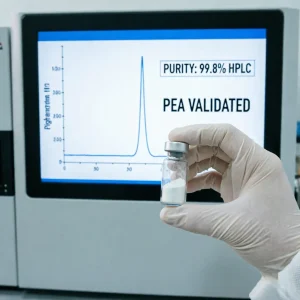
Step 4 – QC verification: Assay by HPLC (C18 column, UV 210 nm or ELSD). Confirm particle size by laser diffraction for micronized grade.
Compatibility
| ✅ Compatible | ⚠️ Caution | ❌ Incompatible |
|---|---|---|
| MCC, HPMC, Mg stearate, SiO₂, MCT oil, squalane, tocopherols | Strong acids (pH < 2, prolonged), strong oxidizers | Concentrated mineral acids, strong alkalis (pH > 12) |
Why Source Palmitoylethanolamide from UET Chemical
| Advantage | Details |
|---|---|
| GMP Manufacturing | ISO 22716 / GMP-certified facility; dedicated synthesis and micronization lines |
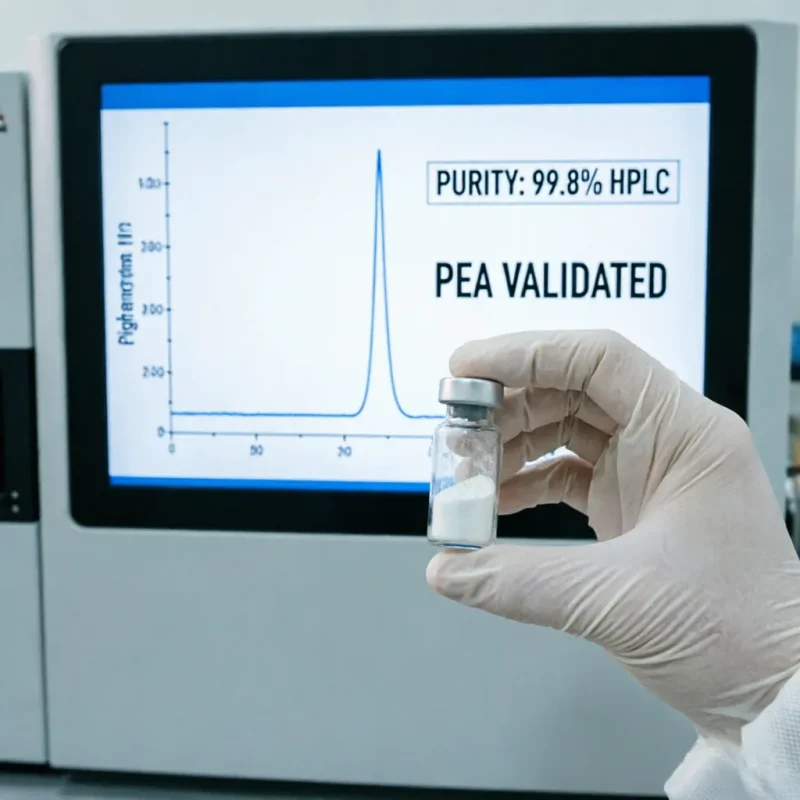
| 99% HPLC Purity | In-house HPLC testing; chromatogram included with every COA |
| Micronization Capability | In-house jet milling; D90 < 10 µm verified by laser diffraction |
| Full Documentation | COA, HPLC chromatogram, TDS, SDS, allergen & GMO-free statements |
| Batch Consistency | <2% assay variation between batches |
| Flexible MOQ | 1 kg sample; 25 kg bulk; custom specs on request |
| Regulatory Support | Documentation for FDA, EU, and ASEAN supplement registration |
| Fast Response | Inquiry answered within 12 hours; sample ships in 1–3 days |
Palmitoylethanolamide FAQ
Q1: What is the difference between standard PEA and micronized PEA?
Standard PEA has a particle size of 50–200 µm and poor oral bioavailability due to low water solubility (~4 mg/L). Micronized PEA (D90 < 10 µm) has a significantly larger surface area, improving dissolution rate and intestinal absorption. For oral supplement formulations, micronized grade is strongly recommended.
Q2: Is PEA safe for long-term use?
PEA is an endogenous compound naturally produced in the human body and present in common foods. Clinical studies have reported no serious adverse effects at doses up to 1,200 mg/day for 3 months. It is non-addictive and non-psychoactive. Buyers should verify regulatory status in their target market before launch.
Q3: What is the mechanism of action?
PEA acts primarily as a PPAR-α agonist and an ALIAmide (autacoid local injury antagonist). It downregulates mast cell degranulation, reduces pro-inflammatory cytokine release (TNF-α, IL-1β, IL-6), and modulates glial cell activation. It does not directly bind CB1/CB2 cannabinoid receptors.
Q4: What purity and testing methods do you use?
Our PEA is ≥99.0% by HPLC (C18 column, UV/ELSD detection). Each batch is also tested for melting point, loss on drying, residue on ignition, heavy metals (ICP-MS), and microbial limits (USP <61>/<62>). Full HPLC chromatogram is included with every COA.
Q5: What is the lead time for bulk orders?
In-stock (standard powder): Ships in 5–7 business days after payment.
Micronized or custom specs: 10–15 business days production.
Sea freight: 25–35 days (North America), 20–30 days (Europe), 7–15 days (SE Asia).
Q6: Is PEA regulated as a drug or a supplement?
This varies by market. In the EU, PEA is marketed as a food supplement / medical device (e.g., Normast®, PeaPure®). In the US, it is sold as a dietary supplement ingredient. In China, it is classified as a pharmaceutical intermediate. We provide regulatory documentation to support your registration in target markets.

Reviews
There are no reviews yet.