
Trimellitic Anhydride (TMA) CAS 552-30-7
Trimellitic Anhydride (CAS 552-30-7, EINECS 209-008-0, C9H4O5, MW 192.13), also known as TMA or 1,2,4-benzenetricarboxylic acid anhydride, is a trifunctional aromatic monomer critical for synthesizing high-temperature polymers. Sourced directly from UET Chemical’s production lines since 2006, this material delivers the precise acid-anhydride ratio required for polyamide-imide insulation and TOTM plasticizer synthesis. Our TMA guarantees low moisture uptake and minimal free acid, preventing premature gelation in your reactor systems.
- CAS: 552-30-7
- Synonyms: TMA, 1,2,4-Benzenetricarboxylic anhydride, Trimellitic acid anhydride
- EINECS: 209-008-0
- Molecular Formula: C9H4O5
- Molecular Weight: 192.13 g/mol
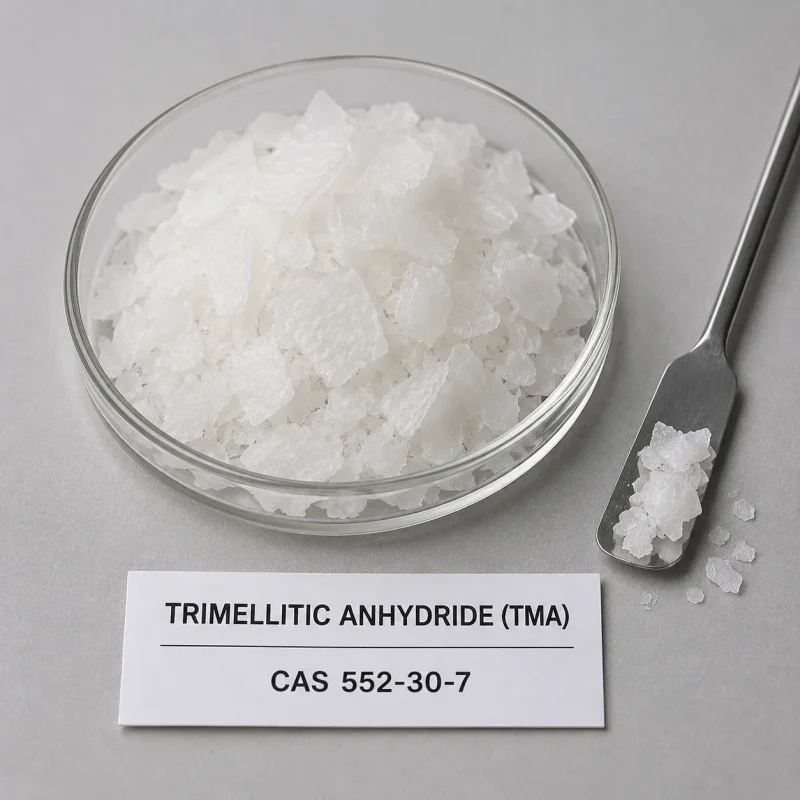
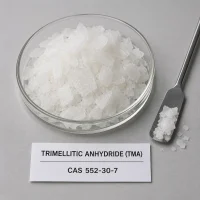
- Appearance: White to off-white flakes or crystalline powder
- Purity: ≥99.0%
- Grade: Industrial / Polymer Grade
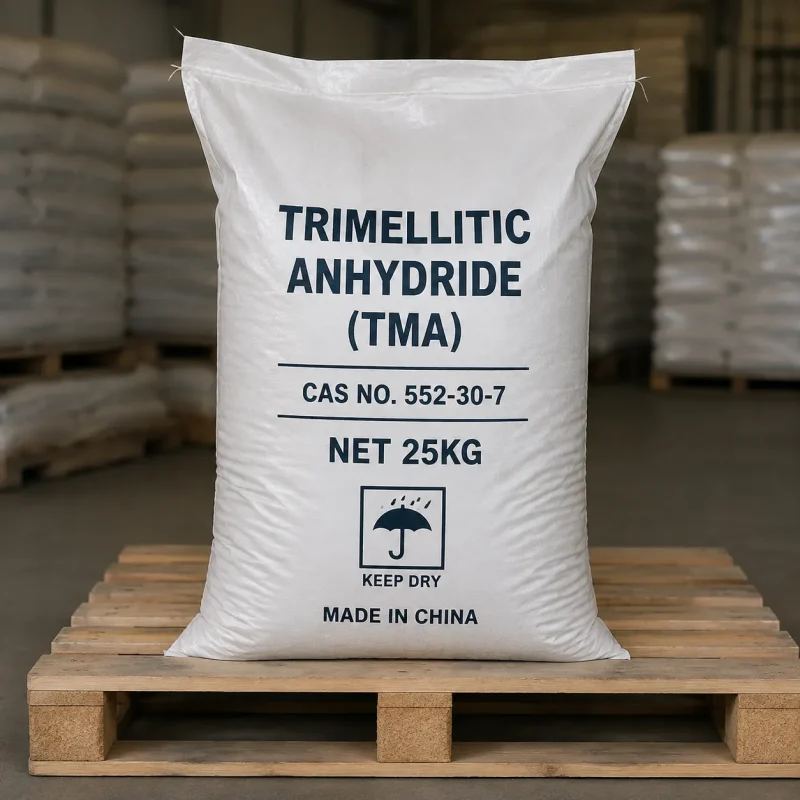
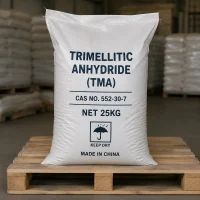
- 25kg: Multi-wall paper bags with PE inner liner
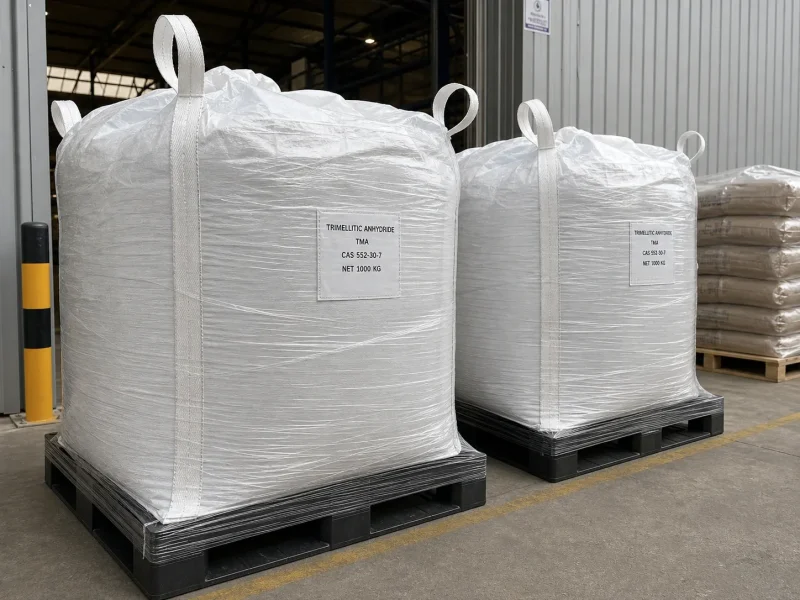
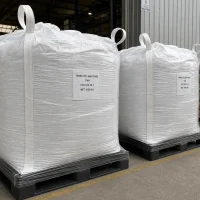
- 500kg/1000kg: FIBC (jumbo bags) with moisture barrier
- Custom packaging, palletizing, and OEM labeling available upon request.
TMA Overview & Chemical Identity
Trimellitic Anhydride is a highly reactive, trifunctional aromatic compound synthesized via the liquid-phase oxidation of 1,2,4-trimethylbenzene followed by dehydration. It possesses both a cyclic anhydride group and a free carboxyl group, allowing for stepwise condensation reactions.
In polymer chemistry, TMA acts as a rigid backbone builder. Its unique asymmetrical structure disrupts chain packing just enough to improve solubility in polar aprotic solvents, while the tri-functional crosslinking sites provide exceptional thermal stability and chemical resistance to the final cured networks.
Chemical & Physical Properties
| Property | Value |
|---|---|
| HS Code | 2917.39 |
| Melting Point | 164 – 168 °C |
| Boiling Point | 380 – 390 °C (decomposes) |
| Density | 1.60 g/cm³ |
| Flash Point | > 190 °C |
| Solubility in Water | Reacts violently (hydrolysis to trimellitic acid) |
| Solubility in Solvents | Soluble in DMF, NMP, hot acetone |
| Acid Value (Anhydrous basis) | 875 mg KOH/g theoretical |
Technical Specifications & COA Parameters
| Item | Specification | Test Method |
|---|---|---|
| Assay (GC) | ≥ 99.0% | Gas Chromatography |
| Free Trimellitic Acid | ≤ 0.5% | Titration |
| Moisture Content | ≤ 0.10% | Karl Fischer |
| Color (APHA) | ≤ 50 | Platinum-Cobalt Scale |
| Melting Point | 164.0 – 168.0 °C | Capillary Tube |
| Iron (Fe) | ≤ 5.0 ppm | ICP-OES |
Excess moisture (> 0.2%) rapidly hydrolyzes the anhydride ring into trimellitic acid, which stalls the imidization catalyst and causes severe viscosity spikes during polyamide-imide synthesis; our production lines utilize nitrogen-blanketed flaking and immediate vacuum sealing to strictly maintain moisture below 0.10%.
Key Performance Benefits in Formulations
- High thermal distortion resistance: The rigid aromatic tri-functional core elevates the Heat Deflection Temperature (HDT) of cured epoxies and polyimides above 250 °C, suitable for Class H insulation systems.
- Controlled crosslink density: Provides precise trifunctional branching points, preventing the brittle fracture common in standard dianhydride-cured networks.
- Enhanced plasticizer permanence: In TOTM production, it yields plasticizers with minimal volatility at high operating temperatures, critical for automotive wire jackets.
- Superior adhesion promotion: The residual carboxyl groups chemically bond to metallic substrates, improving the peel strength of powder coatings on aluminum and steel.
Industrial Applications & Dosage Guidelines
Polyamide-Imide (PAI) Wire Enamels: React with MDI at a molar ratio of 1:1.2 to form Class 200°C magnet wire insulation.
TOTM Heat-Resistant Plasticizers: Esterify with 2-ethylhexanol at a 1:3.2 molar ratio to produce low-volatility plasticizers for PVC cables.
Epoxy Powder Coatings: Use as a hardener at 30 – 45 phr to accelerate crosslinking and improve chemical resistance.
Polyimide Films: Substitute 10 – 25% of PMDA with TMA to improve the solubility of the precursor polyamic acid without sacrificing thermal properties.
Available Grades & Selection Guide
| Parameter | Industrial Grade | Polymer Grade | Electronic Grade |
|---|---|---|---|
| Assay (GC) | ≥ 98.5% | ≥ 99.0% | ≥ 99.5% |
| Moisture | ≤ 0.2% | ≤ 0.1% | ≤ 0.05% |
| Color (APHA) | ≤ 100 | ≤ 50 | ≤ 20 |
| Primary Use | Powder coatings, adhesives | PAI enamels, TOTM | High-end PI films |
Select the grade aligned with your moisture sensitivity and optical requirements, and request a targeted COA for your specific reactor setup.
Logistics, Storage & Handling Safety
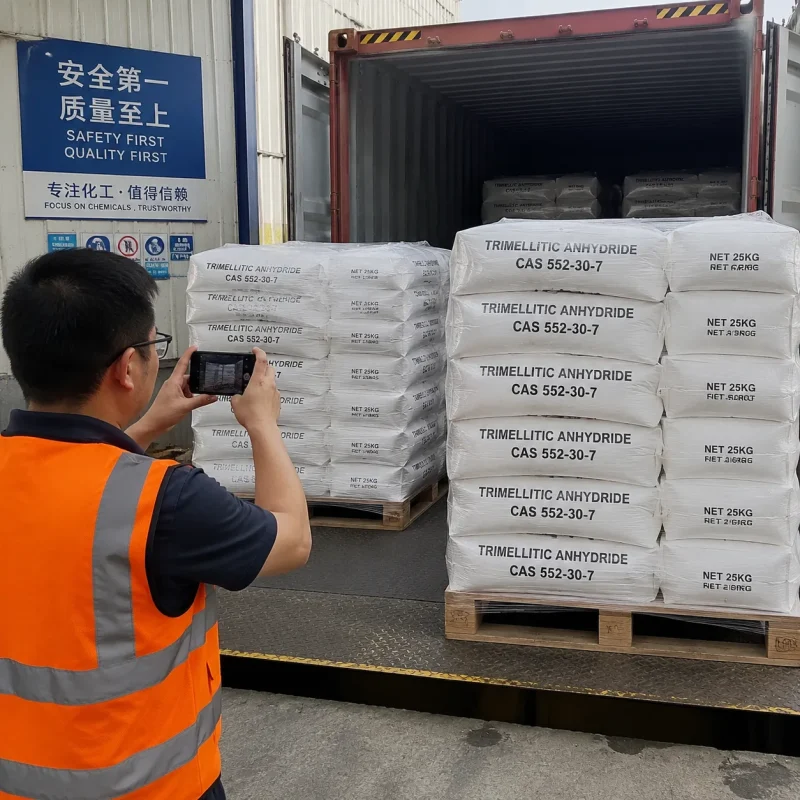
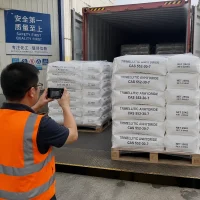
Standard export packaging includes 25kg multi-wall paper bags with PE liners or 1000kg FIBC jumbo bags. A 20’FCL loads 12 – 14 MT in 25kg bags without pallets, or 10 MT when shrink-wrapped on pallets. Storage must be maintained in a strictly dry, cool warehouse isolated from alcohols, amines, and strong oxidizers. Trimellitic Anhydride is classified as Non-DG for sea freight but requires strict moisture control. During ocean transit, we mandate the use of high-absorption silica gel desiccant poles inside the container to prevent container rain from hydrolyzing the anhydride and causing bag swelling. Review the current SDS before handling: PPE, incompatibilities, emergency measures. Operators must wear N95-rated respirators and chemical goggles during bag slitting to avoid inhalation of fine crystalline dust.
Quality Assurance & Compliance Documentation
Every batch ships with a comprehensive Certificate of Analysis (COA), Technical Data Sheet (TDS), and Safety Data Sheet (SDS) compliant with GHS Rev.9 standards. For customers manufacturing automotive or aerospace components, we provide REACH registration status and RoHS/REACH SVHC declarations to support your supply chain audits.
TMA FAQ
Q: How does Trimellitic Anhydride CAS 552-30-7 differ from Pyromellitic Dianhydride (PMDA) in polyimide synthesis?
A: TMA contains one anhydride group and one free carboxyl group, while PMDA contains two anhydride groups. TMA acts as a chain terminator or branching agent, improving solubility and flexibility, whereas PMDA builds rigid, insoluble linear chains.
Q: What happens if the moisture content in TMA exceeds 0.2%?
A: Excess moisture hydrolyzes the anhydride ring into trimellitic acid, which stalls the imidization catalyst. This causes severe viscosity spikes and premature gelation in your reactor, leading to batch failure.
Q: Can TMA be substituted with Phthalic Anhydride (PA) in powder coating formulations?
A: No, direct substitution is chemically incompatible. PA is difunctional and yields lower crosslink density, while TMA is trifunctional. Substituting TMA with PA will drastically reduce the chemical resistance and HDT of the cured film.
Q: How do you handle sample dispatch for moisture-sensitive reactor trials?
A: We ship 500g free samples within 48 hours via international express. Each sample is vacuum-sealed in aluminum foil bags with desiccant packs to guarantee the moisture content remains at factory-release levels upon arrival at your lab.
Q: What is the standard lead time for bulk container orders?
A: Standard lead time is 7 – 15 days from proforma invoice confirmation. Custom milling or specific particle size distributions require an additional 5 days for production scheduling.
Related products
Manufacturer & Exporter Since 2006
Get Tailored Chemical Raw Material Solutions — Reply Within 1 Hour
Factory-direct pricing, stable high-purity supply and complete compliance documentation for your industrial formulations.
- 1000+Products
- 200+QC Protocols
- 7–15Days Delivery
- Factory-Direct Pricing
- COA / TDS / SDS Included
- Free Samples for Testing
- 40+ Export Countries
Request a Free Quote
Our engineers reply within 1 hour during GMT+8 business hours.
Please include in your inquiry:
- Product name or CAS number
- Required quantity
- Destination country or port
- Preferred packaging