
Dimethyl Isophthalate (DMI) CAS 1459-93-4
Dimethyl Isophthalate (CAS 1459-93-4, EINECS 215-943-5, C10H10O4, MW 194.18), also known as DMI or 1,3-benzenedicarboxylic acid dimethyl ester, is an aromatic diester functioning as a key monomer and modifier in polymer synthesis. Sourced directly from UET Chemical’s production lines since 2006, this material delivers consistent melting profiles and low acid values critical for high-performance unsaturated polyester resins and powder coatings. Our DMI provides reliable batch-to-batch esterification reactivity, reducing curing defects and improving the final mechanical flexibility of your formulated systems.
- CAS: 1459-93-4
- Synonyms: DMI, 1,3-benzenedicarboxylic acid dimethyl ester, Dimethyl m-phthalate
- EINECS: 215-943-5
- Molecular Formula: C10H10O4
- Molecular Weight: 194.18 g/mol
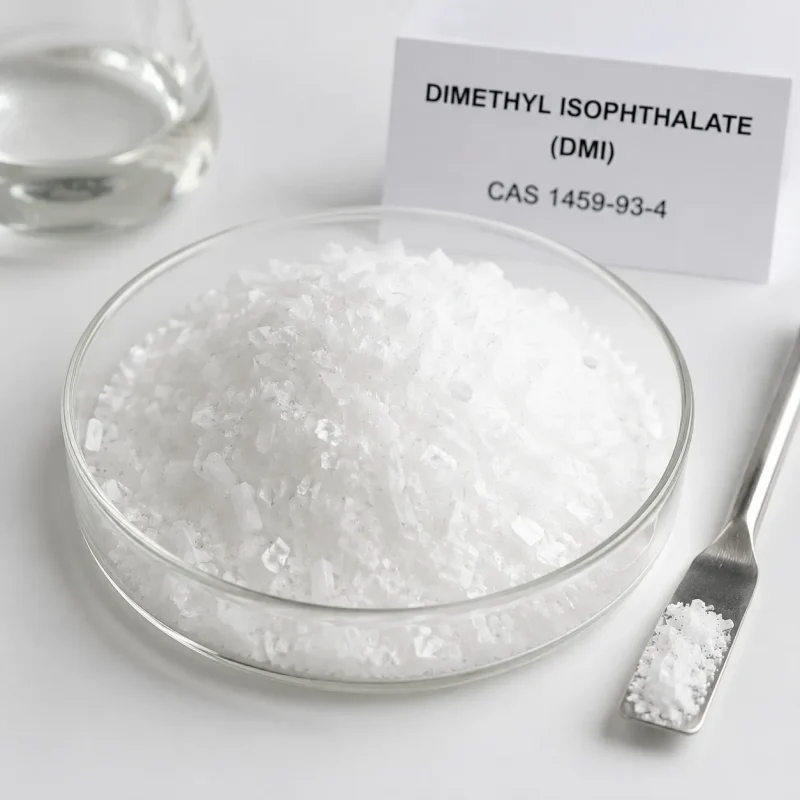
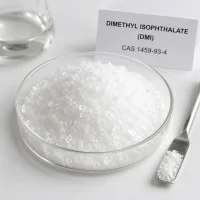
- Appearance: White crystalline flakes or powder
- Purity: ≥99.0%
- Grade: Industrial / Polymerization
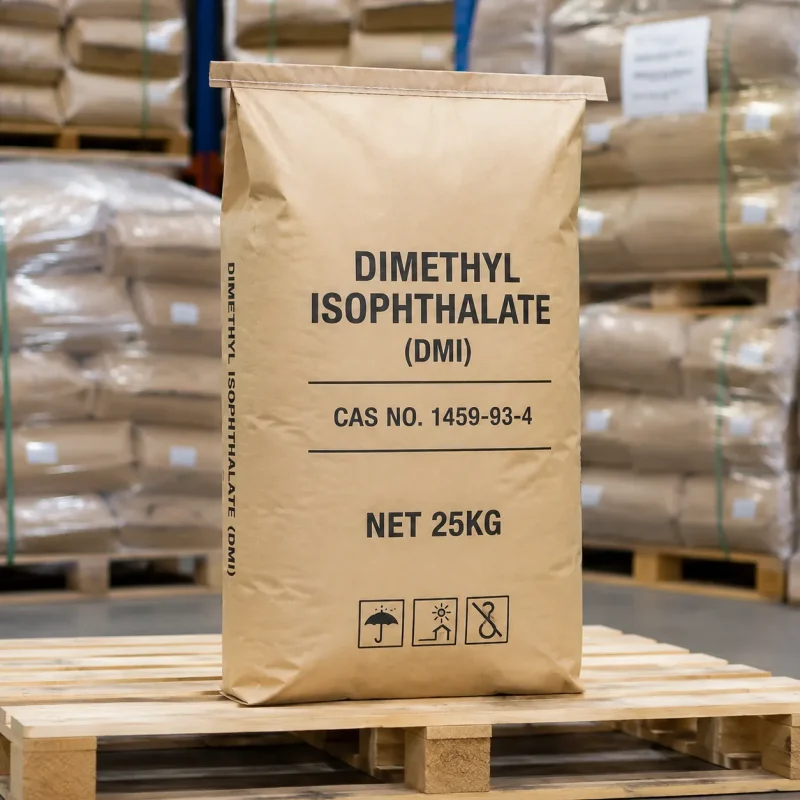
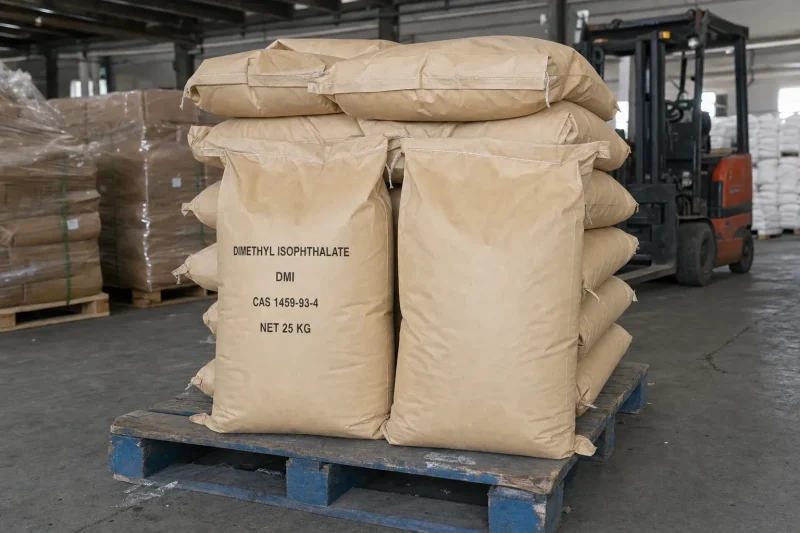
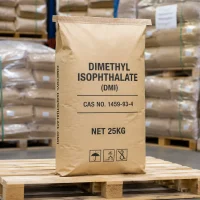
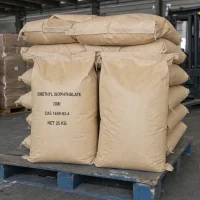
- 25kg: Multi-wall paper bags with PE inner liner or PP woven bags
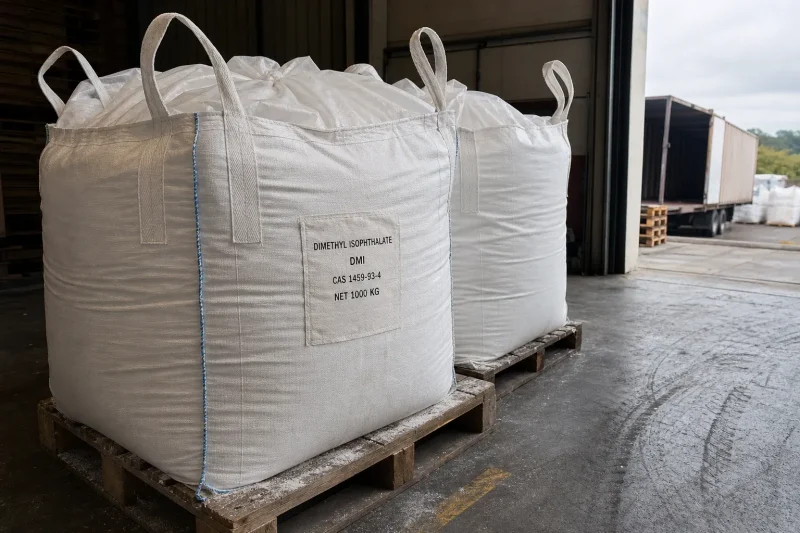
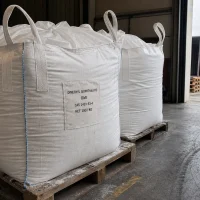
- 1000kg: FIBC (jumbo bags) with moisture-proof lining
- Custom packaging, palletizing, and OEM labeling available upon request.
Introduction to Dimethyl Isophthalate
Dimethyl Isophthalate is a solid aromatic ester synthesized via the esterification of isophthalic acid with methanol. It acts as a versatile chemical intermediate that introduces meta-oriented phenyl rings into polymer backbones, disrupting chain regularity and lowering crystallization temperatures compared to its para-isomer, dimethyl terephthalate.
In industrial manufacturing, DMI is primarily consumed as a co-monomer to modify the thermal and mechanical properties of polyesters and alkyd resins. By incorporating DMI into the reaction kettle, formulators achieve lower melt viscosities, enhanced impact resistance, and improved solubility of the resulting resin in organic solvents, which is highly valued in coil coating and automotive finish applications.
Dimethyl Isophthalate Chemical & Physical Information
| Property | Value |
|---|---|
| HS Code | 2917.39 |
| Melting Point | 64 – 68 °C |
| Boiling Point | 283 °C |
| Density | 1.19 g/cm³ at 20 °C |
| Flash Point | > 110 °C (closed cup) |
| Solubility in Water | Insoluble |
| Solubility in Solvents | Soluble in methanol, ethanol, toluene, and acetone |
| Vapor Pressure | < 0.1 hPa at 20 °C |
Dimethyl Isophthalate Specification (COA)
| Item | Specification | Test Method |
|---|---|---|
| Assay | ≥ 99.0% | Gas Chromatography (GC) |
| Acid Value | ≤ 0.5 mg KOH/g | Titration (ASTM D1980) |
| Moisture Content | ≤ 0.10% | Karl Fischer (ASTM E1064) |
| Color (APHA) | ≤ 20 | Platinum-Cobalt Scale (ASTM D1209) |
| Melting Point | 64.0 – 68.0 °C | Capillary Tube Method |
| Isophthalic Acid | ≤ 0.1% | High-Performance Liquid Chromatography |
Minor fluctuations in color (±5 APHA) may occur between bulk production lots due to trace oxidation during the cooling flaking process, though all shipments strictly remain below the 20 APHA maximum threshold.
Key Features & Benefits of Dimethyl Isophthalate
- Lowered melt viscosity: Reduces the processing temperature required during extrusion and molding, decreasing thermal degradation of heat-sensitive polymer blends.
- Enhanced resin flexibility: The meta-substituted benzene ring introduces kinks into the polymer chain, increasing the elongation at break for cured coatings and composite matrices.
- Superior solvent compatibility: Improves the solubility of high-solid alkyd and polyester resins in standard aromatic solvents, preventing premature gelation in storage tanks.
- Controlled reactivity: Provides a predictable esterification rate during polycondensation, allowing reactor operators to maintain precise molecular weight distributions.
- Low volatile emission: High boiling point and low vapor pressure minimize monomer loss and VOC generation during high-temperature baking cycles in powder coating applications.
Dimethyl Isophthalate Applications & Recommended Dosage
Unsaturated Polyester Resins (UPR): Incorporate at 10 – 30% molar substitution of total dibasic acids to improve the impact strength and water resistance of fiberglass-reinforced plastics. Often co-reacted with maleic anhydride and propylene glycol.
Powder Coatings: Use as a modifier in hybrid or TGIC-free polyester resin synthesis at 5 – 15% by weight to improve flow, leveling, and mechanical toughness of the final cured film.
Alkyd Resins: Add during the alcoholysis or esterification stage at 5 – 20% to reduce drying times and enhance the gloss retention of architectural and industrial maintenance paints.
Hot Melt Adhesives: Blend at 2 – 8% by weight into polyamide or polyester-based hot melt formulations to adjust the open time and lower the application viscosity. Complements tackifying resins and waxes.
Available Grades of Dimethyl Isophthalate
| Parameter | Polymerization Grade | Coating Grade | Technical Grade |
|---|---|---|---|
| Assay (GC) | ≥ 99.5% | ≥ 99.0% | ≥ 98.0% |
| Acid Value | ≤ 0.2 mg KOH/g | ≤ 0.5 mg KOH/g | ≤ 1.0 mg KOH/g |
| Color (APHA) | ≤ 10 | ≤ 20 | ≤ 40 |
| Primary Use | Optical films, high-end PETG | Powder coatings, UPR | General alkyds, plasticizers |
Select the appropriate grade based on your final optical and mechanical requirements, and contact our technical team for a customized specification sheet.
Packaging, Storage & Shipping of Dimethyl Isophthalate
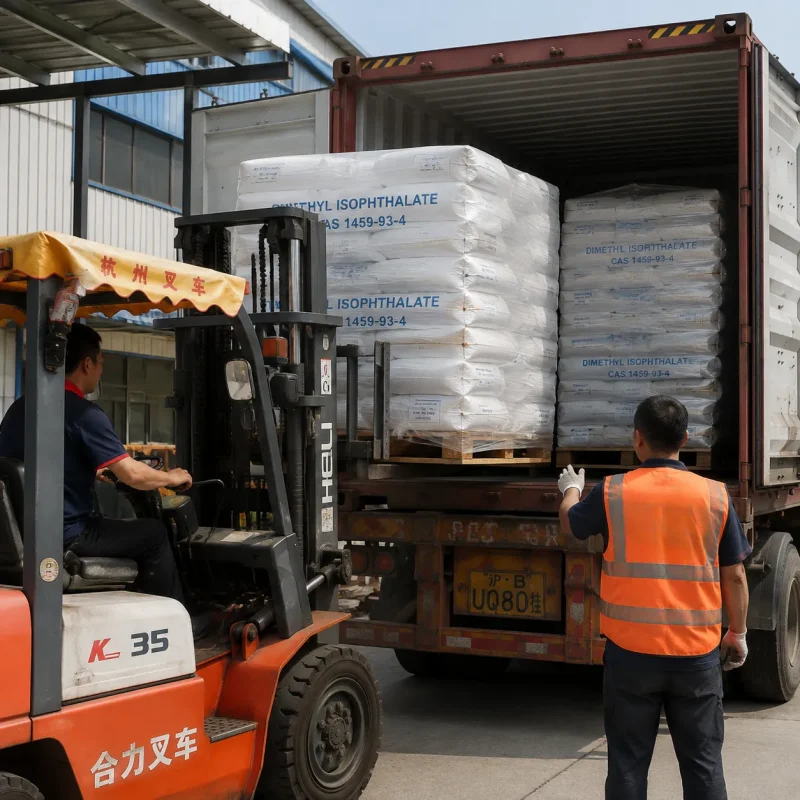
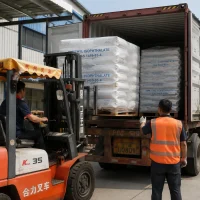
Standard export packaging consists of 25kg multi-wall paper bags with PE liners or 1000kg FIBC jumbo bags. A standard 20’FCL loads 20 MT in 25kg bags without pallets, or 16 MT when shrink-wrapped on pallets for automated warehouse handling. Storage must be in a cool, dry, and well-ventilated facility, strictly separated from strong oxidizing agents and open flames. Dimethyl Isophthalate is classified as Non-DG for sea, air, and road freight. During silo transfer or bag slitting, operators should use localized exhaust ventilation to capture fine dust, as suspended particles can form explosive mixtures with air at high concentrations. Review the current SDS before handling: PPE, incompatibilities, emergency measures.
Dimethyl Isophthalate Quality & Compliance Documents
Every dispatch is accompanied by a batch-specific Certificate of Analysis (COA), Technical Data Sheet (TDS), and Safety Data Sheet (SDS) formatted to GHS Rev.9 standards. As a monomer used in indirect food contact materials, we can provide specific migration testing data and heavy metal declarations upon request to support your regulatory filings in the packaging sector.
Dimethyl Isophthalate FAQ: Technical & Supply Chain
Q: How does Dimethyl Isophthalate CAS 1459-93-4 differ from Dimethyl Terephthalate (DMT) in resin synthesis?
A: DMI contains a meta-substituted benzene ring, which disrupts polymer chain packing and lowers the melting point and crystallinity of the resulting resin. DMT has a para-substituted ring, yielding highly crystalline, rigid polymers like standard PET.
Q: What acid value limit should I specify for optical-grade copolyester production?
A: For optical films and high-clarity copolyesters like PETG, specify an acid value of ≤ 0.2 mg KOH/g. Higher acid values can catalyze unwanted side reactions and cause yellowing during high-temperature polycondensation.
Q: Is special temperature control required during ocean freight?
A: No. With a melting point of 64 – 68 °C, DMI remains a stable solid under normal ambient conditions. Standard dry container shipping is sufficient, provided the cargo is protected from direct sunlight and moisture ingress.
Q: How quickly can I receive a sample for reactor trial runs?
A: We dispatch 500g to 1kg free samples within 48 hours of request via international courier. The sample includes a full COA so you can verify the assay and moisture content before scaling up to a metric-ton trial order.
Q: What is the typical lead time for a full container load?
A: Standard lead time is 7 – 15 days from proforma invoice confirmation for in-stock polymer grades. Custom flaking or specific particle size distributions may require an additional 5 – 7 days for production scheduling.
Related products
Manufacturer & Exporter Since 2006
Get Tailored Chemical Raw Material Solutions — Reply Within 1 Hour
Factory-direct pricing, stable high-purity supply and complete compliance documentation for your industrial formulations.
- 1000+Products
- 200+QC Protocols
- 7–15Days Delivery
- Factory-Direct Pricing
- COA / TDS / SDS Included
- Free Samples for Testing
- 40+ Export Countries
Request a Free Quote
Our engineers reply within 1 hour during GMT+8 business hours.
Please include in your inquiry:
- Product name or CAS number
- Required quantity
- Destination country or port
- Preferred packaging