
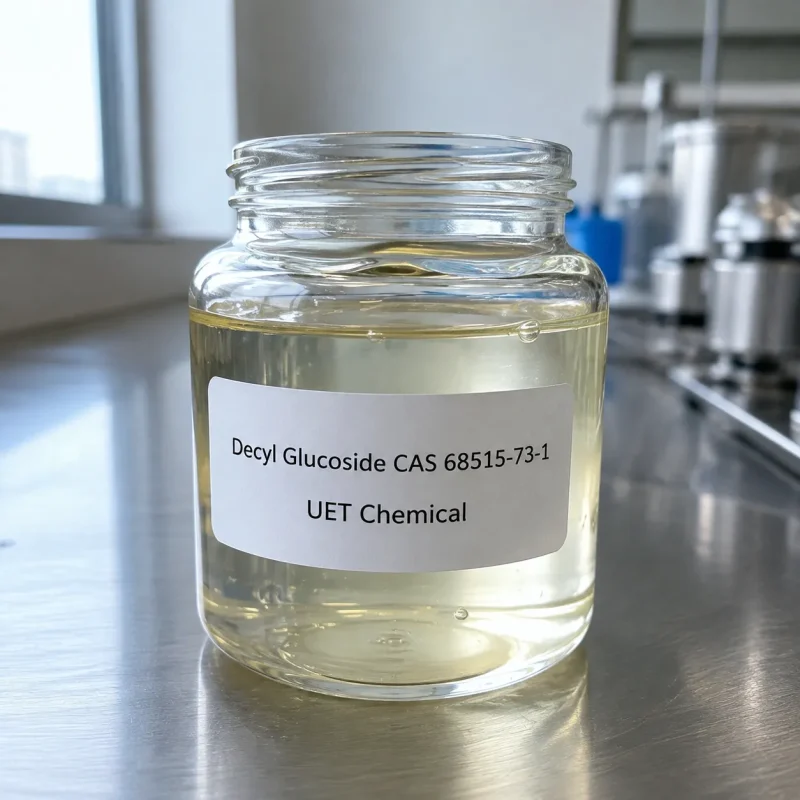
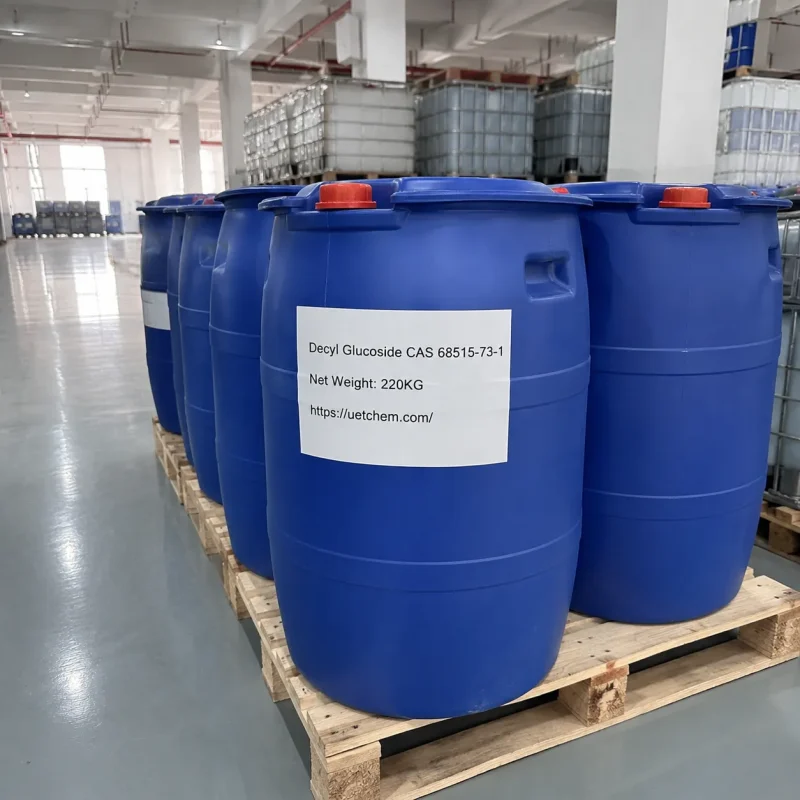
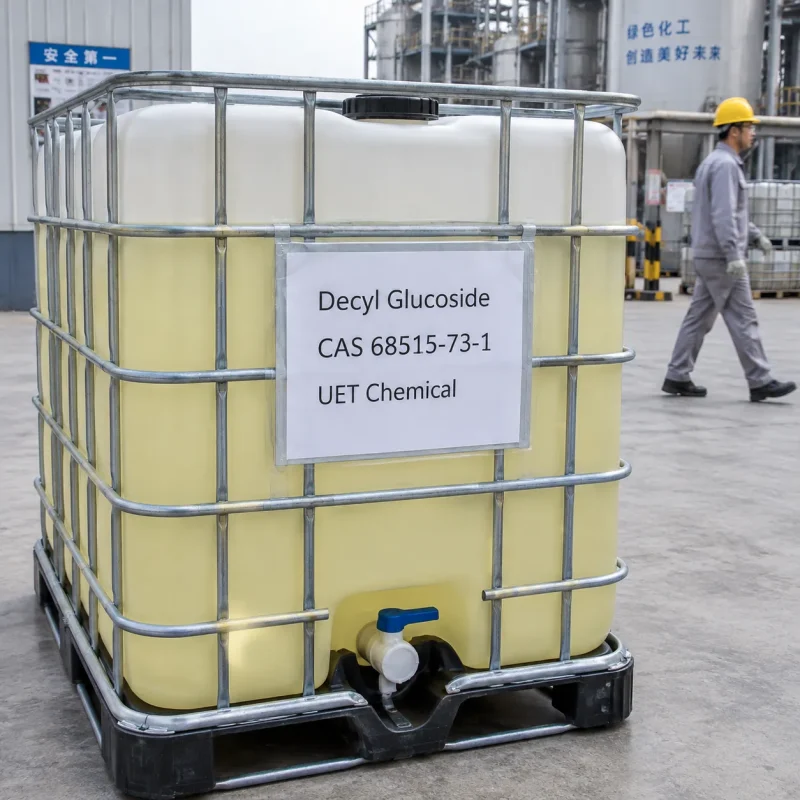
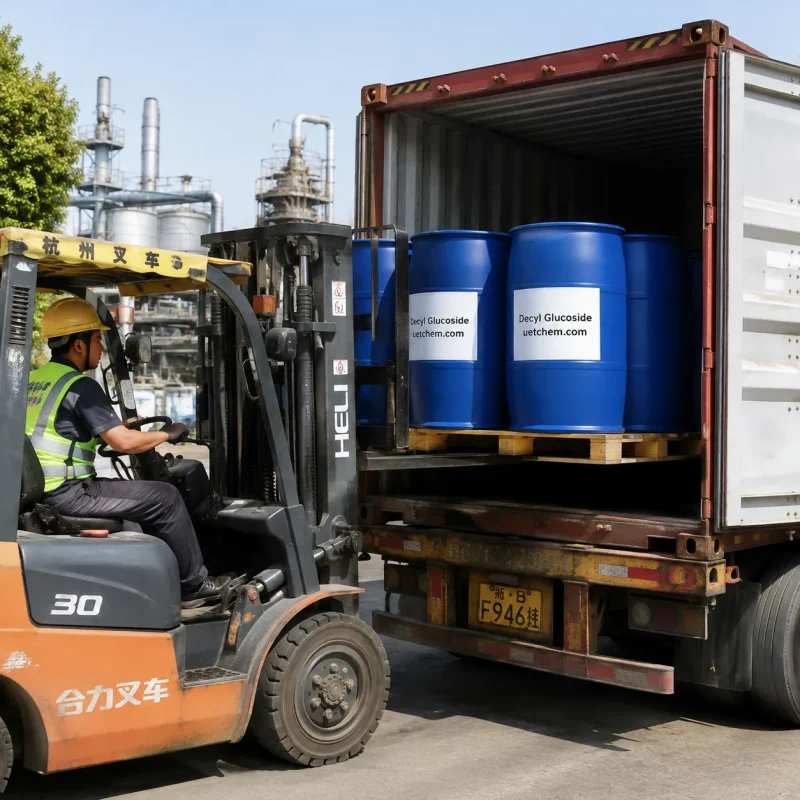
Decyl Glucoside CAS 68515-73-1
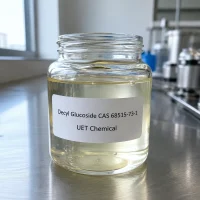
Decyl Glucoside is a non-ionic alkyl polyglucoside with a C10 decyl chain linked to D-glucose via β-glycosidic bond. Supplied as a pale-yellow viscous liquid, 50–53% active in water, it acts as primary or co-surfactant in sulfate-free shampoos, baby washes, and plant-based cleaners. Zero EO units means no 1,4-dioxane or PEG residues. Each shipment includes COA, TDS, and SDS.
- CAS No.: 68515-73-1
- Synonyms: Decyl β-D-glucopyranoside; Decyl D-glucoside; APG 0810; C10 Polyglucoside
- EINECS: 271-002-7
- Molecular Formula: C₁₆H₃₂O₆
- Molecular Weight: 320.42 g/mol
- Appearance: Pale-yellow to amber viscous liquid
- Active Content: 50–53%
- pH (as supplied): 6.0–8.0
- HLB Value: 12–13
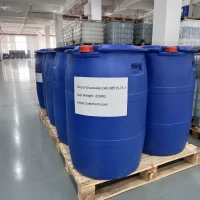
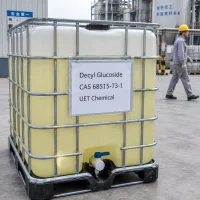
- Packaging: 200 kg HDPE drum / 1 000 kg IBC tote. Custom packaging available upon request.
- Main Applications: Sulfate-free personal care; baby & sensitive-skin cleansers; eco household detergents; industrial wetting
Introduction to Decyl Glucoside
Decyl Glucoside is a pale-yellow to amber viscous liquid, a non-ionic alkyl polyglucoside whose C10 decyl tail attaches to a single D-glucose unit via a β-1,4-glycosidic bond. No ethoxylene spacer sits between hydrophobe and hydrophilic head. HLB sits at 12–13, water solubility is complete at room temperature, and CMC lands near 0.9 g/L. The product functions as a primary surfactant or foam-stabilising co-surfactant in sulfate-free personal-care lines and plant-derived household cleaners.
SLES typically carries 1–10 ppm residual 1,4-dioxane and trace ethylene oxide; Decyl Glucoside contains zero of either—no ethoxylation step exists in APG synthesis. This clears EU (EC) 1223/2009 limits for leave-on and baby-care products without additional purification. One caution: the glycosidic bond hydrolyses below pH 3 during prolonged storage; buffer finished formulas above pH 4.
Key Features of Decyl Glucoside
- Zero-EO, zero-sulfate architecture. The molecule is built from decanol and glucose only; no ethoxylation step means no 1,4-dioxane, no PEG oligomers, and no residual ethylene oxide—parameters that SLES and AES batches routinely struggle to hold below 10 ppm.
- C10 chain delivers lower irritation than C12 analogues. Compared with Lauryl Glucoside (C12), the shorter decyl tail reduces stratum-corneum lipid extraction, yielding a lower erythema score in repeat-insult patch tests and making Decyl Glucoside the preferred APG for baby and intimate-care formulations.
- β-glycosidic bond ensures full aerobic biodegradation. OECD 301B tests consistently report >70% CO₂ evolution within 28 days, satisfying EU Ecolabel and COSMOS criteria without a persistent metabolite.
- Broad electrolyte and surfactant-class compatibility. Unlike sulfate-based anionics that salt out above 3% NaCl, Decyl Glucoside remains clear and functional in high-electrolyte systems and blends synergistically with anionics, cationics, and amphoteric betaines.
- Dense, creamy foam at low active levels. At 2–4% active in a body-wash base, foam volume rises 20–35% versus an all-betaine control, and lamellae resist collapse in hard water (>250 ppm CaCO₃).
Decyl Glucoside Chemical & Physical Properties
| Property | Value |
|---|---|
| Molecular Formula | C₁₆H₃₂O₆ |
| Molecular Weight | 320.42 g/mol |
| Density (50% aq., 25 °C) | 1.05–1.10 g/cm³ |
| Flash Point | >100 °C (non-flammable aqueous solution) |
| Solubility | Fully miscible with water; soluble in ethanol, glycerol; insoluble in mineral oil |
| pH (as supplied, 50% soln) | 6.0–8.0 |
| HLB Value | 12–13 |
| Viscosity (25 °C) | 1 000–6 000 mPa·s (batch-dependent) |
| Surface Tension (1% aq.) | ≤35 mN/m (ASTM D1331) |
| Critical Micelle Concentration | ≈0.9–1.0 g/L |
Applications of Decyl Glucoside
Sulfate-free shampoo and body wash: Decyl Glucoside replaces SLES as the primary surfactant at 8–15% active. The glucose head group hydrates the scalp surface while the C10 tail lifts sebum without stripping phospholipid bilayers. Formulators typically pair it with cocamidopropyl betaine (CAPB) at 3–5% to boost viscosity and flash foam.
Baby and sensitive-skin cleansers: At 4–8% active the C10 chain length keeps the irritation index below 0.5 in 48-hour occluded patch tests. No residual EO or dioxane exists, so the ingredient passes EU (EC) 1223/2009 Annex II restrictions without additional purification. Typical finished-product pH: 5.0–5.5.
Plant-based household dish liquid and all-purpose cleaner: Decyl Glucoside contributes wetting and grease emulsification at 5–12% active. Non-ionic character means performance holds in water hardness up to 400 ppm CaCO₃, eliminating the need for chelating builders in many formulations.
Micellar water and leave-on facial cleansers: Used at 1–4% active, the low CMC (~0.9 g/L) allows micelle formation at very dilute concentrations, trapping lipophilic makeup residues while the glucose moiety maintains a non-stripping skin feel. No rinse-off required.
Agricultural and textile wetting agent: At 0.1–0.5% in tank-mix or scouring baths, Decyl Glucoside reduces surface tension below 32 mN/m (per ASTM D1331), improving spread on waxy leaf cuticles or unbleached cotton without introducing silicone or EO residues that interfere with downstream dyeing.
Storage & Safety Precautions for Decyl Glucoside
Storage conditions. Keep drums sealed at 5–35 °C, away from direct sunlight. Below 5 °C the glucose fraction crystallises and the solution turns cloudy or forms a waxy solid—this is reversible. Do NOT store near strong mineral acids (HCl, H₂SO₄); at pH <3 the β-glycosidic bond hydrolyses, releasing free glucose and decanol and permanently reducing surface activity. Once a drum is opened, use within 30 days or dose a broad-spectrum preservative (e.g., phenoxyethanol 0.5–1%) to prevent microbial growth in the aqueous phase.
Safety and PPE. Decyl Glucoside is not classified as hazardous under GHS. Mild, transient eye irritation possible (Category 2B); wear chemical-splash goggles and nitrile gloves during drum transfers. For spills, contain with inert absorbent (vermiculite or cellulose), collect into a labelled container, rinse the area with water. No special ventilation required at ambient temperature.
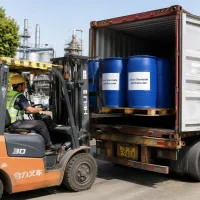
Transport classification. Non-DG. Not regulated under IMDG, IATA, or ADR. Ship as a standard liquid chemical. Ensure drum bungs are torqued to ≥15 N·m to prevent weeping during ocean freight.
Practitioner note: When verifying active content by oven-dry (gravimetric) method, set the oven at 105 ± 2 °C for 2 h per ISO 2271 guidance. Exceeding 110 °C caramelises the glucose head group and gives a falsely low reading. We have seen this error cause a 2–3% apparent “loss” in incoming QC labs that use 120 °C by default.
Decyl Glucoside FAQ
Q: A drum arrived semi-solid and opaque in winter. Is the batch defective?
A: No. Below 5 °C the glucose fraction crystallises—reversible. Warm the drum to 25–30 °C, wait 12–24 h, stir gently. The liquid returns to original clarity and full surface activity. Compare recovered viscosity and pH against the shipped COA.
Q: Can Decyl Glucoside (CAS 68515-73-1) fully replace SLES in shampoo?
A: Not 1:1. Decyl Glucoside is non-ionic and does not respond to salt thickening. Use 10–14% active plus 3–5% cocamidopropyl betaine or a PEG-free thickener. Expect 20–30% lower viscosity than SLES unless compensated. Pilot a 2 kg batch and check foam by Ross-Miles (ISO 4315) before scaling.
Q: How does Decyl Glucoside differ from Lauryl Glucoside (C12) in foam?
A: C10 gives faster flash foam, lighter lather. C12 yields denser, longer-lasting foam and more viscosity. At 3% active: Decyl Glucoside hits 180–200 mm at 0 min but retains 55–60% at 5 min; Lauryl Glucoside starts at 160–180 mm but holds 70%. Choose C10 for mildness and fast rinse; C12 for viscosity.
Q: Does the glycosidic bond degrade during 12-month storage?
A: At pH 6–8 and 5–35 °C, hydrolysis is negligible—less than 0.5% glucose release over 12 months. The bond breaks only below pH 3 or above 50 °C for weeks. Buffer finished formulas above pH 4. Viscosity may drift ±15% between lots due to natural C8–C10 feedstock variation; this does not affect CMC or surface tension.
Related products
Manufacturer & Exporter Since 2006
Get Tailored Chemical Raw Material Solutions — Reply Within 1 Hour
Factory-direct pricing, stable high-purity supply and complete compliance documentation for your industrial formulations.
- 1000+Products
- 200+QC Protocols
- 7–15Days Delivery
- Factory-Direct Pricing
- COA / TDS / SDS Included
- Free Samples for Testing
- 40+ Export Countries
Request a Free Quote
Our engineers reply within 1 hour during GMT+8 business hours.
Please include in your inquiry:
- Product name or CAS number
- Required quantity
- Destination country or port
- Preferred packaging