
Fungal Alpha-Amylase CAS 9001-19-8
Fungal Alpha-Amylase (CAS 9001-19-8) is an industrial enzyme that hydrolyzes starch into dextrins and fermentable sugars. UETChem supplies high-activity fungal alpha-amylase for baking, brewing, ethanol, and starch processing applications.
- CAS: 9001-19-8
- EC Number: 3.2.1.1
- Activity: 40,000-100,000 U/g (specify on order)
- Optimum pH: 4.5-6.0
- Optimum Temperature: 50-60°C
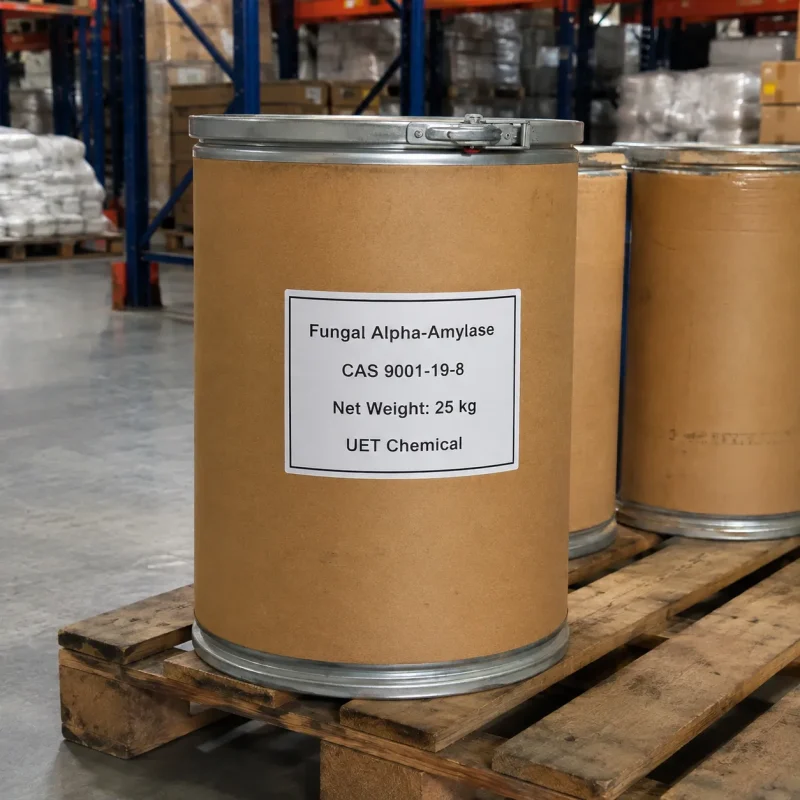
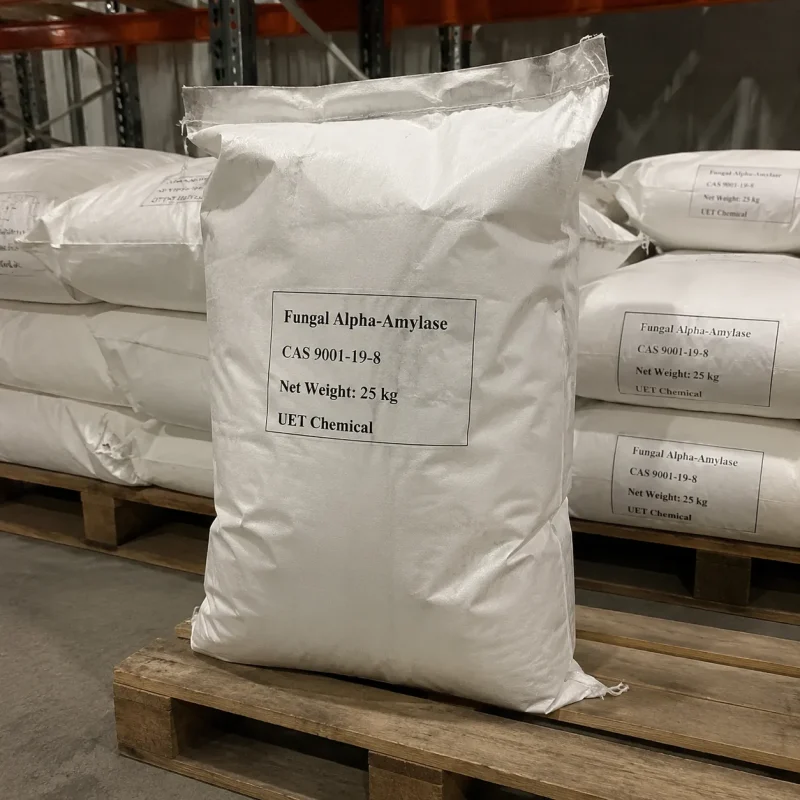
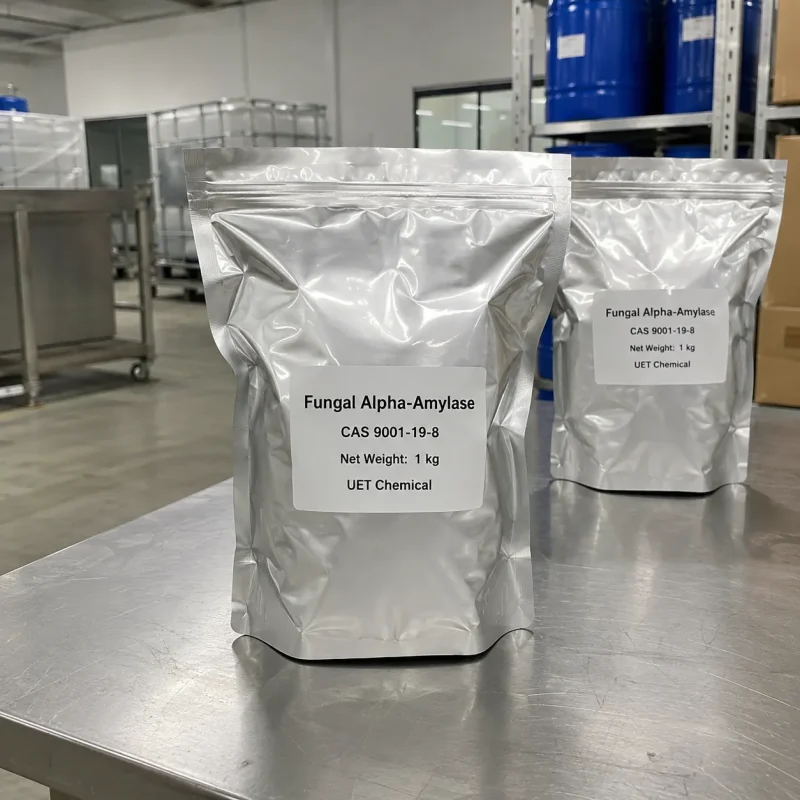
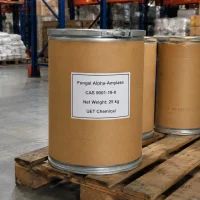
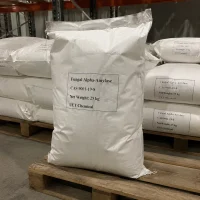
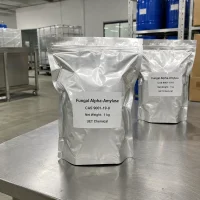
- Packaging: 25 kg drums, custom packaging available
- Documentation: COA, TDS, SDS/MSDS, food grade certificates
About Fungal Alpha-Amylase
Fungal alpha-amylase (1,4-alpha-D-glucan glucanohydrolase, EC 3.2.1.1, CAS 9001-19-8) is an endo-acting enzyme that randomly hydrolyzes alpha-1,4 glycosidic linkages in starch, amylose, and amylopectin. It is produced by submerged fermentation of Aspergillus oryzae or related fungal strains.
The enzyme breaks down long starch chains into shorter dextrins, maltose, and glucose. Unlike bacterial alpha-amylases, fungal alpha-amylase operates at lower temperatures and milder pH conditions, making it suitable for baking and low-temperature starch processing. It is inactivated above 70°C and does not require calcium for stability.
Specifications
| Parameter | Standard Grade | High-Activity Grade |
|---|---|---|
| Enzyme Activity | 40,000 U/g | 100,000 U/g |
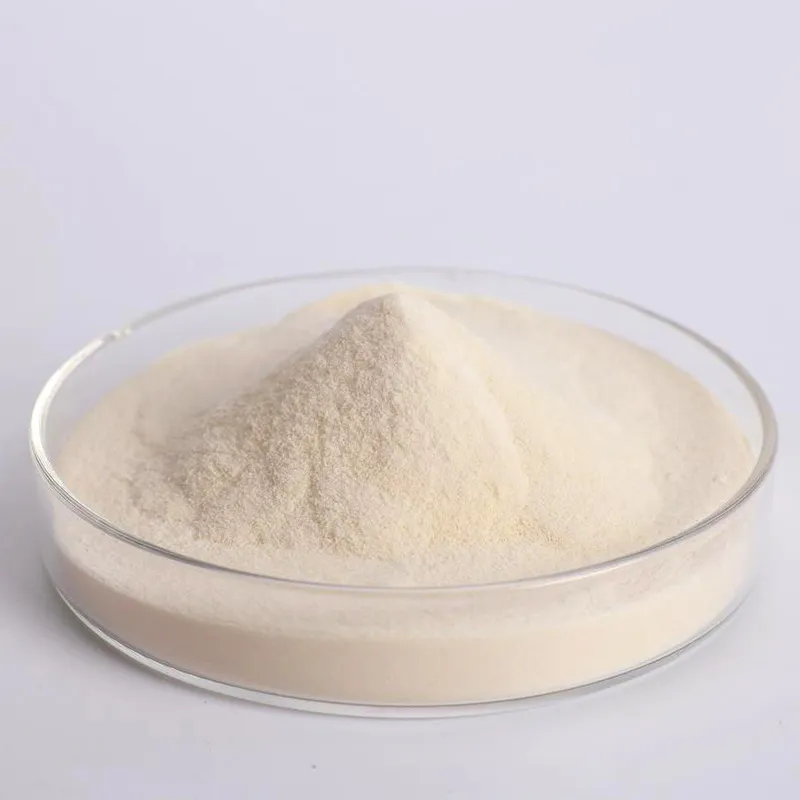
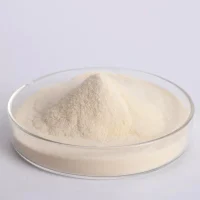
| Appearance | Light brown powder | Light brown powder |
| Optimum pH | 4.5-6.0 | 4.5-6.0 |
| Optimum Temperature | 50-60°C | 50-60°C |
| pH Stability | 4.0-7.0 | 4.0-7.0 |
| Temperature Stability | ≤ 60°C | ≤ 60°C |
| Moisture | ≤ 8.0% | ≤ 8.0% |
| Heavy Metals (as Pb) | ≤ 10 ppm | ≤ 10 ppm |
Applications
Baking Industry
Dough improver and anti-staling agent in bread, rolls, and baked goods. Fungal alpha-amylase breaks down damaged starch into fermentable sugars, improving yeast fermentation, crust color, and loaf volume. Typical dosage is 5-50 ppm based on flour weight. The enzyme is inactivated during baking, leaving no residual activity in the finished product.
Brewing & Distilling
Mashing aid in beer brewing and spirit production to supplement malt enzyme activity. Used in adjunct brewing with rice, corn, or unmalted grains to improve starch conversion. Typical dosage is 0.1-0.5 kg per ton of grist. Operates during mashing at 55-65°C and is denatured during wort boiling.
Ethanol & Biofuel
Saccharification enzyme in fuel ethanol and industrial alcohol production from corn, wheat, or cassava. Used in simultaneous saccharification and fermentation (SSF) processes. Typical dosage is 0.2-1.0 kg per ton of starch. Fungal alpha-amylase is often used in combination with glucoamylase for complete starch conversion.
Starch Processing
Production of maltose syrups, glucose syrups, and maltodextrins from starch. Fungal alpha-amylase produces a higher maltose content compared to bacterial alpha-amylase, making it suitable for high-maltose syrup production. Typical reaction conditions: 30-40% starch slurry, pH 5.0-5.5, 55-60°C, 2-4 hours.
Other Uses
Desizing agent in textile processing, digestive aid in animal feed, and clarifying agent in fruit juice and wine production. Also used in detergent formulations for starch stain removal.
Quality Control & Documentation
Each batch is tested before release:
- Enzyme activity assay by DNS (3,5-dinitrosalicylic acid) method using soluble starch substrate
- pH and moisture content measurement
- Microbiological testing (total plate count, yeast and mold, coliforms)
- Heavy metal analysis by ICP-OES
- Protein content and purity assessment by SDS-PAGE
- Batch-specific COA accompanies every shipment
Available documentation includes COA, TDS, SDS/MSDS, food grade certificates, HALAL, KOSHER, and GMO-free declarations. Product is manufactured in facilities compliant with ISO 9001 and HACCP standards.
Storage & Handling
Store in a cool, dry place at temperatures below 25°C. Keep containers tightly sealed to prevent moisture absorption and enzyme degradation. Avoid prolonged exposure to heat, direct sunlight, and strong oxidizing agents. Under proper storage conditions, enzyme activity remains above 90% of labeled value for 12 months.
Wear protective gloves, safety glasses, and dust mask when handling enzyme powders. Avoid inhalation of dust and prolonged skin contact. Enzyme dust may cause allergic reactions or respiratory sensitization in sensitive individuals. In case of eye contact, flush with water for 15 minutes and seek medical attention.
Frequently Asked Questions
What is the difference between fungal and bacterial alpha-amylase?
Fungal alpha-amylase (Aspergillus oryzae) operates at 50-60°C and pH 4.5-6.0, producing more maltose. Bacterial alpha-amylase (Bacillus species) is thermostable up to 95°C and operates at pH 6.0-7.0, producing more dextrins. Choose based on your process temperature and desired sugar profile.
How is enzyme activity defined?
One unit (U) of fungal alpha-amylase activity is defined as the amount of enzyme that hydrolyzes 1 micromole of glycosidic bonds per minute under specified conditions (pH 5.0, 40°C, soluble starch substrate). Activity may vary by assay method; verify with your supplier’s COA.
Can fungal alpha-amylase be used in organic products?
Fungal alpha-amylase is generally allowed in organic food production when produced from non-GMO strains. Verify organic certification status with your supplier and check with your organic certification body for specific requirements.
What is the minimum order quantity?
Standard packaging is 25 kg fiber drums. Full pallet (400-500 kg) and container pricing is available for bulk orders. Smaller sample sizes are available for formulation development and qualification testing.
Related products
Manufacturer & Exporter Since 2006
Get Tailored Chemical Raw Material Solutions — Reply Within 1 Hour
Factory-direct pricing, stable high-purity supply and complete compliance documentation for your industrial formulations.
- 1000+Products
- 200+QC Protocols
- 7–15Days Delivery
- Factory-Direct Pricing
- COA / TDS / SDS Included
- Free Samples for Testing
- 40+ Export Countries
Request a Free Quote
Our engineers reply within 1 hour during GMT+8 business hours.
Please include in your inquiry:
- Product name or CAS number
- Required quantity
- Destination country or port
- Preferred packaging