
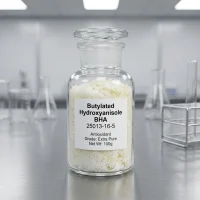
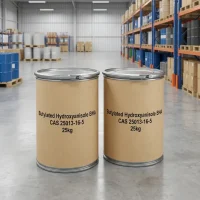
Butylated Hydroxyanisole (BHA) CAS 25013-16-5
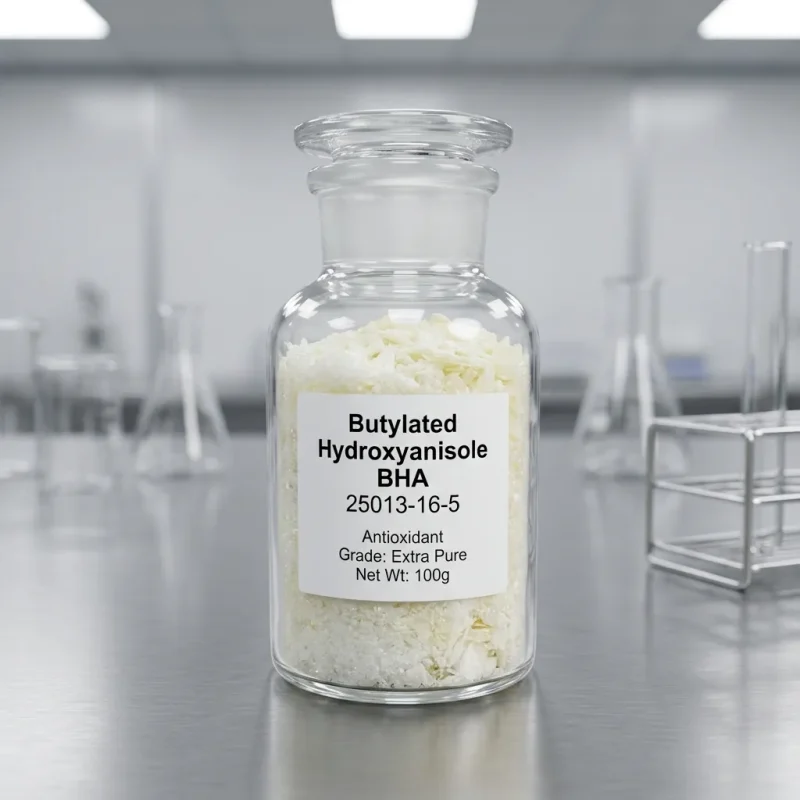
Butylated Hydroxyanisole (BHA) is a lipophilic phenolic antioxidant comprising a mixture of 2-tert-butyl-4-methoxyphenol and 3-tert-butyl-4-methoxyphenol. Supplied as a white to slightly yellow waxy solid or crystalline powder (≥99.0% assay), it acts as a primary free-radical scavenger in edible fats, pet foods, and cosmetic formulations. The tert-butyl steric bulk stabilizes the phenoxyl radical, preventing lipid peroxidation and rancidity. Each shipment includes COA, TDS, and SDS.
- CAS No.: 25013-16-5
- Synonyms: BHA; tert-Butyl-4-hydroxyanisole; Butyl methoxyphenol
- EINECS: 246-563-8
- Molecular Formula: C₁₁H₁₆O₂
- Molecular Weight: 180.25 g/mol
- Appearance: White to pale yellow waxy solid or crystalline flakes
- Assay (GC): ≥99.0% (2-isomer ≥85.0%)
- Melting Point: 57–65 °C
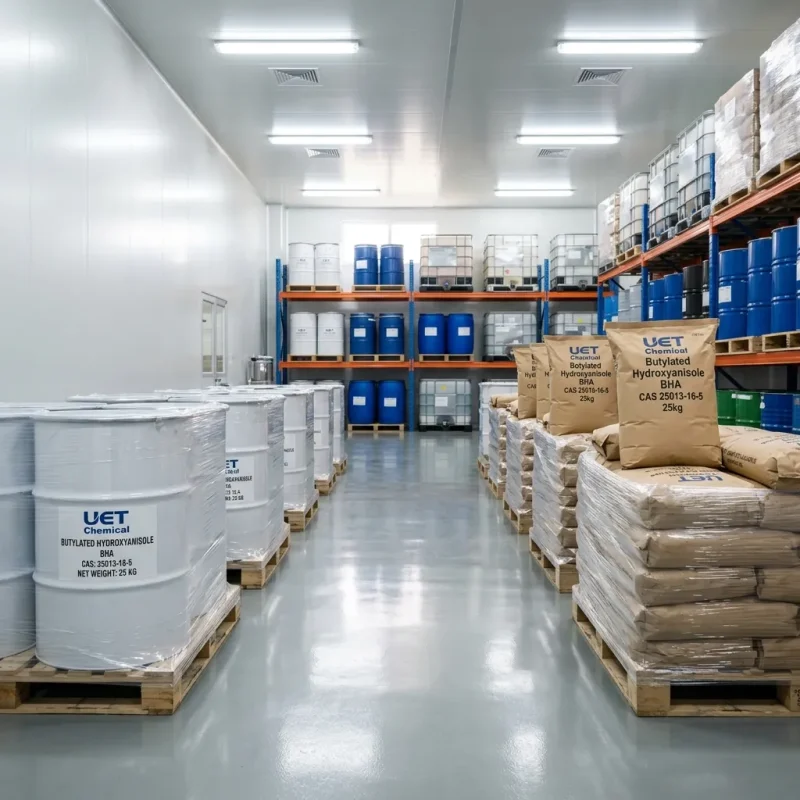
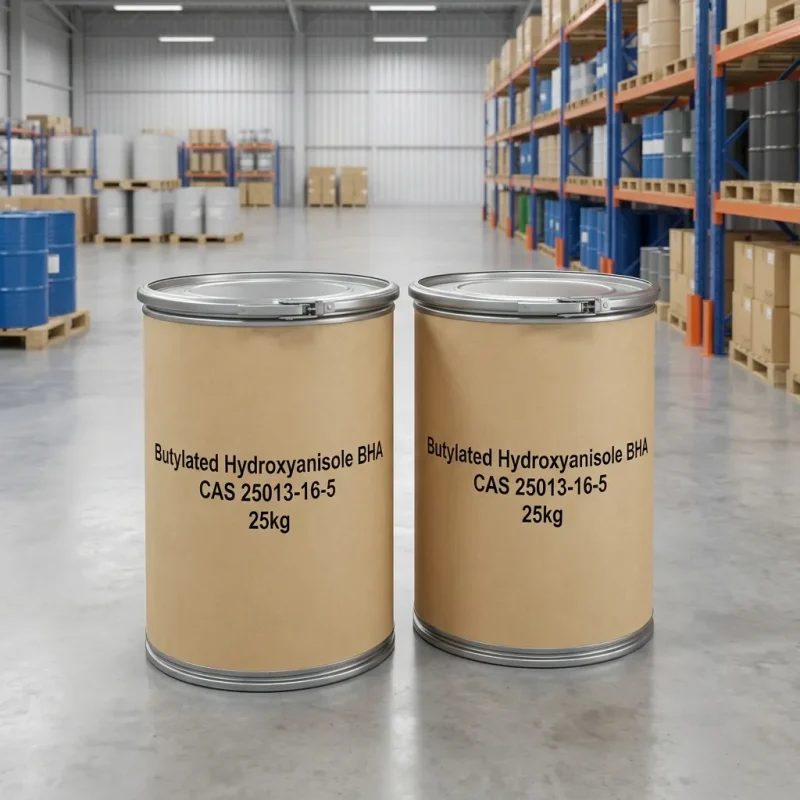
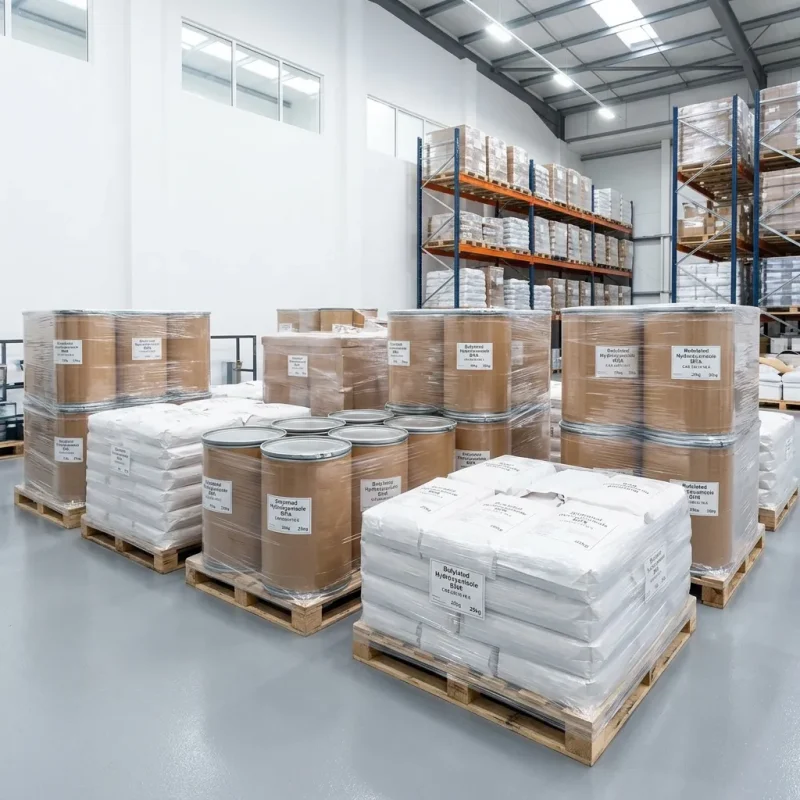
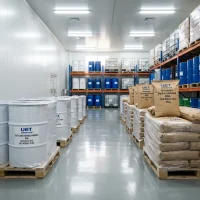
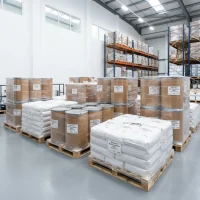
- Packaging: 25 kg fibre drum with PE liner / 20 kg carton. Custom packaging available upon request.
- Main Applications: Food antioxidant (E320); animal feed preservation; cosmetic stabilizer; polymer anti-aging
Introduction to Butylated Hydroxyanisole
Butylated Hydroxyanisole (BHA) is a white to pale yellow waxy solid or crystalline flake, a synthetic lipophilic phenolic antioxidant consisting of a mixture of 2-tert-butyl-4-methoxyphenol and 3-tert-butyl-4-methoxyphenol. The 2-isomer is the primary active species, donating a hydrogen atom from its phenolic hydroxyl group to terminate lipid peroxidation chain reactions. Formulators rely on it to prevent oxidative rancidity in animal fats, essential oils, and high-fat cosmetic bases.
Unlike water-soluble antioxidants, BHA partitions directly into the lipid phase, protecting vulnerable polyunsaturated fatty acids (PUFAs) at the molecular level. One practical caution: the free phenol group reacts with trace transition metals (iron, copper) to form intensely coloured pink or brown complexes. Always use stainless steel (SS316) or glass-lined equipment, and pair BHA with a chelator like citric acid to sequester metal impurities.
Key Features of Butylated Hydroxyanisole
- Lipophilic radical scavenging. The methoxy and tert-butyl groups tune the molecule’s polarity, allowing it to dissolve completely in non-polar fats and oils while the phenolic –OH donates hydrogen to quench peroxyl radicals.
- Exceptional thermal carry-through. The steric hindrance of the tert-butyl group grants high thermal stability. BHA survives baking, frying, and extrusion temperatures (up to 200 °C) better than tocopherols or rosemary extract, retaining antioxidant power in the final cooked product.
- Synergistic blending capacity. Combines seamlessly with BHT, propyl gallate, or citric acid. A 1:1 BHA/BHT blend provides broad-spectrum protection across both animal and vegetable lipid matrices.
- Low volatility and high substantivity. Remains active in the lipid phase during prolonged storage, extending the shelf life of pet kibble, rendered fats, and lipid-rich cosmetics without evaporating.
Butylated Hydroxyanisole Chemical & Physical Properties
| Property | Value |
|---|---|
| Molecular Formula | C₁₁H₁₆O₂ |
| Molecular Weight | 180.25 g/mol |
| Melting Point | 57–65 °C |
| Boiling Point | ~269 °C |
| Density | ~1.05 g/cm³ |
| Solubility | Insoluble in water; freely soluble in ethanol, ether, propylene glycol, and fats/oils |
| Assay (Total BHA) | ≥99.0% |
| 2-tert-Butyl-4-methoxyphenol | ≥85.0% |
| Heavy Metals (as Pb) | ≤10 ppm |
| Arsenic (As) | ≤3 ppm |
Applications of Butylated Hydroxyanisole
Edible oils, fats, and fried foods: Dosed at 50–200 ppm (0.005–0.02%). Highly effective in stabilizing animal fats (lard, tallow, fish oil) and essential oils against autoxidation. Its thermal stability provides “carry-through” protection in fried snacks and baked goods.
Pet food and animal feed: Added at 100–300 ppm to rendered fats and fat-coated kibble. Prevents the destruction of fat-soluble vitamins (A, D, E, K) and stops the formation of toxic lipid peroxides during long-term warehouse storage.
Cosmetics and personal care: Formulated at 0.01–0.1% in lipsticks, heavy creams, and oil-based serums. Protects unsaturated botanical oils (e.g., rosehip, argan) from turning rancid and developing off-odours on the retail shelf.
Rubber, plastics, and waxes: Used at 0.1–0.5% as an anti-aging agent and antioxidant. Prevents polymer chain scission and discolouration caused by UV light and thermal oxidation during processing.
Storage & Safety Precautions for Butylated Hydroxyanisole
Storage conditions. Store in tightly sealed, light-resistant fibre drums or cartons at 10–25 °C in a dry warehouse. BHA is sensitive to prolonged UV exposure, which can cause slight yellowing. Keep strictly away from strong oxidising agents and alkaline materials. Ensure containers are resealed immediately after sampling to prevent moisture and oxygen ingress.
Safety and PPE. GHS: Acute Tox. 4 (H302); Aquatic Chronic 2 (H411). Harmful if swallowed in large quantities; toxic to aquatic life with long-lasting effects. Wear an N95 dust mask, nitrile gloves, and safety glasses during drum emptying. Spills are slippery; sweep up dry material and wash the floor with warm soapy water.
Transport classification. Non-DG. Not regulated under IMDG, IATA, or ADR. Ship as standard general cargo. Ensure container liners are intact to prevent ocean moisture ingress.
Practitioner note: When formulating lipid systems, never use carbon steel or copper vessels. Trace iron or copper ions will catalyse oxidation and react with BHA to turn the oil pink or brown. Always dose BHA into the warm oil phase (60–70 °C) under nitrogen blanketing, and co-dose with 50 ppm citric acid to chelate trace metals.
Butylated Hydroxyanisole FAQ
Q: Why did my fish oil turn pink/brown after adding BHA?
A: Metal-catalysed complexation. The phenolic hydroxyl group of BHA forms highly coloured complexes with trace transition metals (Fe²⁺/Fe³⁺, Cu²⁺) often found in fish oil or processing equipment. To prevent this, ensure your oil is refined to low metal levels, use SS316 equipment, and add a synergistic chelator like citric acid or EDTA alongside the BHA.
Q: Should I use BHA or BHT for my vegetable oil blend?
A: BHA is generally superior for animal fats, fish oils, and essential oils, while BHT performs better in vegetable oils. For complex lipid matrices or pet food fats, a synergistic blend of BHA and BHT (often 1:1 or 1:2) is the industry standard, as the two molecules regenerate each other and provide broader protection across different fatty acid profiles.
Q: Will BHA survive the extrusion process for dry pet kibble?
A: Yes. BHA possesses excellent “carry-through” properties. While natural antioxidants like tocopherols may degrade at extrusion temperatures (120–150 °C), the steric hindrance of BHA’s tert-butyl group allows it to survive the thermal stress and remain active in the final fat-coated kibble, extending shelf life to 12–18 months.
Related products
Manufacturer & Exporter Since 2006
Get Tailored Chemical Raw Material Solutions — Reply Within 1 Hour
Factory-direct pricing, stable high-purity supply and complete compliance documentation for your industrial formulations.
- 1000+Products
- 200+QC Protocols
- 7–15Days Delivery
- Factory-Direct Pricing
- COA / TDS / SDS Included
- Free Samples for Testing
- 40+ Export Countries
Request a Free Quote
Our engineers reply within 1 hour during GMT+8 business hours.
Please include in your inquiry:
- Product name or CAS number
- Required quantity
- Destination country or port
- Preferred packaging