
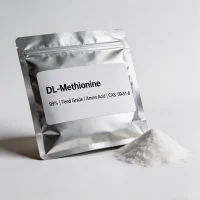
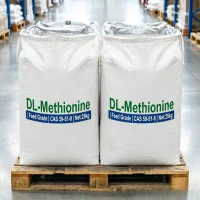
DL-Methionine CAS 59-51-8
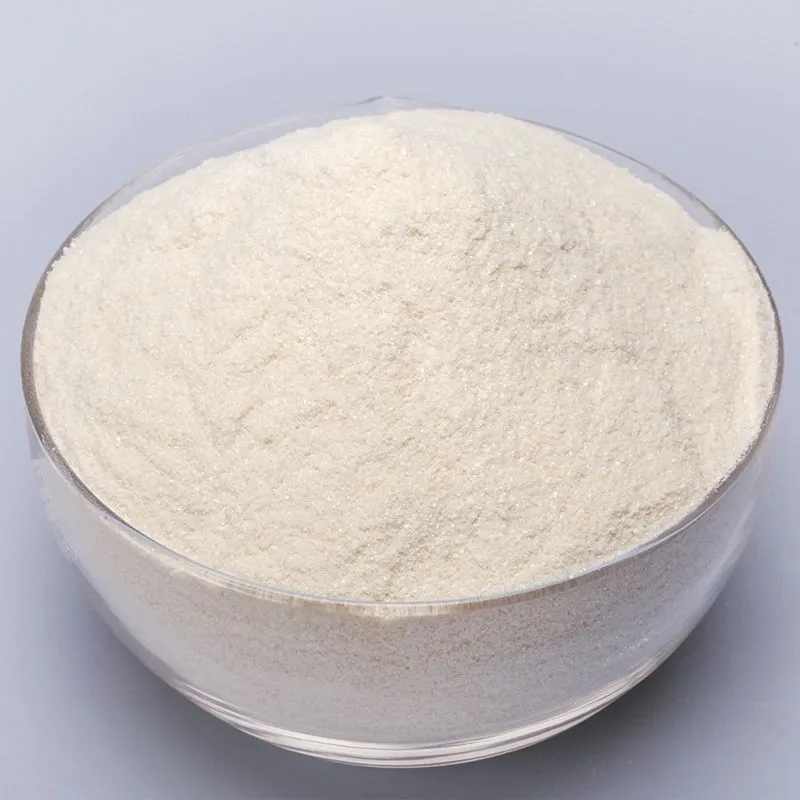
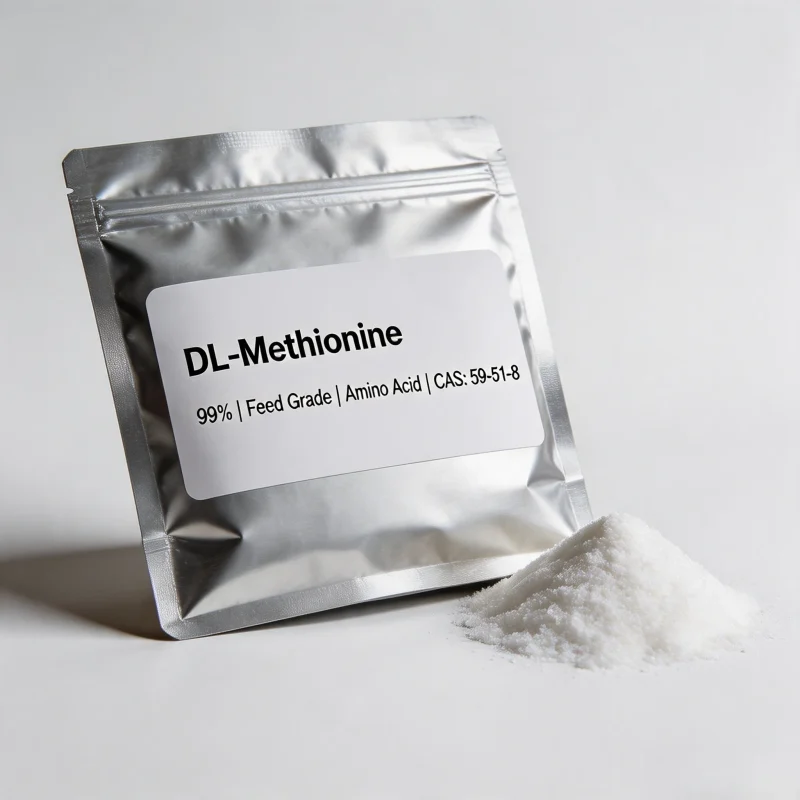
DL-Methionine is a racemic essential amino acid feed additive available as white crystalline powder or granules. As the first limiting amino acid in poultry and swine diets, it supports protein synthesis, muscle and feather development, and nitrogen utilization efficiency. Core uses include compound feed formulation, aquaculture nutrition, and food-grade fortification. UETChem supplies high-purity DL-methionine with consistent assay and low impurity profile for accurate dosing and reliable nutritional performance. Each shipment includes COA, TDS, SDS.
- CAS No: 59-51-8
- Synonyms: DL-2-Amino-4-(methylthio)butyric acid; DL-Met; Methionine racemate; Alimetine
- EC Number: 200-432-1
- Molecular Formula: C₅H₁₁NO₂S
- Molecular Weight: 149.21 g/mol
- Appearance: White to off-white crystalline powder or granules; slight characteristic sulfurous odor
- Purity (dried basis): ≥ 99.0%
- Loss on Drying: ≤ 0.5%
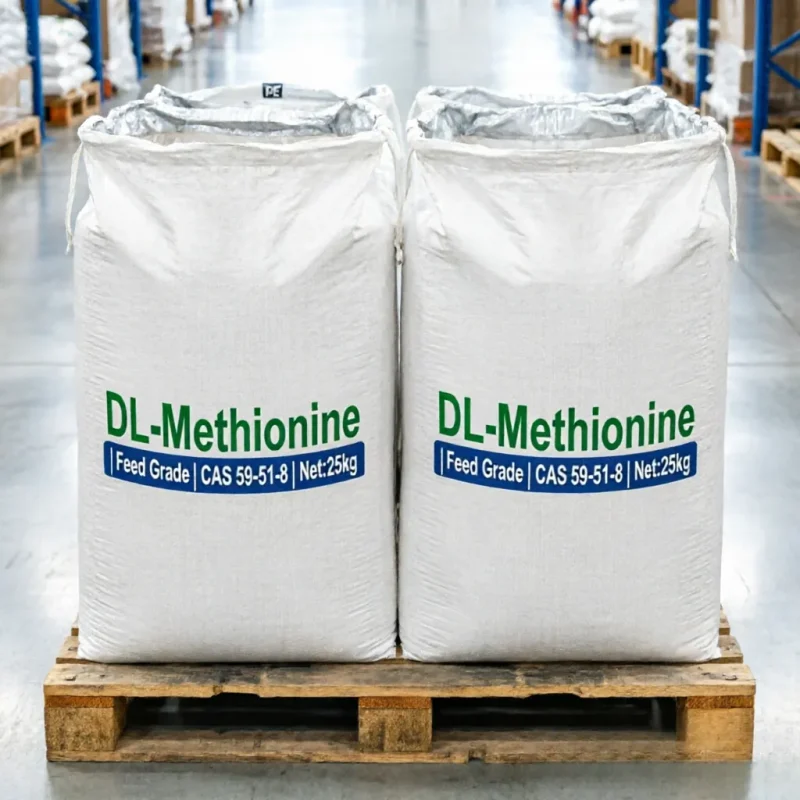
- Packaging: 25 kg multi-layer paper bag with PE liner; 500 kg / 1000 kg FIBC bulk bag. Custom packaging available upon request.
- Main Applications: Poultry & swine feed supplementation, aquaculture diet formulation, food-grade fortification, pharmaceutical synthesis intermediate
Introduction to DL-Methionine
DL-Methionine is the racemic mixture of D- and L-methionine, a sulfur-containing essential amino acid that animals cannot synthesize de novo. In compound feed, it addresses the first limiting amino acid deficiency in corn-soybean based diets, directly improving feed conversion ratio and breast muscle yield in broilers. Both enantiomers are bioavailable in monogastric animals, as D-methionine is converted to the L-form via hepatic enzymes, delivering equivalent nutritional value to pure L-methionine at lower production cost.
The thioether group is susceptible to oxidation under prolonged exposure to temperatures above 40 °C or high humidity, which can cause surface caking and slight yellowing. Proper sealed storage below 30 °C in dry, ventilated warehouses preserves assay and flowability for full shelf life.
DL-Methionine Chemical & Physical Properties
| Property | Value |
|---|---|
| Molecular Formula | C₅H₁₁NO₂S |
| Molecular Weight | 149.21 g/mol |
| Melting Point | 281 °C (with decomposition) |
| Crystal Density | Approx. 1.34 g/cm³ |
| Bulk Density | 0.65 – 0.75 g/cm³ |
| Solubility in Water | Approx. 33 g/L at 25 °C |
| pH (1% Solution) | 5.6 – 6.1 |
| Specific Rotation | −0.5° to +0.5° (racemic) |
| Assay (dried basis) | ≥ 99.0% |
| Heavy Metals (as Pb) | ≤ 10 ppm |
Applications of DL-Methionine
Poultry feed: Typically included at 0.15–0.35% in corn-soy diets to meet methionine + cysteine requirements. In broiler starter feeds, supplementation at 3.0–3.5 g/kg supports breast muscle accretion; in layer diets, it maintains sustained egg mass output. It can be mixed into premixes or added via micro-dosing systems.
Swine nutrition: Supplemented at 0.05–0.20% depending on dietary protein level. In low-crude-protein diets, it becomes the second limiting amino acid after lysine, improving nitrogen retention by 8–12% and reducing overall dietary protein requirements.
Aquaculture feed: Included at 0.1–0.3% in fishmeal-reduced formulations. Methionine is typically the first limiting amino acid when fishmeal drops below 20% of diet; supplementation improves growth and survival rates in shrimp and finfish during early growth stages.
Food-grade and pharmaceutical use: FCC/USP grade material serves as a nutritional fortifier in infant formula, medical nutrition products and sports supplements. Pharmaceutical grade is also used as a starting material for S-adenosylmethionine synthesis and hepatoprotective formulations.
Storage & Safety Precautions for DL-Methionine
- Keep sealed in original packaging at 5–30 °C with relative humidity below 70%. Avoid prolonged exposure above 40 °C to prevent caking and oxidative discoloration. Stack pallets to a maximum of 8 bags high for 25 kg units. Shelf life is 3 years under proper conditions.
- Not classified as hazardous under GHS. Use N95 dust masks and safety glasses during manual bag handling to avoid mild dust irritation. Mild sulfurous odor is normal and non-toxic. Flush eyes with water for 15 minutes in case of contact.
- Protect from rain and direct sunlight during transit. FIBC bags require pallet or sling handling; do not drag on rough surfaces to prevent packaging damage and moisture ingress.
DL-Methionine FAQ
Q: How does DL-Methionine compare to MHA in feed formulations?
A: DL-Methionine (99% active) delivers methionine directly, while MHA (88% liquid) requires hepatic oxidation to become active. On a molar basis, 1 kg DL-Methionine ≈ 1.12 kg MHA (88%). DL-Methionine is preferred for dry feed mixing; MHA suits liquid dosing systems.
Q: Can DL-Methionine withstand standard pelleting temperatures?
A: Yes. Thermal degradation below 100 °C is negligible. Standard pelleting at 70–85 °C with 10–20 second conditioning causes less than 0.5% loss, so no formulation adjustment is needed for pelleted or extruded feeds.
Q: Is slightly yellowed or caked DL-Methionine still usable?
A: Surface yellowing indicates mild thioether oxidation; slight caking comes from humidity absorption. If assay remains ≥ 98.5% and loss on drying ≤ 1.0%, the lot is acceptable for feed use. Reject food/pharma grade material if assay drops below 99.0%.
Related products
Manufacturer & Exporter Since 2006
Get Tailored Chemical Raw Material Solutions — Reply Within 1 Hour
Factory-direct pricing, stable high-purity supply and complete compliance documentation for your industrial formulations.
- 1000+Products
- 200+QC Protocols
- 7–15Days Delivery
- Factory-Direct Pricing
- COA / TDS / SDS Included
- Free Samples for Testing
- 40+ Export Countries
Request a Free Quote
Our engineers reply within 1 hour during GMT+8 business hours.
Please include in your inquiry:
- Product name or CAS number
- Required quantity
- Destination country or port
- Preferred packaging