
Industrial Grade 99% High Purity Melamine Cyanurate (MCA) CAS 37640-57-6
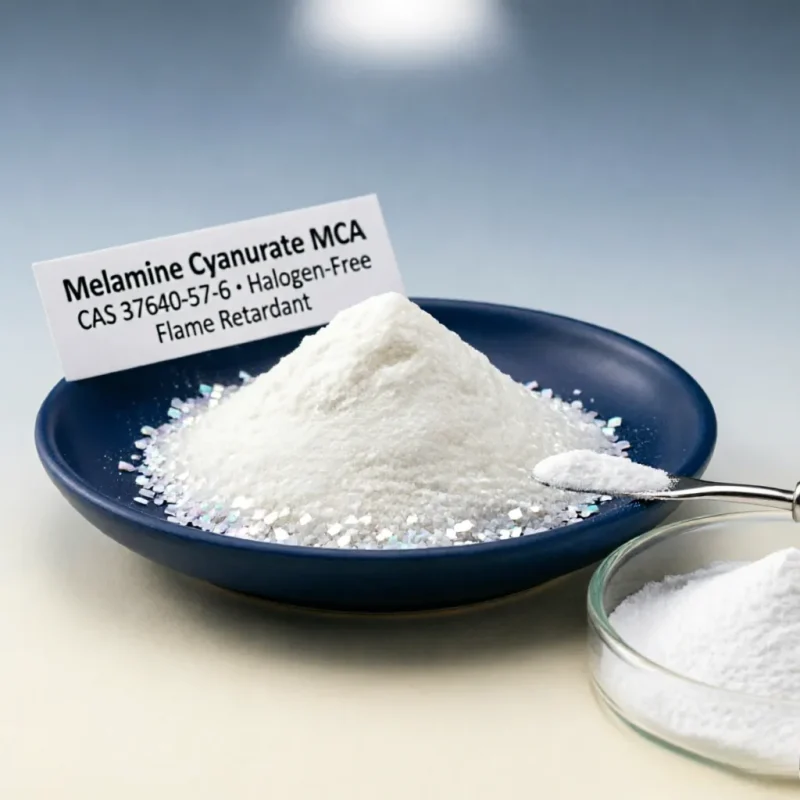
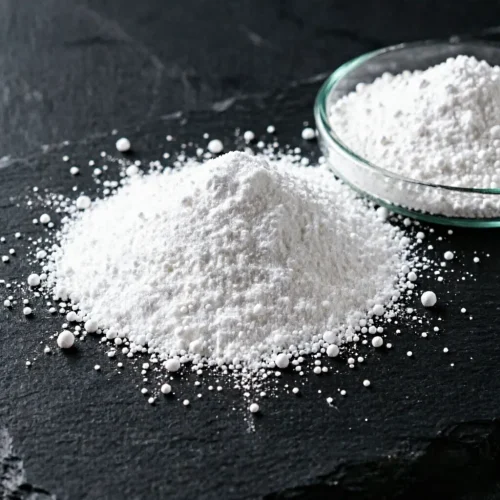
Melamine Cyanurate (MCA) is a high-efficiency, halogen-free flame retardant supplied as a high-purity white crystalline powder. Formed by the molecular compounding of melamine and cyanuric acid, it acts via an endothermic and intumescent charring mechanism, releasing non-combustible gases to suppress combustion. Core uses include engineering plastics (PA6, PA66, PBT), low-smoke zero-halogen (LSZH) cables, and fire-retardant coatings. Each shipment includes COA, TDS, and SDS.
- CAS No: 37640-57-6
- Synonyms: MCA, 1,3,5-Triazine-2,4,6-triamine, 1,3,5-triazine-2,4,6-triol (1:1), Melamine cyanuric acid
- EC Number: 253-575-7
- Molecular Formula: C6H9N9O3
- Molecular Weight: 255.19 g/mol
- Appearance: White crystalline powder
- Purity: ≥ 99.0%
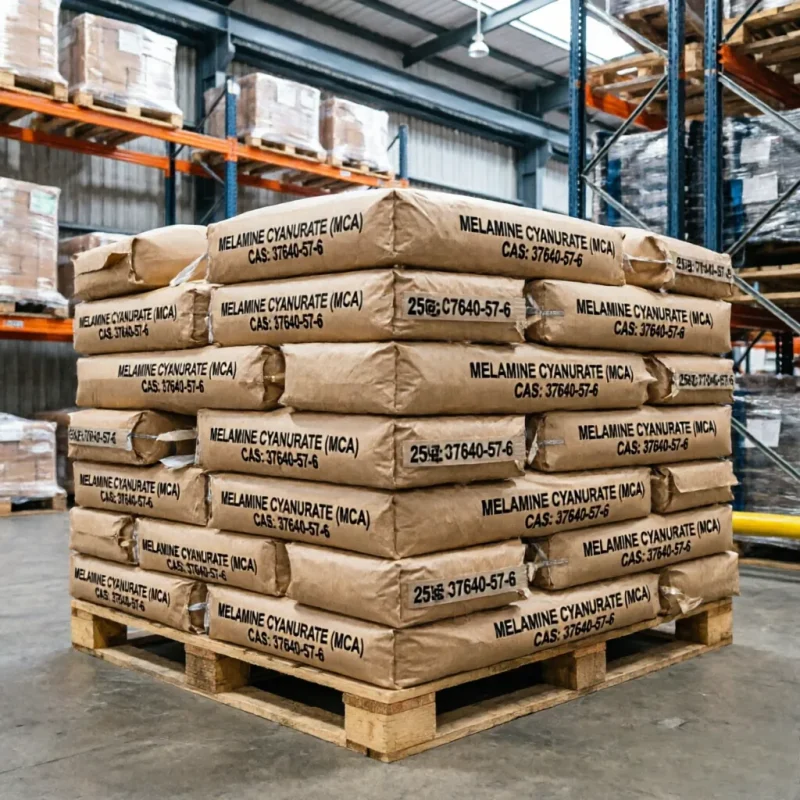
- Packaging: 25 kg (55 lb) kraft paper bag with PE liner; 500 kg (1100 lb) / 1000 kg (2200 lb) flexible jumbo bag. Custom packaging available upon request.
- Main Applications: Nylon (PA6/PA66) flame retardancy, LSZH wire & cable jacketing, polyurethane elastomers, intumescent coatings
Introduction to Melamine Cyanurate (MCA)
Melamine Cyanurate (MCA) is a nitrogen-based, halogen-free flame retardant synthesized through the supramolecular hydrogen-bonding reaction between melamine and cyanuric acid. When exposed to high temperatures or open flames, MCA undergoes endothermic decomposition, sublimating and releasing non-combustible gases (such as ammonia, water vapor, and nitrogen) that dilute oxygen and fuel concentrations in the combustion zone. Simultaneously, it promotes the formation of a protective carbonaceous char layer on the polymer surface, effectively blocking heat and mass transfer.
Due to its exceptional thermal stability and low moisture absorption, MCA is the industry standard for achieving UL94 V-0 ratings in unfilled polyamides (PA6 and PA66) and polybutylene terephthalate (PBT). It is highly valued in the electrical and electronics (E&E) sector for maintaining high Comparative Tracking Index (CTI) values. Store in a dry, well-ventilated warehouse below 40 °C (104 °F); although chemically stable, prolonged exposure to high humidity can cause powder caking and affect dispersion during extrusion.
Key Features of Melamine Cyanurate (MCA)
- Halogen-free and eco-friendly. Fully compliant with RoHS, REACH, and WEEE directives. Generates extremely low smoke and zero toxic/corrosive gases (like dioxins or hydrogen halides) during combustion, making it ideal for LSZH (Low-Smoke Zero-Halogen) applications.
- Superior thermal stability. Initial decomposition temperature exceeds 320 °C (608 °F), allowing safe processing in high-temperature engineering plastics without premature degradation or gas generation in the extruder barrel.
- Excellent electrical properties. Unlike many phosphorus or mineral-based flame retardants, MCA preserves the dielectric strength and yields a high CTI (Comparative Tracking Index ≥ 600V), crucial for high-voltage E&E components.
- Minimal impact on mechanical properties. Requires lower loading levels (typically 10–20%) compared to inorganic fillers like aluminum hydroxide, thereby preserving the tensile strength and impact resistance of the base polymer.
- High whiteness and color stability. With a whiteness index ≥ 95%, it causes minimal yellowing during injection molding, allowing manufacturers to easily produce light-colored or brightly dyed plastic parts.
Melamine Cyanurate Chemical & Physical Properties
| Property | Value |
|---|---|
| Molecular Formula | C6H9N9O3 |
| Molecular Weight | 255.19 g/mol |
| Decomposition Temperature | > 320 °C (> 608 °F) |
| Density | Approx. 1.55 g/cm³ (96.8 lb/ft³); bulk powder density 0.40–0.55 g/cm³ (25.0–34.3 lb/ft³) |
| Solubility | Slightly soluble in water (< 0.1% at 20 °C / 68 °F); practically insoluble in organic solvents. |
| Moisture Content | ≤ 0.2% |
| Whiteness | ≥ 95% |
| pH (aqueous suspension) | 5.0 – 7.0 |
| Average Particle Size (D50) | 2.0 – 5.0 µm (Customizable micronized grades available) |
Applications of Melamine Cyanurate
Engineering plastics (PA6, PA66, PBT): Add 10–25% (w/w) during twin-screw extrusion to achieve UL94 V-0 rating at 0.8 mm thickness. MCA is particularly effective in unfilled (non-glass-fiber) nylon systems, providing excellent flame retardancy while maintaining high CTI values for electrical connectors and circuit breakers.
LSZH wire and cable jacketing: Blended into polyolefins (PE/EVA) and thermoplastic elastomers at 15–30% loading. It ensures low smoke density and non-corrosive gas emission during fire events, meeting stringent IEC 61034 and IEC 60754 standards for public transit and building wiring.
Polyurethane and epoxy resins: Used as an additive in rigid PU foams and electronic encapsulants. It provides intumescent char formation without interfering with the isocyanate curing reaction, unlike some amine-based retardants.
Intumescent coatings and lubricants: Serves as a nitrogen source (gas-producing agent) in intumescent fire-retardant coatings for steel structures. Also utilized as a high-temperature solid lubricant additive in greases due to its layered supramolecular crystal structure.
Storage & Safety Precautions for Melamine Cyanurate
- Storage: Store in original sealed kraft bags or jumbo bags in a cool, dry, and well-ventilated warehouse below 40 °C (104 °F). Protect from rain and high humidity to prevent moisture uptake and caking. Keep away from strong oxidizing agents and strong acids. Shelf life is typically 24 months when stored properly.
- Safety: Not classified as hazardous under GHS. Non-toxic and non-irritating to the skin. However, as a fine organic powder, inhalation of dust clouds may cause mild respiratory discomfort. Wear standard N95 dust masks, safety goggles, and gloves during bulk weighing and silo loading. Ensure adequate dust extraction in the compounding area.
- Transport: Melamine Cyanurate is Non-DG under IATA/IMDG/ADR. No UN number, no packing group. Ship in standard dry containers. Avoid prolonged exposure to container temperatures exceeding 60 °C (140 °F) and prevent moisture ingress during ocean freight.
- QC note: Verify purity, moisture content (≤ 0.2%), and particle size distribution (D50) upon receipt. High moisture content will cause voids and surface defects (silver streaks) during plastic injection molding. Run a TGA (Thermogravimetric Analysis) to confirm the 1% weight loss temperature is above 300 °C (572 °F).
Melamine Cyanurate FAQ
Q: How does MCA compare to Melamine Polyphosphate (MPP) in glass-fiber reinforced PA66?
A: MCA is highly effective in unfilled PA6 and PA66. However, in glass-fiber reinforced systems, the “candle-wick effect” of the glass fibers can reduce MCA’s efficiency. For GF-reinforced PA66, MPP or metal phosphinates are generally preferred as they promote stronger char formation around the glass fibers to achieve UL94 V-0.
Q: Why am I seeing silver streaks or bubbles on my injection-molded nylon parts?
A: This is typically caused by excess moisture in the MCA powder or the nylon resin. MCA is slightly hygroscopic. Ensure the MCA and PA6/PA66 are thoroughly dried (e.g., 80–100 °C / 176–212 °F for 4 hours in a desiccant hopper dryer) before processing to eliminate trapped water vapor.
Q: Can MCA be used as a standalone flame retardant in Polyolefins (PE/PP)?
A: MCA alone has limited compatibility and efficiency in pure polyolefins due to the lack of charring sites. It is usually used in combination with a carbon source (like pentaerythritol) and an acid source (like ammonium polyphosphate, APP) to form a complete Intumescent Flame Retardant (IFR) system for PE and PP.
Related products
Manufacturer & Exporter Since 2006
Get Tailored Chemical Raw Material Solutions — Reply Within 1 Hour
Factory-direct pricing, stable high-purity supply and complete compliance documentation for your industrial formulations.
- 1000+Products
- 200+QC Protocols
- 7–15Days Delivery
- Factory-Direct Pricing
- COA / TDS / SDS Included
- Free Samples for Testing
- 40+ Export Countries
Request a Free Quote
Our engineers reply within 1 hour during GMT+8 business hours.
Please include in your inquiry:
- Product name or CAS number
- Required quantity
- Destination country or port
- Preferred packaging