
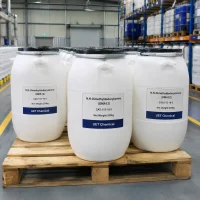
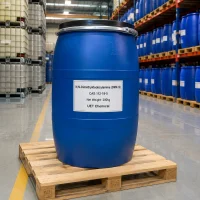
N,N-Dimethyldodecylamine (DMA12) CAS 112-18-5
N,N-Dimethyldodecylamine (DMA12) is a tertiary aliphatic amine with a linear C12 alkyl chain and dimethylamino functional group. It functions as a delayed-action catalyst for polyurethane foaming, a key intermediate for quaternary ammonium biocides, and a cationic emulsifier for asphalt formulations. UETChem supplies high-purity DMA12 with tight amine value and moisture controls, delivering consistent reactivity and batch-to-batch stability. Each shipment includes COA, TDS, SDS.
- CAS No: 112-18-5
- Synonyms: Lauryldimethylamine; DMA12; N,N-Dimethyl-1-dodecanamine; Dodecyldimethylamine
- EINECS: 203-943-8
- Molecular Formula: C14H31N
- Molecular Weight: 213.40 g/mol
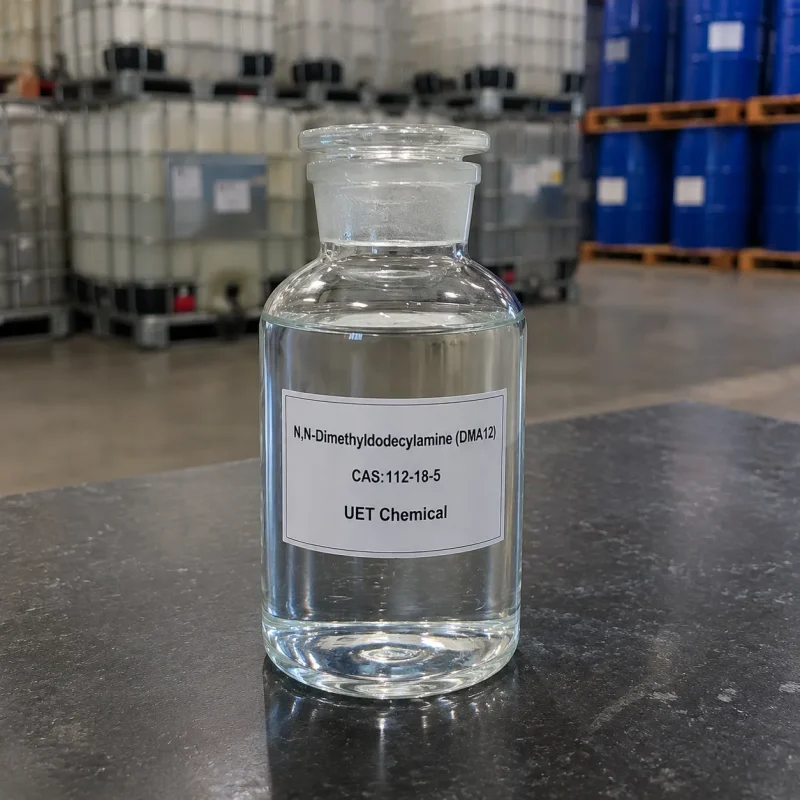
- Appearance: Colorless to pale yellow liquid
- Purity: 99.0% min (GC area normalization)
- Water Content: 0.20% max (Karl Fischer)
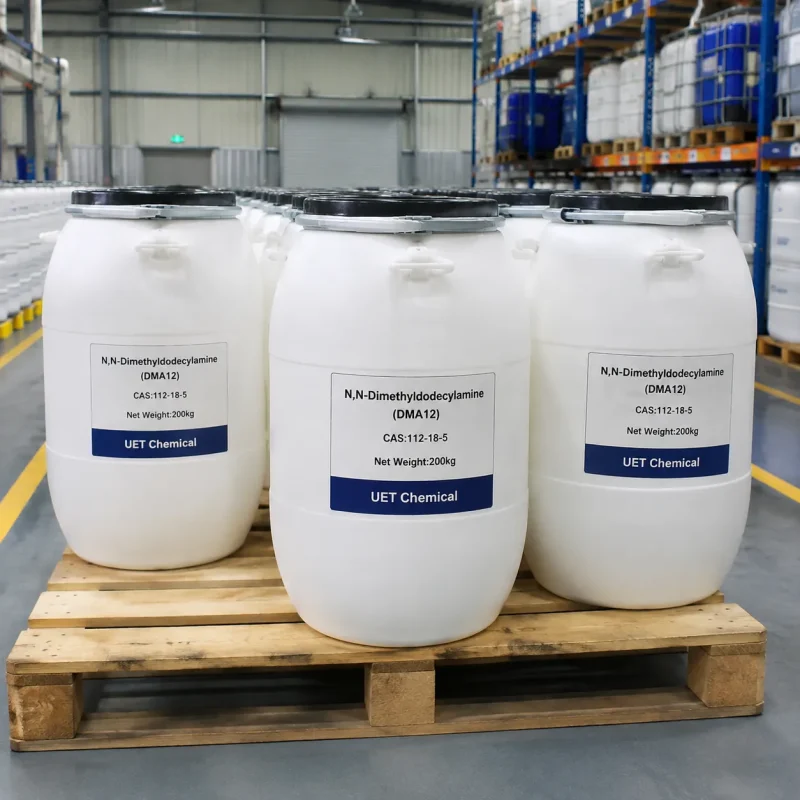
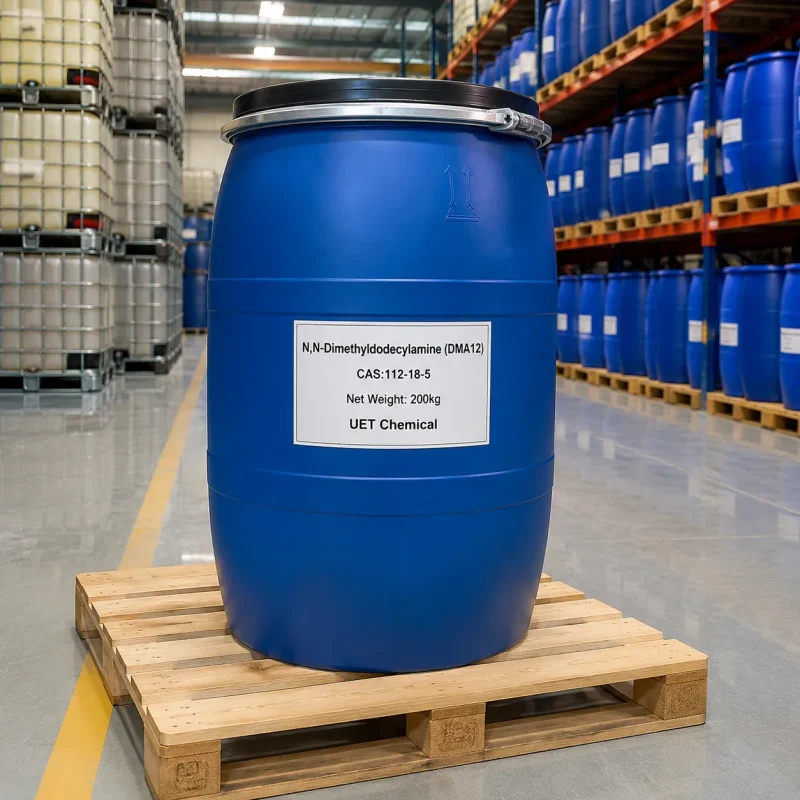
- Packaging: 160 kg HDPE drum, 800 kg IBC. Custom packaging available upon request.
- Main Applications: PU foam catalysts, biocide intermediates, asphalt emulsifiers, oilfield corrosion inhibitors
Introduction to DMA12
N,N-Dimethyldodecylamine is a liquid tertiary amine built on a 12-carbon straight alkyl chain linked to a dimethylamino headgroup. The long hydrophobic alkyl chain delivers full miscibility with non-polar polyols and resin systems. It appears as a colorless to pale yellow liquid at room temperature, with a characteristic fishy amine odor.
The compound readily undergoes quaternization with alkyl halides and acts as an organic base in catalytic reactions. It absorbs atmospheric carbon dioxide to form insoluble carbonate salts over open exposure, causing liquid turbidity and reduced active amine value.
DMA12 Chemical & Physical Properties
| Property | Value |
|---|---|
| Molecular Formula | C14H31N |
| Molecular Weight | 213.40 g/mol |
| Boiling Point | 255–260 °C (ASTM D1078) |
| Density (20 °C) | 0.820–0.830 g/cm³ (ASTM D4052) |
| Flash Point (Closed Cup) | 112 °C (ASTM D93) |
| Amine Value | 258–264 mg KOH/g (ASTM D2073) |
| Refractive Index (nD20) | 1.438–1.442 |
| Water Solubility | Insoluble |
Applications of DMA12
Polyurethane rigid foam catalysis: Serves as a delayed blowing catalyst in rigid PU foam formulations. The steric hindrance from the dodecyl chain slows the initial water-isocyanate reaction, extending cream time and improving flowability for large mold filling and continuous block foam production.
Quaternary ammonium biocide intermediate: Reacts with benzyl chloride to produce dodecyl dimethyl benzyl ammonium chloride, a widely used cationic biocide for industrial water treatment, disinfection, and antimicrobial formulations.
Asphalt emulsification: Converted into cationic emulsifiers for bitumen systems. The C12 alkyl chain anchors into bitumen droplets while the polar amine head stabilizes the water-bitumen interface, producing stable emulsions for road surfacing and maintenance.
Oilfield acidizing corrosion inhibitor: Blended into acidizing formulations for oil and gas well operations. The amine adsorbs onto steel pipe surfaces via the nitrogen lone pair, forming a hydrophobic barrier that reduces hydrochloric acid corrosion at downhole temperatures.
Storage & Safety Precautions for DMA12
- Store in tightly sealed HDPE drums or stainless steel tanks below 30 °C. Blanket bulk tanks with dry nitrogen to prevent carbon dioxide absorption and carbonate precipitation. Keep away from strong acids and oxidizing agents.
- Handle as a corrosive material. Wear face shields, heavy-duty butyl rubber gloves and chemical-resistant suits during bulk transfer. Use local exhaust ventilation to control amine vapors. Neutralize spills with dilute acetic acid before water rinsing.
- Warm drums to 25 °C with low-wattage band heaters before winter transfer, as viscosity increases significantly at low temperatures. This ensures accurate metering and prevents pump cavitation during dispensing.
DMA12 FAQ
Q: How do you test the amine value of N,N-Dimethyldodecylamine (DMA12)?
A: Tested via potentiometric titration per ASTM D2073. Sampled under nitrogen blanketing to avoid CO₂ interference, with values controlled at 258–264 mg KOH/g.
Q: Why does DMA12 turn cloudy in open drums?
A: It reacts with atmospheric CO₂ to form insoluble carbonate salts, causing turbidity and reduced amine value. Nitrogen blanketing prevents this issue.
Q: Does DMA12 cause fogging in cured polyurethane parts?
A: No. Its high boiling point and low volatility keep it fully incorporated in the PU matrix, eliminating fogging and residual odor in finished parts.
Related products
Manufacturer & Exporter Since 2006
Get Tailored Chemical Raw Material Solutions — Reply Within 1 Hour
Factory-direct pricing, stable high-purity supply and complete compliance documentation for your industrial formulations.
- 1000+Products
- 200+QC Protocols
- 7–15Days Delivery
- Factory-Direct Pricing
- COA / TDS / SDS Included
- Free Samples for Testing
- 40+ Export Countries
Request a Free Quote
Our engineers reply within 1 hour during GMT+8 business hours.
Please include in your inquiry:
- Product name or CAS number
- Required quantity
- Destination country or port
- Preferred packaging