
Rubber Antioxidant TMQ (RD) CAS 26780-96-1
Rubber Antioxidant TMQ is an amber to brown oligomeric dihydroquinoline rubber antidegradant built from 2,2,4-trimethyl-1,2-dihydroquinoline units, used mainly in tires, belts, hoses and seals. The polymeric amine structure gives low volatility and heat-oxygen aging protection in NR, SBR and BR compounds. Each lot is supplied with COA, TDS and SDS.
- CAS No.: 26780-96-1
- Synonyms: Polymerized 2,2,4-trimethyl-1,2-dihydroquinoline, TMQ, Antioxidant RD
- EINECS: 247-969-5
- Molecular Formula: (C12H15N)n
- Molecular Weight: 173.25 g/mol (repeat unit)
- Appearance: Amber to brown flakes or granules
- Purity: Active amine content ≥95% typical; batch COA reports actual value
- Softening Point: 70–90 °C (158–194 °F)
- Ash: ≤0.3%
- Heating Loss: ≤0.5%
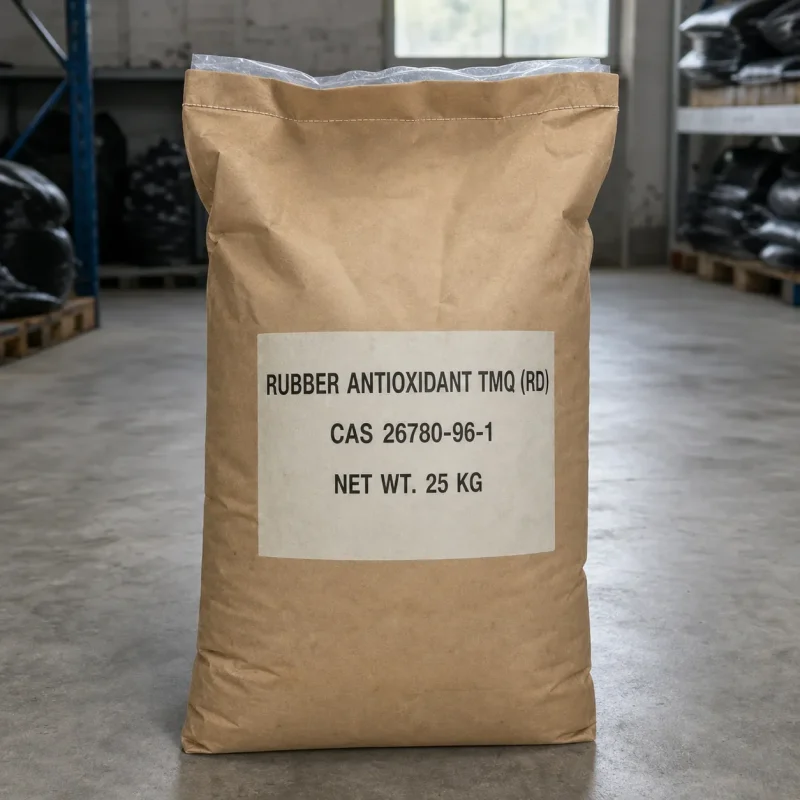
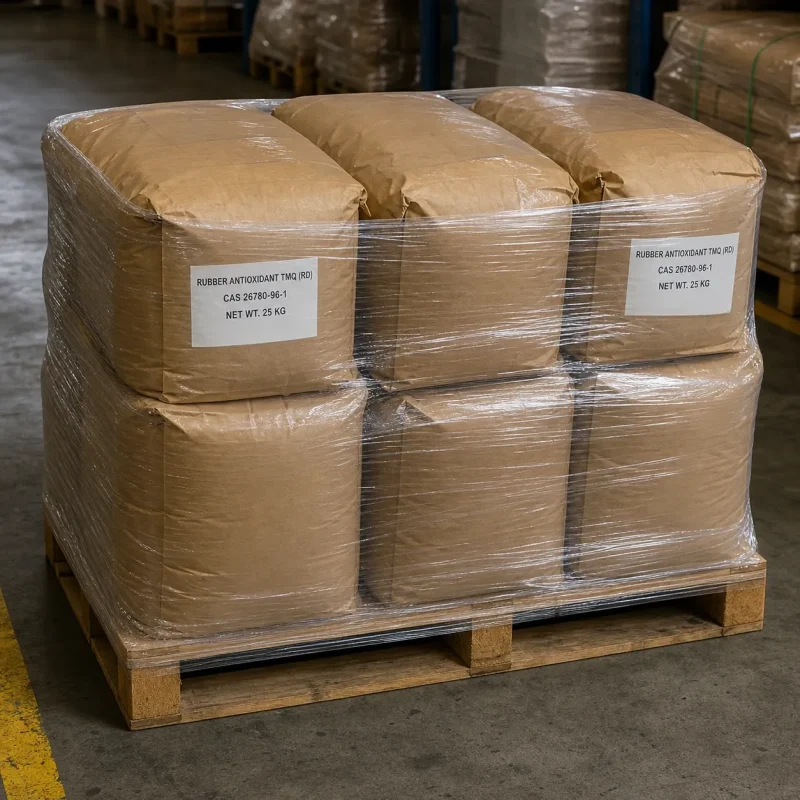
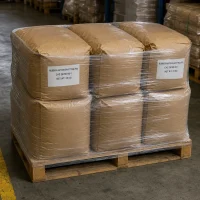
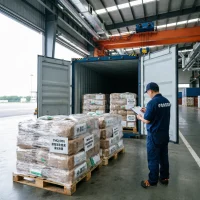
- Packaging: 25 kg (55 lb) woven bag with PE liner; jumbo bag optional. Custom packaging available upon request.
- Main Applications: Tires, belts, hoses, seals, footwear
Introduction to Rubber Antioxidant TMQ
Rubber Antioxidant TMQ is an amber to brown oligomeric dihydroquinoline antidegradant built from 2,2,4-trimethyl-1,2-dihydroquinoline units, supplied as flakes or granules. It interrupts heat-oxygen aging in unsaturated rubber, so it is used mainly in tire tread and carcass compounds and in conveyor belts, hoses and seals.
Compared with low-melting amine antioxidants, TMQ’s softening point of 70–90 °C (158–194 °F) keeps it dispersed during curing at 150–170 °C (302–338 °F), reducing volatility and bloom. The practical pitfall is hot, damp storage: open bags cake, darken and may lose dispersion quality; reseal partial bags and store below 35 °C (95 °F).
Key Features of TMQ
- Oligomeric low volatility: Polymerized TMQ units stay in the rubber during 150–170 °C (302–338 °F) curing, lowering loss by evaporation.
- Heat-oxygen aging control: The dihydroquinoline amine interrupts oxidative chain attack in NR, SBR and BR, helping retain tensile strength and elongation after hot-air aging.
- Low staining profile: The dihydroquinoline structure limits surface darkening, supporting engineered rubber parts with appearance requirements.
- Processing compatibility: It disperses in internal mixers and open mills; typical addition is 0.5–2.0 phr, added after rubber mastication but before curatives if scorch safety allows.
- Ozone system support: TMQ supports p-phenylenediamine antiozonants and wax by limiting oxidative depletion, often at 0.3–1.0 phr in blended systems.
TMQ Chemical & Physical Properties
| Property | Value |
|---|---|
| Molecular Formula | (C12H15N)n |
| Molecular Weight | 173.25 g/mol repeat unit; oligomer distribution varies |
| Appearance | Amber to brown flakes or granules |
| Active Content | ≥95% typical |
| Softening Point | 70–90 °C (158–194 °F) |
| Ash | ≤0.3% |
| Heating Loss | ≤0.5% |
| Boiling Point | Not applicable; oligomeric solid decomposes before boiling |
| Density | Bulk density about 0.45–0.70 g/cm³ (28–44 lb/ft³), packing dependent |
| Flash Point | Not applicable; keep dust away from ignition sources |
| Solubility | Soluble in acetone and toluene; insoluble in water |
Applications of TMQ
Tire tread and carcass: Dihydroquinoline amine units terminate oxidative radicals formed in NR, SBR and BR chains during heat and oxygen exposure, helping maintain tensile strength and fatigue resistance. Typical dose is 0.5–2.0 phr (parts per hundred rubber).
Conveyor belts and industrial goods: TMQ limits hot-air aging and flex-fatigue hardening in heavily filled NR/BR compounds. Typical dose is 1.0–3.0 phr, often paired with wax or 6PPD for outdoor ozone exposure.
Hoses and seals: The antioxidant slows thermal oxidation of the elastomer network, limiting hardness increase, embrittlement and compression-set drift. Typical dose is 0.5–2.0 phr.
Heat-resistant rubber compounds: For parts operating around 100–120 °C (212–248 °F), TMQ helps retain elongation and crack resistance after aging. Typical dose is 1.5–3.0 phr, confirmed by hot-air aging tests.
Storage & Safety Precautions for TMQ
Storage: Keep bags sealed at 5–35 °C (41–95 °F), dry and away from direct sunlight. TMQ softens and cakes when exposed to heat, pressure or damp conditions; damp flakes can darken and disperse poorly. Store away from strong oxidizers, strong acids and open flames. Do not leave torn bags on damp floors because amine dust can become slippery and difficult to clean.
Safety: Typical GHS handling classification includes Skin Sens. 1, and some regional inventories also classify TMQ as an aquatic hazard; confirm destination-country SDS. Wear nitrile gloves, goggles and a P2/N95 respirator when handling powder or dusty flakes. For spills, collect material into a labeled drum, avoid dry sweeping, and prevent entry into drains.
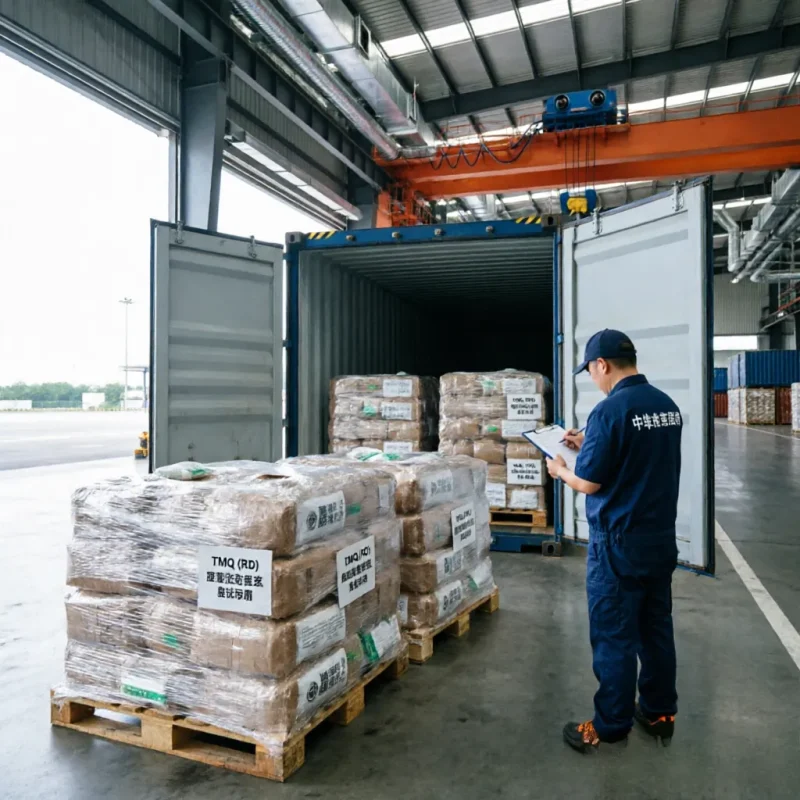
Transport: Non-DG for sealed solid packaging. Verify local rubber-chemical or environmental rules before export.
QC practice: Before loading, check ash per ISO 2415 and softening point per ASTM E28. Sieve a small sample; caked flakes, black specks or a softening point below the COA range indicate heat or moisture exposure.
TMQ FAQ
Q: Is CAS 26780-96-1 TMQ suitable for light-colored rubber parts?
A: Yes, but test staining. TMQ is low-staining for an amine antidegradant. Start at 0.5–1.0 phr, cure, then heat-age and compare color change to control.
Q: Why does TMQ cake in storage?
A: Softening point is 70–90 °C. Hot storage, sunlight or pressure can soften flakes, then cake. Store below 35 °C, seal bags, and sieve lumps before use.
Q: Can TMQ replace 6PPD for ozone protection?
A: No. TMQ mainly controls heat-oxygen aging. Use it with 6PPD/4020 or wax for ozone. Typical TMQ is 0.5–2.0 phr; ozone antidegradant dose stays separate.
Related products
Manufacturer & Exporter Since 2006
Get Tailored Chemical Raw Material Solutions — Reply Within 1 Hour
Factory-direct pricing, stable high-purity supply and complete compliance documentation for your industrial formulations.
- 1000+Products
- 200+QC Protocols
- 7–15Days Delivery
- Factory-Direct Pricing
- COA / TDS / SDS Included
- Free Samples for Testing
- 40+ Export Countries
Request a Free Quote
Our engineers reply within 1 hour during GMT+8 business hours.
Please include in your inquiry:
- Product name or CAS number
- Required quantity
- Destination country or port
- Preferred packaging