
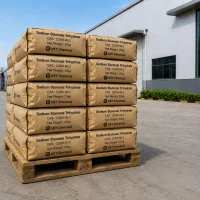
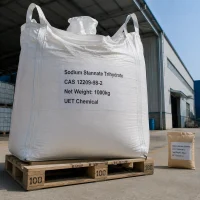
Sodium Stannate Trihydrate CAS 12209-98-2
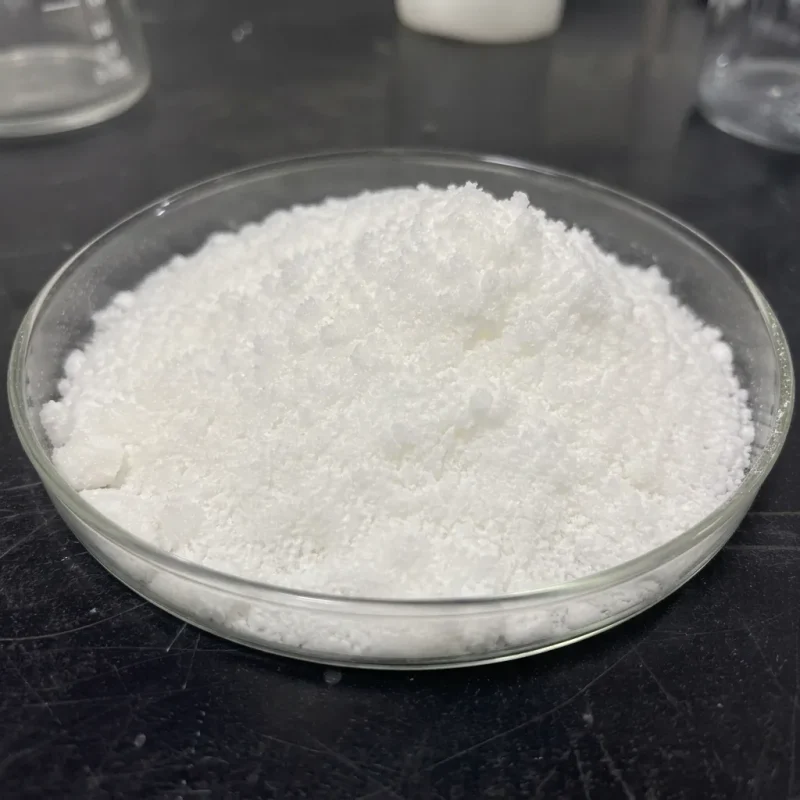
Sodium Stannate Trihydrate is an inorganic coordination compound supplied as white to off-white crystalline powder. Its stable hexahydroxostannate complex provides soluble tin(IV) ions in highly alkaline environments, making it essential for alkaline tin electroplating, PET polymerization catalysts and flame retardant precursor production. UETChem supplies this product with strict control over tin content and free alkali, ensuring stable process performance. Each shipment includes COA, TDS, SDS.
- CAS No: 12209-98-2
- Synonyms: Sodium hexahydroxostannate(IV); Disodium hexahydroxystannate; Na₂SnO₃·3H₂O
- EC Number: 234-723-6
- Molecular Formula: Na₂SnO₃·3H₂O / Na₂[Sn(OH)₆]
- Molecular Weight: 266.73 g/mol
- Appearance: White to off-white crystalline powder or granules
- Tin (Sn) Content: ≥ 39.0%
- Free Alkali (as NaOH): ≤ 1.0%
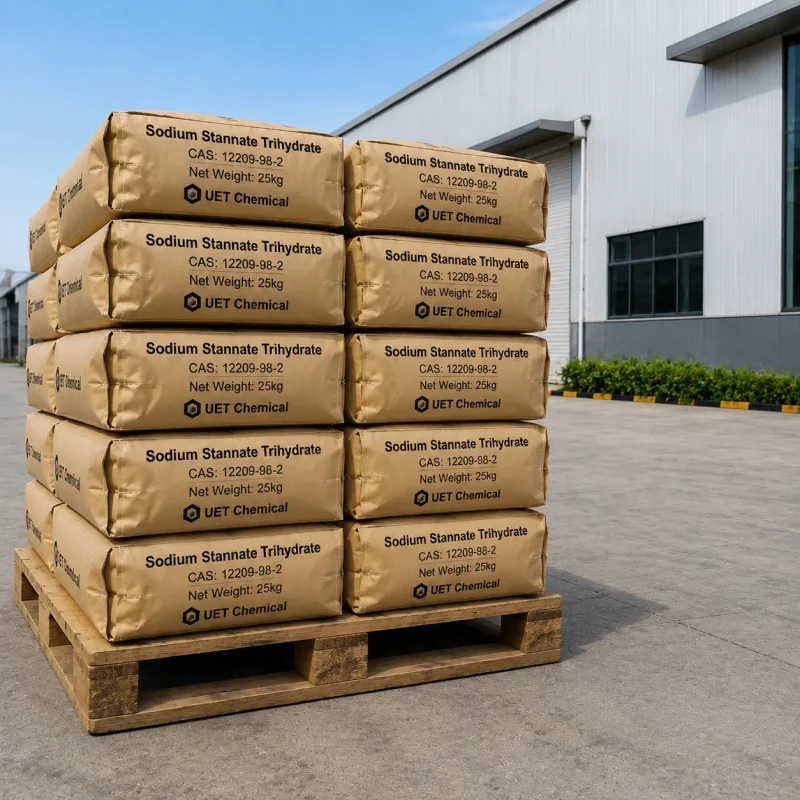
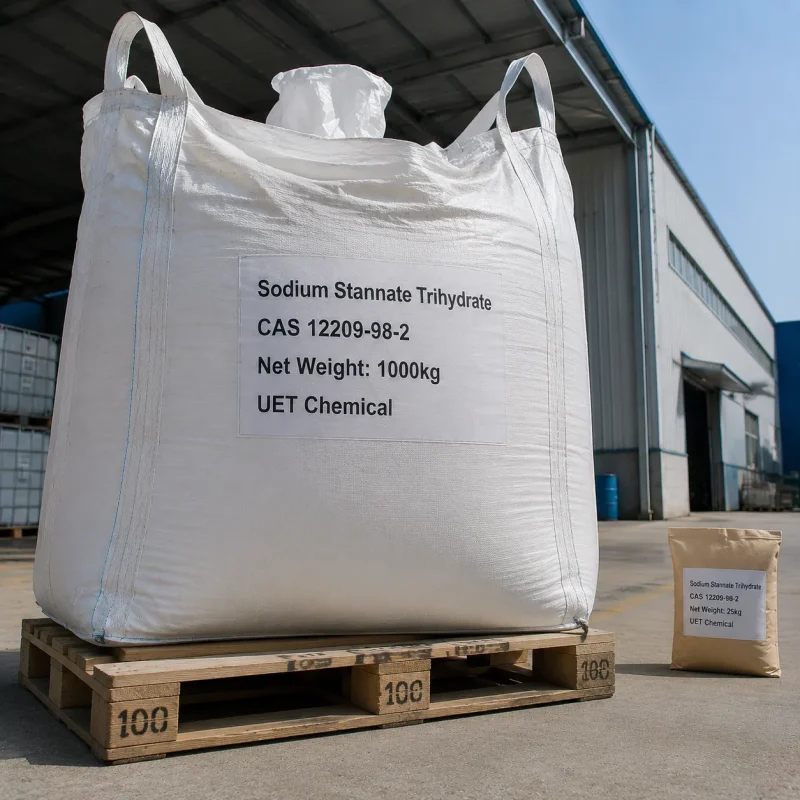
- Packaging: 25 kg woven PP bag / fiber drum with PE liner. Custom packaging available upon request.
- Main Applications: Alkaline tin electroplating, PET resin catalyst, ceramic glazes, zinc stannate precursor
Introduction to Sodium Stannate Trihydrate
Sodium Stannate Trihydrate is an inorganic compound with tin in the +4 oxidation state, stabilized by six hydroxyl groups in an octahedral [Sn(OH)₆]²⁻ structure. It is highly alkaline and serves as the primary soluble tin source for alkaline industrial processes, most widely used in electroplating baths and PET resin polymerization.
It dissolves well in strongly alkaline solutions, providing stable tin ions for uniform electrodeposition. The material is sensitive to atmospheric carbon dioxide, which forms insoluble crusts and degrades performance. Store containers tightly sealed in dry conditions and avoid exposure to acids.
Sodium Stannate Trihydrate Chemical & Physical Properties
| Property | Value |
|---|---|
| Molecular Formula | Na₂SnO₃·3H₂O |
| Molecular Weight | 266.73 g/mol |
| Appearance | White to off-white crystalline powder |
| pH (5% Aqueous Solution) | ≥ 12.0 (strongly alkaline) |
| Tin Content | ≥ 39.0% |
| Free Alkali | ≤ 1.0% |
| Heavy Metals (as Pb) | ≤ 10 ppm |
Applications of Sodium Stannate Trihydrate
Alkaline tin electroplating: Used as the primary tin source in cyanide-free stannate baths for steel strip tinning and electronic component plating. Operates at 60–90 °C with high cathode efficiency, yielding corrosion-resistant deposits with good throwing power.
PET resin catalyst: Dosed at 10–50 ppm (as Sn) in PET esterification and polycondensation stages. Produces bright, high-clarity polyester for beverage bottles and fibers without heavy metal contamination.
Ceramics and glass: Added to frits and glazes to lower melting points and improve chemical durability. Also used in glass polishing slurries for ultra-smooth optical surfaces.
Flame retardant precursors: Reacted with zinc or magnesium salts to precipitate stannate-based smoke suppressants, which are effective non-toxic additives for PVC and wire/cable compounds.
Storage & Safety Precautions for Sodium Stannate Trihydrate
- Keep tightly sealed in a cool, dry warehouse. The product is highly sensitive to atmospheric CO₂, which forms insoluble crusts. Reseal liners immediately after use. Keep away from acids and oxidizing agents.
- Classified as corrosive due to high alkalinity. Causes severe skin burns and eye damage. Wear rubber gloves, chemical splash goggles and an apron during handling. Rinse immediately with plenty of water for at least 15 minutes in case of contact.
- Verify tin content and free alkali upon receipt. Severe caking or failure to dissolve in dilute NaOH indicates carbonation during transit.
Sodium Stannate Trihydrate FAQ
Q: How does Sodium Stannate Trihydrate differ from stannous sulfate in electroplating?
A: Sodium Stannate Trihydrate provides Sn(IV) for alkaline baths, yielding highly corrosion-resistant deposits with excellent throwing power for complex shapes. Stannous sulfate provides Sn(II) for acidic baths, which plate faster but offer lower corrosion protection.
Q: Why did my plating bath form white precipitate when using Sodium Stannate Trihydrate?
A: This is caused by a drop in free alkalinity (pH < 12) or CO₂ absorption from air, which converts soluble stannate into insoluble stannic acid/hydroxide. Maintain adequate NaOH/KOH levels and cover the bath when idle.
Q: Can Sodium Stannate Trihydrate be used directly as a flame retardant in plastics?
A: No. It is a precursor material. It must be reacted in solution to precipitate zinc or magnesium stannate, which act as effective smoke suppressants and flame retardant synergists in PVC and cable compounds.
Related products
Manufacturer & Exporter Since 2006
Get Tailored Chemical Raw Material Solutions — Reply Within 1 Hour
Factory-direct pricing, stable high-purity supply and complete compliance documentation for your industrial formulations.
- 1000+Products
- 200+QC Protocols
- 7–15Days Delivery
- Factory-Direct Pricing
- COA / TDS / SDS Included
- Free Samples for Testing
- 40+ Export Countries
Request a Free Quote
Our engineers reply within 1 hour during GMT+8 business hours.
Please include in your inquiry:
- Product name or CAS number
- Required quantity
- Destination country or port
- Preferred packaging