
Ascorbyl Glucoside (AA2G) CAS 129499-78-1
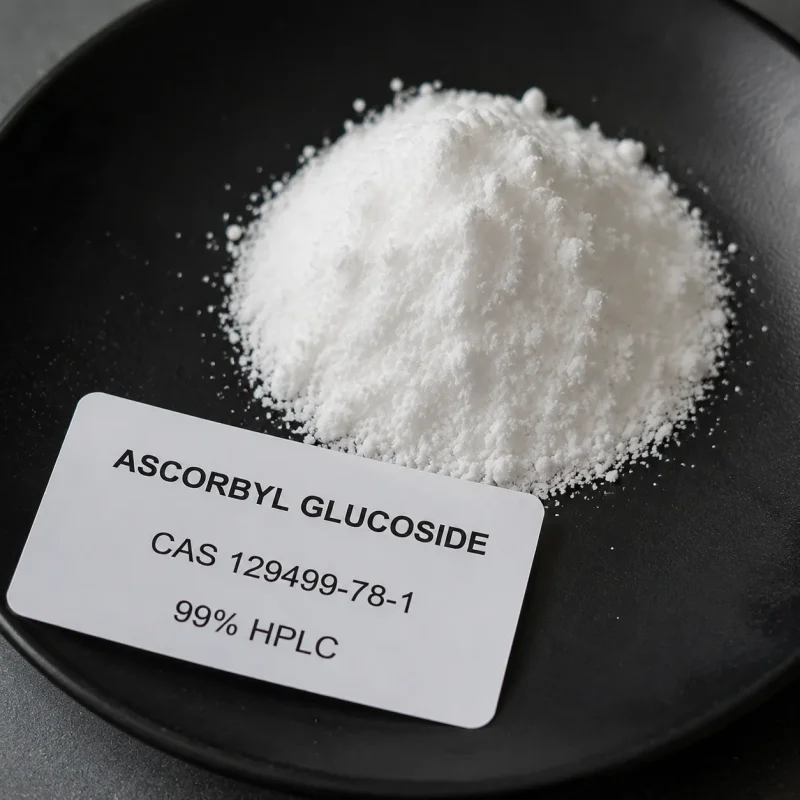
Ascorbyl Glucoside (AA2G) is a highly stable Vitamin C derivative supplied as a white to off-white crystalline powder. By glycosylating the C-2 hydroxyl group of L-ascorbic acid, it resists oxidation, light, and heat degradation while delivering sustained active Vitamin C release upon enzymatic hydrolysis. Core uses include cosmetic skin-brightening formulations, anti-aging serums, and stable dietary supplement fortification. Each shipment includes COA, TDS, and SDS.
- CAS No: 129499-78-1
- Synonyms: AA2G, 2-O-alpha-D-Glucopyranosyl-L-ascorbic acid, Ascorbic acid 2-glucoside
- EC Number: N/A
- Molecular Formula: C12H18O11
- Molecular Weight: 338.26 g/mol
- Appearance: White to off-white crystalline powder
- Purity (HPLC): ≥ 98.0%
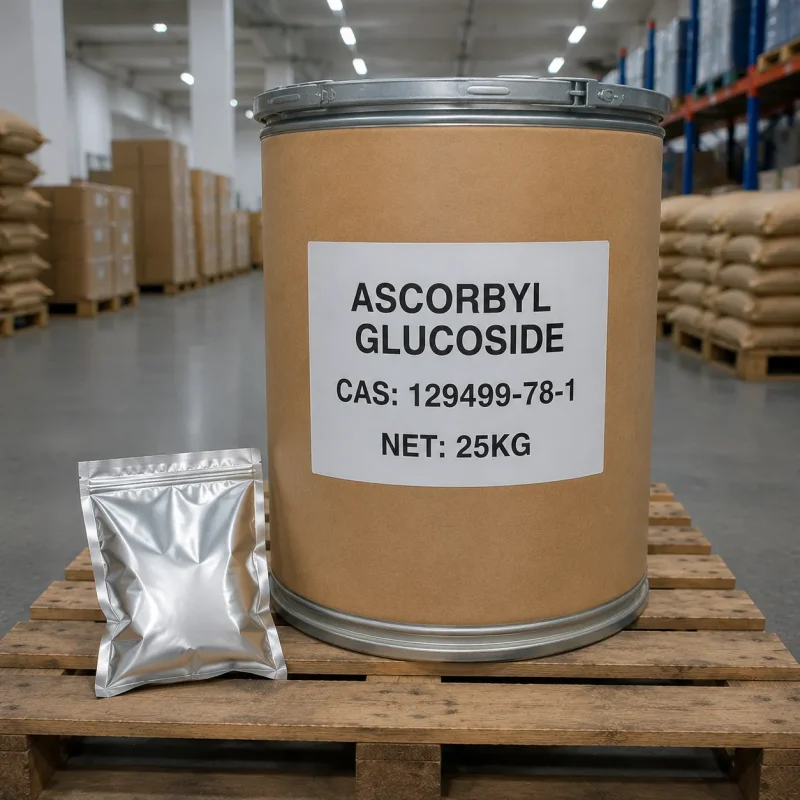
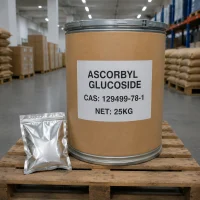
- Packaging: 1 kg (2.2 lb) aluminum foil bag; 5 kg (11 lb) aluminum foil bag; 25 kg (55 lb) fiber drum with PE liner. Custom packaging available upon request.
- Main Applications: Cosmetic skin-lightening actives, anti-aging creams, stable Vitamin C dietary supplements, functional beverages
Introduction to Ascorbyl Glucoside (AA2G)
Ascorbyl Glucoside (AA2G) is an advanced, stabilized derivative of L-ascorbic acid synthesized by bonding a glucose molecule to the C-2 hydroxyl group of the ascorbate ring. This structural modification completely blocks the primary site of oxidation, rendering AA2G exceptionally stable against light, heat, oxygen, and metal ions—issues that rapidly degrade pure Vitamin C and cause formulation yellowing. When applied to the skin or ingested, AA2G remains intact until it encounters alpha-glucosidase enzymes, which gradually hydrolyze the glycosidic bond to release active L-ascorbic acid and glucose.
This sustained-release mechanism provides prolonged antioxidant protection, continuous collagen synthesis stimulation, and effective tyrosinase inhibition without the severe skin irritation or rapid degradation associated with raw ascorbic acid. AA2G is highly water-soluble, easy to formulate, and compatible with a wide pH range, making it a premium active ingredient for high-end cosmetic and nutraceutical manufacturers. Store in sealed, moisture-proof packaging below 25 °C (77 °F) to maintain optimal stability and prevent caking.
Key Features of Ascorbyl Glucoside (AA2G)
- Exceptional formulation stability. Unlike pure L-ascorbic acid, AA2G does not oxidize or turn brown/yellow when exposed to UV light, heat, or aqueous environments, ensuring a long shelf life and pristine product appearance.
- Sustained Vitamin C delivery. The gradual enzymatic cleavage by skin and intestinal alpha-glucosidases provides a continuous, long-lasting supply of active Vitamin C, maximizing cellular uptake and efficacy.
- Excellent skin tolerance. With a near-neutral pH profile in formulation and non-irritating properties, AA2G is ideal for sensitive skin types, avoiding the stinging and erythema caused by highly acidic pure Vitamin C serums.
- High water solubility and broad pH compatibility. Dissolves readily in the aqueous phase of emulsions and serums. Effective across a broader pH range (4.5–7.0) compared to pure ascorbic acid, which requires a pH below 3.5 for skin penetration.
- Potent tyrosinase inhibition. Effectively suppresses melanin synthesis in melanocytes, making it a highly sought-after active for skin-brightening, hyperpigmentation correction, and age-spot reduction products.
Ascorbyl Glucoside Chemical & Physical Properties
| Property | Value |
|---|---|
| Molecular Formula | C12H18O11 |
| Molecular Weight | 338.26 g/mol |
| Melting Point | Approx. 190 °C (374 °F) with decomposition |
| Density | Crystal density approx. 1.65 g/cm³ (103.0 lb/ft³); bulk powder density 0.60–0.80 g/cm³ (37.5–50.0 lb/ft³). |
| Solubility in Water | Highly soluble, > 100 g/L at 25 °C (77 °F); slightly soluble in methanol; insoluble in non-polar solvents. |
| pH (10% aqueous solution) | 2.5 – 4.0 |
| Specific Rotation | [α]²⁰_D = +75.0° to +85.0° (c = 2.0, H₂O) |
| Loss on Drying | ≤ 1.0% |
| Heavy Metals (as Pb) | ≤ 10 ppm |
| Arsenic (As) | ≤ 3 ppm |
Applications of Ascorbyl Glucoside (AA2G)
Cosmetic skin-brightening and anti-aging formulations: Incorporated at 1.0–2.0% w/w into serums, creams, and lotions. It targets hyperpigmentation by inhibiting tyrosinase activity and promotes collagen synthesis to reduce fine lines. Formulators can blend it into the cool-down phase (below 40 °C / 104 °F) of emulsions to preserve enzymatic activation potential on the skin.
Stable dietary supplements and gummies: Used as a premium, non-acidic Vitamin C source in chewable tablets, gummies, and effervescent powders. Its stability prevents the degradation of active Vitamin C during the high-heat extrusion and drying processes of gummy manufacturing, ensuring accurate label claims throughout the product’s shelf life.
Functional beverages and liquid fortification: Dissolves cleanly into clear or opaque functional drinks without causing metallic off-tastes or rapid oxidation. Provides a stable antioxidant profile in liquid matrices where pure ascorbic acid would rapidly degrade and compromise the beverage’s flavor and color.
Storage & Safety Precautions for Ascorbyl Glucoside (AA2G)
- Storage: Keep tightly sealed in original aluminum foil bags or fiber drums in a cool, dry, and well-ventilated warehouse below 25 °C (77 °F). Protect from high humidity and direct sunlight. Although highly stable, prolonged exposure to extreme moisture can cause the powder to cake. Shelf life is typically 24 months under proper conditions.
- Safety: Non-toxic and non-hazardous. Generally Recognized As Safe (GRAS) for food and cosmetic use. Avoid generating excessive dust during bulk handling. Wear standard PPE (dust mask, safety glasses, gloves) during weighing and blending operations.
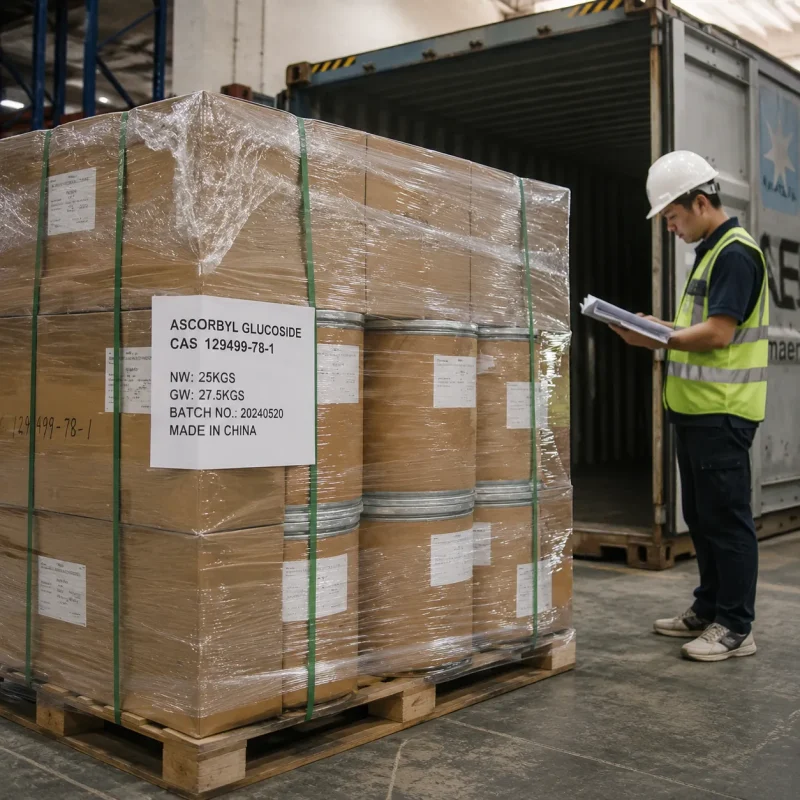
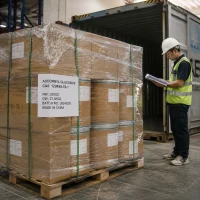
- Transport: Ascorbyl Glucoside is Non-DG under IATA/IMDG/ADR. No UN number, no packing group. Standard dry container shipping is acceptable. Ensure packaging is waterproofed to prevent moisture ingress during ocean transit.
- QC note: Upon receipt, verify purity via HPLC (target ≥ 98.0%) and check the loss on drying (≤ 1.0%). A noticeable yellow or brown tint indicates moisture-induced degradation or contamination—request a replacement if the powder is not white to off-white.
Ascorbyl Glucoside (AA2G) FAQ
Q: How does Ascorbyl Glucoside (CAS 129499-78-1) compare to pure L-Ascorbic Acid in cosmetic serums?
A: Pure L-Ascorbic Acid is highly unstable, oxidizes rapidly (turning brown), and requires a very low pH (< 3.5) to penetrate the skin, which causes severe stinging and irritation. AA2G is highly stable, does not discolor, and works effectively at a skin-friendly pH (4.5–7.0). While AA2G requires skin enzymes to convert it to active Vitamin C, it provides a sustained, irritation-free release that is much better tolerated by consumers.
Q: Can AA2G be used in high-temperature manufacturing processes like gummy extrusion?
A: Yes. Unlike pure Vitamin C, which degrades rapidly above 60 °C (140 °F), AA2G possesses excellent thermal stability. It can withstand the moderate heat and moisture involved in gummy candy manufacturing and tablet compression without significant loss of Vitamin C activity, ensuring accurate nutritional labeling.
Q: What is the difference between AA2G and Sodium Ascorbyl Phosphate (SAP)?
A: Both are stable Vitamin C derivatives, but they function differently. SAP is primarily known for its strong antimicrobial properties and is widely used in acne-treatment formulations. AA2G, on the other hand, is specifically prized for its superior skin-brightening (tyrosinase inhibition) and sustained anti-aging effects. AA2G also generally offers better clarity and stability in neutral pH liquid formulations compared to SAP, which can sometimes precipitate in the presence of certain divalent cations.
Related products
Manufacturer & Exporter Since 2006
Get Tailored Chemical Raw Material Solutions — Reply Within 1 Hour
Factory-direct pricing, stable high-purity supply and complete compliance documentation for your industrial formulations.
- 1000+Products
- 200+QC Protocols
- 7–15Days Delivery
- Factory-Direct Pricing
- COA / TDS / SDS Included
- Free Samples for Testing
- 40+ Export Countries
Request a Free Quote
Our engineers reply within 1 hour during GMT+8 business hours.
Please include in your inquiry:
- Product name or CAS number
- Required quantity
- Destination country or port
- Preferred packaging