
Ferrous Fumarate CAS 141-01-5
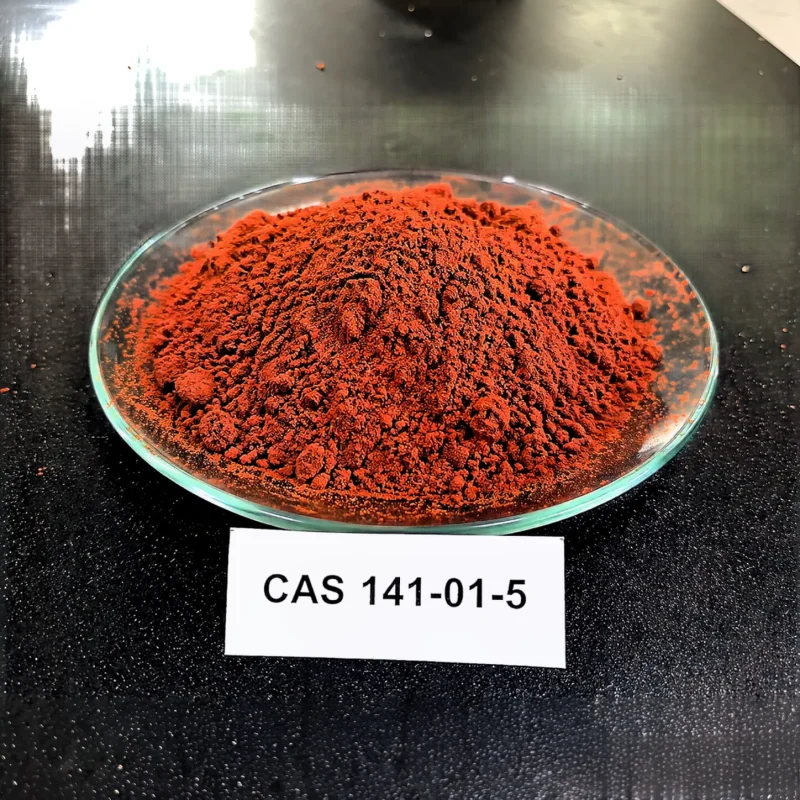
Ferrous Fumarate is a highly bioavailable organic iron(II) supplement supplied as an orange to reddish-brown fine powder. With an elemental iron content of approximately 33%, it provides superior gastrointestinal tolerance and absorption compared to many inorganic iron salts. Core uses include pharmaceutical hematinics, dietary supplement tablets, food fortification, and animal feed premixes. Each shipment includes COA, TDS, and SDS.
- CAS No: 141-01-5
- Synonyms: Iron(II) fumarate, 2-Butenedioic acid iron(2+) salt, Hematinic agent, Fumaric acid iron salt
- EC Number: 205-454-2
- Molecular Formula: C4H2FeO4
- Molecular Weight: 169.90 g/mol
- Appearance: Orange to reddish-brown or pinkish-orange fine powder
- Iron (Fe) Content: 32.0% – 33.5% (on dried basis)
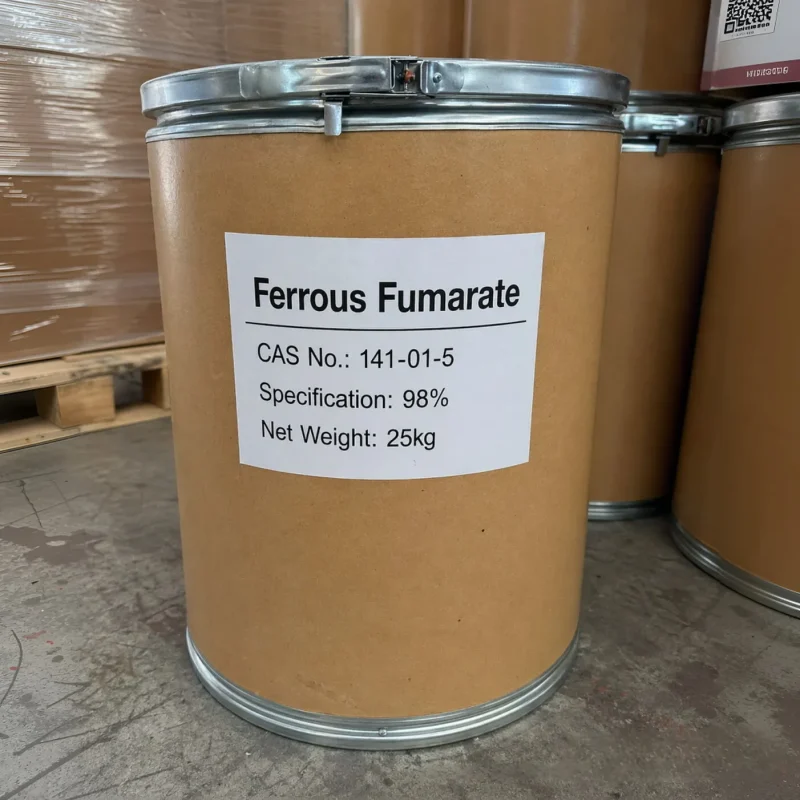
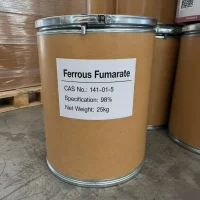
- Packaging: 25 kg (55 lb) multi-wall kraft paper bag with PE liner; 25 kg (55 lb) fiber drum with PE liner. Custom packaging available upon request.
- Main Applications: Nutritional supplements (tablets/capsules), food fortification (cereals, flour), animal feed anti-anemia premixes, pharmaceutical APIs
Introduction to Ferrous Fumarate
Ferrous Fumarate is the iron(II) salt of fumaric acid, widely recognized in the pharmaceutical and nutrition industries as a premium source of bioavailable iron. Unlike inorganic salts such as ferrous sulfate, the organic fumarate matrix protects the ferrous ion (Fe²⁺) from premature oxidation and reduces direct irritation to the gastric mucosa. Upon reaching the acidic environment of the stomach, it dissociates efficiently, allowing for high intestinal absorption rates. Its distinctive orange-red color and lack of a strong metallic aftertaste make it a preferred choice for solid oral dosage forms and dry food matrices.
The primary handling concern in B2B operations is moisture control. While highly stable in dry blends, exposure to high humidity can cause the powder to cake and slowly oxidize to the less bioavailable ferric (Fe³⁺) state. Store in a climate-controlled warehouse below 25 °C (77 °F) and 60% RH. Once a 25 kg drum or bag is opened, reseal the PE liner immediately to maintain the 24-month shelf life.
Key Features of Ferrous Fumarate
- Highest elemental iron yield among organic salts. Delivers approximately 33% elemental iron by weight (compared to ~20% for ferrous gluconate or ~12% for ferrous lactate), reducing the required pill size or dosage volume in supplement formulations.
- Superior gastrointestinal tolerance. Clinical data shows significantly lower incidences of nausea, constipation, and gastric pain compared to ferrous sulfate, improving patient compliance in long-term anemia treatment.
- Excellent stability in dry matrices. Does not catalyze lipid oxidation or degrade sensitive vitamins (like Vitamin C or A) in dry multivitamin premixes and fortified flours, unlike highly reactive inorganic iron sources.
- Favorable sensory profile. Imparts minimal metallic taste or astringency, making it suitable for chewable tablets, fortified infant cereals, and nutritional bars.
- Global regulatory compliance. Meets FCC (Food Chemicals Codex), USP (United States Pharmacopeia), and EP (European Pharmacopoeia) monograph standards. Approved as a safe iron fortificant globally.
Ferrous Fumarate Chemical & Physical Properties
| Property | Value |
|---|---|
| Molecular Formula | C4H2FeO4 |
| Molecular Weight | 169.90 g/mol |
| Elemental Iron (Fe) Content | 32.0% – 33.5% |
| Loss on Drying | ≤ 1.5% (105 °C / 221 °F, 2 h) |
| Solubility | Slightly soluble in water; soluble in dilute mineral acids (e.g., HCl). |
| pH (10% aqueous suspension) | 4.0 – 6.0 |
| Particle Size | 95% through 80 mesh (180 µm); optimized for uniform blending. |
| Heavy Metals (as Pb) | ≤ 2 mg/kg (Food/Pharma Grade) |
| Arsenic (As) | ≤ 1 mg/kg |
| Thermal Behaviour | Stable up to 200 °C (392 °F); decomposes at higher temperatures releasing CO2 and leaving iron oxide residue. |
Applications of Ferrous Fumarate
Dietary supplements and pharmaceuticals: Used as the active pharmaceutical ingredient (API) in hematinic tablets and capsules for treating iron-deficiency anemia. Typical adult dosage ranges from 65 mg to 100 mg of elemental iron per day (equivalent to ~200–300 mg of Ferrous Fumarate). Frequently blended with folic acid and Vitamin C in dry granulation processes.
Food fortification: Added to wheat flour, maize meal, infant cereals, and nutritional energy bars at levels of 20–50 mg Fe/kg. Its low water solubility prevents it from reacting with food moisture during storage, avoiding rancidity and off-flavors while remaining fully bioavailable upon human digestion.
Animal feed premixes: Incorporated at 100–300 mg/kg into piglet and sow feed to prevent neonatal anemia and improve weaning weights. Also used in poultry diets to enhance yolk color and overall flock vitality. The stable organic matrix ensures uniform distribution in trace mineral premixes.
Storage & Safety Precautions for Ferrous Fumarate
- Storage: Keep tightly sealed in original kraft bags or fiber drums at 10–25 °C (50–77 °F), relative humidity strictly below 60%. Moisture ingress causes caking and accelerates oxidation from Fe²⁺ to Fe³⁺ (which appears darker brown and has lower bioavailability). Keep away from strong oxidizing agents.
- Safety: Not classified as hazardous under GHS. Non-toxic and non-irritating at handling levels. As a fine metallic-organic powder, avoid dust generation. Wear a standard N95/P2 dust mask, safety goggles, and nitrile gloves during bulk weighing to prevent mechanical respiratory and eye irritation.
- Transport: Ferrous Fumarate is Non-DG under IATA/IMDG/ADR. No UN number, no packing group. Ship in standard dry containers. Ensure container doors are sealed to prevent ocean freight condensation (“container rain”) from degrading the paper packaging.
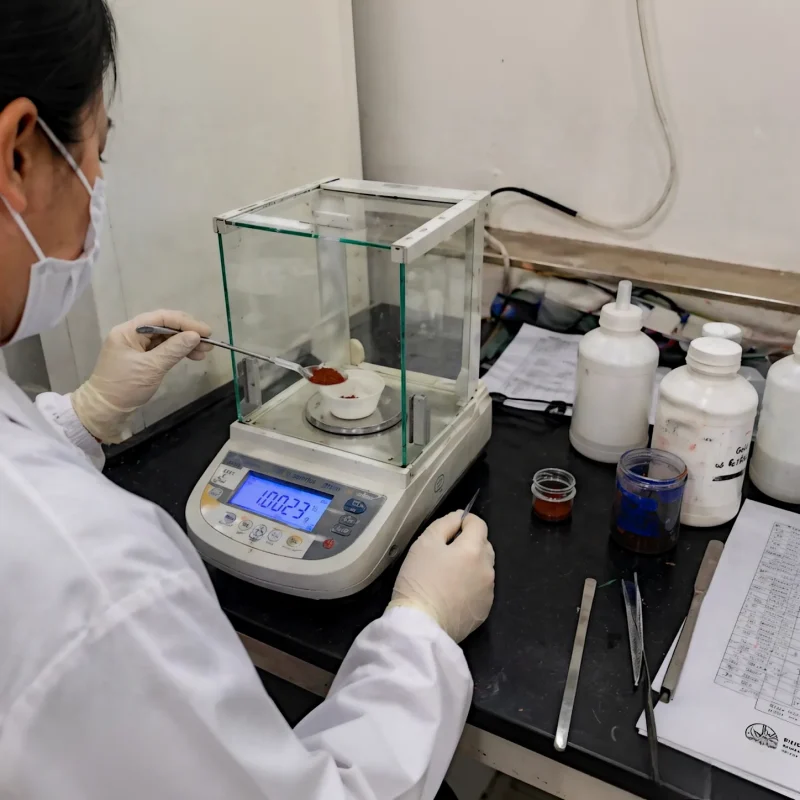
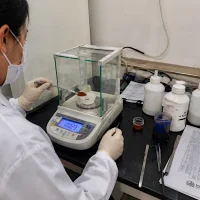
- QC note: Verify lot identity on receipt by checking the Fe content via redox titration (using ceric sulfate or potassium dichromate). The result must fall within 32.0–33.5%. A significant drop in iron content or a shift to a dark, muddy brown color indicates severe oxidation—reject the lot.
Ferrous Fumarate FAQ
Q: How does Ferrous Fumarate compare to Ferrous Sulfate in supplement formulations?
A: Both provide excellent bioavailability, but Ferrous Fumarate contains slightly more elemental iron (~33% vs ~20% for the monohydrate form of sulfate). More importantly, Ferrous Fumarate causes significantly fewer gastrointestinal side effects (nausea, constipation) and lacks the harsh metallic taste of sulfate, making it the preferred choice for premium consumer supplements and chewables.
Q: Can Ferrous Fumarate be used to fortify transparent liquid beverages?
A: No. Ferrous Fumarate has limited solubility in neutral water and carries a strong orange-red pigment. Adding it to clear liquids will result in visible sedimentation and an unappealing rusty color. For liquid fortification, highly water-soluble and colorless chelates like Sodium Iron EDTA or Ferrous Bisglycinate are recommended.
Q: Why does the powder color vary slightly between different batches?
A: Minor color variations from pinkish-orange to deep reddish-brown are natural for organic iron salts and depend on the crystallization process and particle size distribution. As long as the COA confirms the Fe²⁺ content is within 32.0–33.5% and heavy metals are compliant, the color variance does not affect bioavailability or performance.
Related products
Manufacturer & Exporter Since 2006
Get Tailored Chemical Raw Material Solutions — Reply Within 1 Hour
Factory-direct pricing, stable high-purity supply and complete compliance documentation for your industrial formulations.
- 1000+Products
- 200+QC Protocols
- 7–15Days Delivery
- Factory-Direct Pricing
- COA / TDS / SDS Included
- Free Samples for Testing
- 40+ Export Countries
Request a Free Quote
Our engineers reply within 1 hour during GMT+8 business hours.
Please include in your inquiry:
- Product name or CAS number
- Required quantity
- Destination country or port
- Preferred packaging