
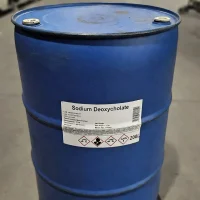
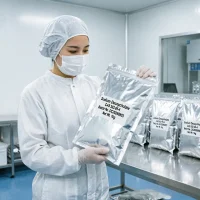
Sodium Deoxycholate CAS 302-95-4
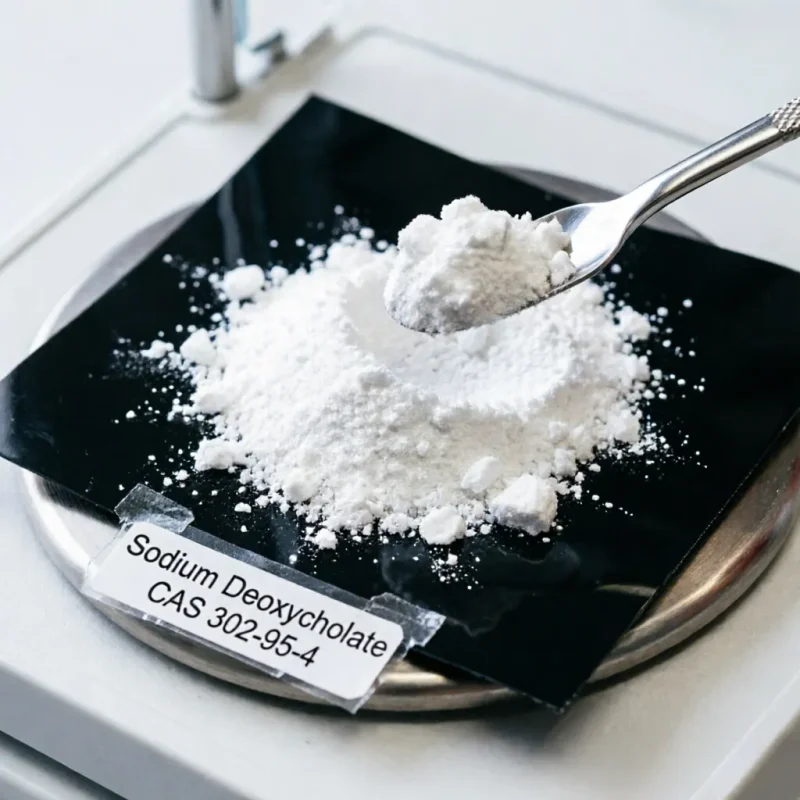
Sodium Deoxycholate is a mild ionic bile acid detergent supplied as a white to off-white crystalline powder. Its unique steroid backbone provides excellent membrane protein solubilization and cell lysis capabilities while preserving native protein structures better than harsh synthetic surfactants. Core uses include biological extraction, pharmaceutical formulation, and cosmetic emulsification. Each shipment includes COA, TDS, and SDS.
- CAS No: 302-95-4
- Synonyms: Sodium deoxycholate, 3α,12α-dihydroxy-5β-cholan-24-oic acid sodium salt, Bile acid sodium salt
- EC Number: 206-129-0
- Molecular Formula: C24H39NaO4
- Molecular Weight: 398.55 g/mol
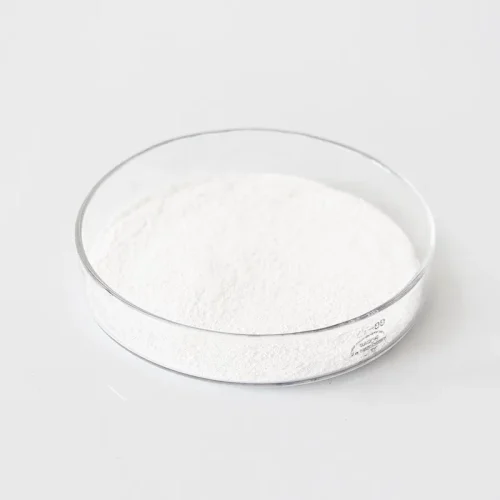
- Appearance: White to off-white crystalline powder or flakes
- Purity: ≥ 99.0% (Biological Grade)
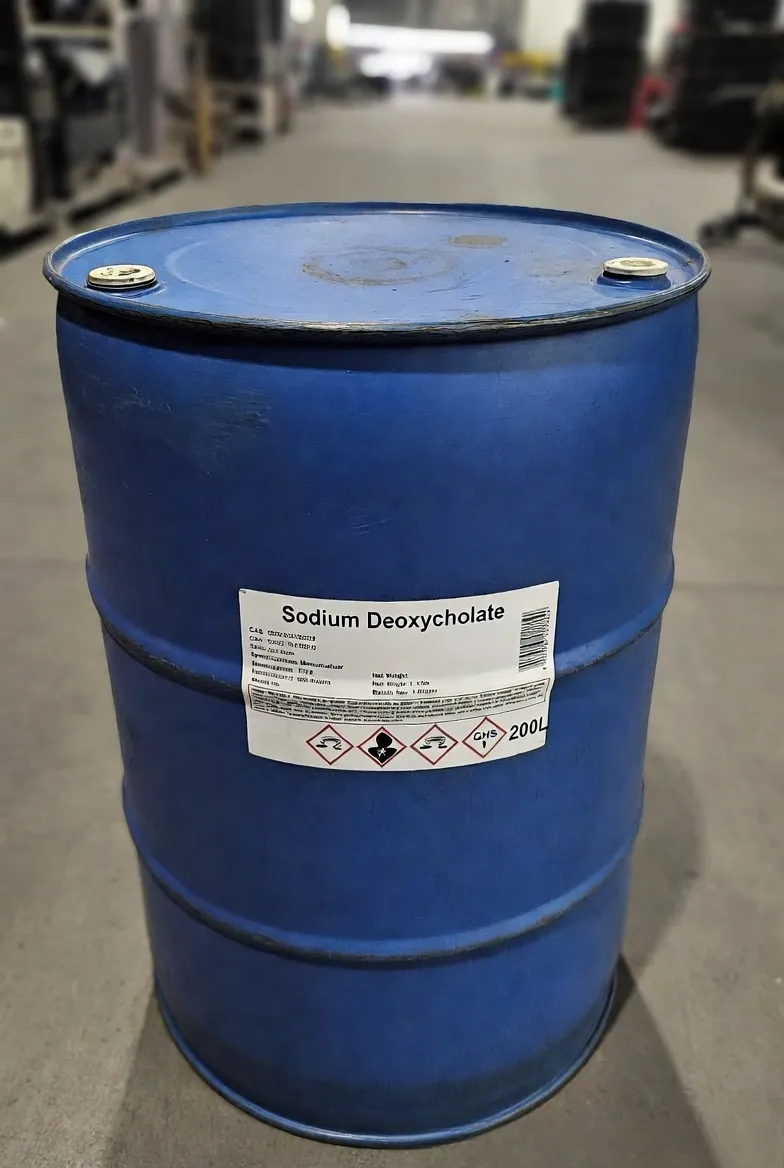
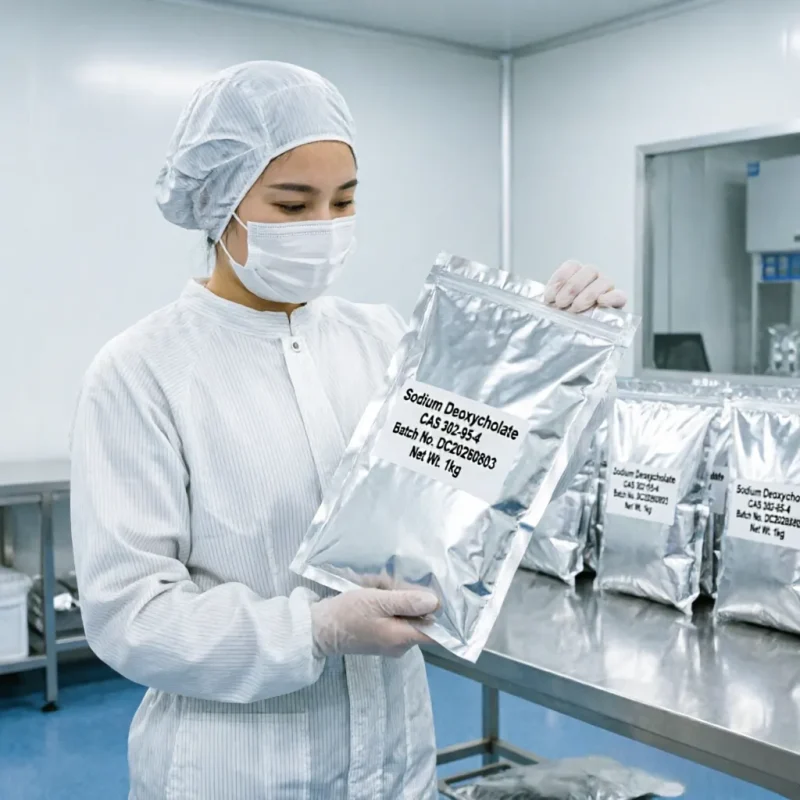
- Packaging: 25 kg (55 lb) fiber drum with PE liner; 25 kg (55 lb) woven PP bag with PE liner. Custom packaging available upon request.
- Main Applications: Membrane protein extraction, cell lysis reagent, pharmaceutical emulsifier, cosmetic surfactant
Introduction to Sodium Deoxycholate
Sodium Deoxycholate is a biologically derived ionic surfactant featuring a rigid hydrophobic steroid skeleton and a hydrophilic carboxylate group. Research laboratories and biopharmaceutical manufacturers rely on it to disrupt lipid bilayers and extract integral membrane proteins without causing the severe denaturation associated with alkyl sulfates like SDS.
The primary processing advantage is its high Critical Micelle Concentration (CMC) of approximately 2–6 mM, which allows rapid and complete removal from protein samples via standard dialysis or gel filtration. The critical storage risk is moisture absorption and carbon dioxide uptake from the air, which can lower the pH of aqueous solutions and cause the bile acid to precipitate as insoluble deoxycholic acid. Store drums in a dry, climate-controlled warehouse below 25 °C (77 °F) and ensure the PE liner is tightly resealed after every use.
Key Features of Sodium Deoxycholate
- Mild membrane solubilization. Disrupts lipid-lipid and lipid-protein interactions effectively while maintaining the functional conformation of many transmembrane proteins and receptors.
- High CMC for easy dialyzability. With a CMC of ~2-6 mM, it does not tightly bind to proteins like SDS does, enabling effortless detergent exchange or removal during downstream purification steps.
- Excellent biocompatibility. As a natural bile acid derivative, it is widely accepted in pharmaceutical formulations as a permeation enhancer and in cosmetics as a mild emulsifier.
- Compatible with common assays. Does not interfere with most standard colorimetric protein assays (like BCA) at working concentrations, unlike some non-ionic surfactants.
Sodium Deoxycholate Chemical & Physical Properties
| Property | Value |
|---|---|
| Molecular Formula | C24H39NaO4 |
| Molecular Weight | 398.55 g/mol |
| Thermal Behaviour | Decomposes above 200 °C (392 °F) without a sharp melting point. |
| Density | Bulk density approx. 0.50–0.70 g/cm³ (31–43 lb/ft³). |
| Solubility in Water | Highly soluble, approx. 50 mg/mL at 20 °C (68 °F); soluble in ethanol and glacial acetic acid. |
| pH (1% aqueous solution) | 8.0 – 10.0 (Alkaline) |
| Critical Micelle Concentration (CMC) | ~ 2 – 6 mM in water |
| Aggregation Number | ~ 10 – 20 |
| Heavy Metals (as Pb) | ≤ 10 ppm |
Applications of Sodium Deoxycholate
Membrane protein extraction and purification: Used at 0.5–2.0% (w/v) in lysis buffers (e.g., RIPA buffer) to solubilize integral membrane proteins, receptors, and ion channels. Its mild ionic nature preserves protein-protein interactions for subsequent immunoprecipitation (IP) or Western blotting.
Cell lysis and nucleic acid isolation: Disrupts cell membranes and nuclear envelopes to release DNA and RNA. Often combined with non-ionic detergents (like Triton X-100 or NP-40) to optimize the extraction efficiency of specific subcellular fractions.
Pharmaceutical and cosmetic formulation: Acts as a biological emulsifier, solubilizer for lipophilic drugs, and skin permeation enhancer in topical gels and transdermal patches. In cosmetics, it stabilizes oil-in-water emulsions without stripping the skin’s natural lipid barrier.
Storage & Safety Precautions for Sodium Deoxycholate
- Storage: Keep tightly sealed in a cool, dry warehouse at 2–25 °C (36–77 °F). The powder is slightly hygroscopic. Aqueous solutions are prone to microbial growth and pH drop (which causes precipitation of deoxycholic acid); prepare solutions fresh or store them at 4 °C (39 °F) with 0.02% sodium azide for short-term use.
- Safety: Classified as an irritant. Inhalation of dust or contact with eyes causes severe irritation. Wear N95 dust masks, nitrile gloves, and safety goggles during powder weighing. Flush eyes immediately with water for 15 minutes upon contact.
- Transport: Sodium Deoxycholate is Non-DG under IATA/IMDG/ADR. Not a marine pollutant. Standard 25 kg (55 lb) drums or bags ship in standard dry containers.
- QC note: Verify solubility and pH upon receipt. A 1% aqueous solution must be clear to slightly opalescent with a pH between 8.0 and 10.0. Cloudiness or a pH below 7.5 indicates moisture ingress and partial conversion to insoluble deoxycholic acid—reject such lots.
Sodium Deoxycholate FAQ
Q: How does Sodium Deoxycholate (CAS 302-95-4) differ from SDS in protein extraction?
A: SDS is a harsh denaturing detergent that unfolds proteins and disrupts all non-covalent interactions. Sodium Deoxycholate is a milder ionic bile acid salt that solubilizes membranes while often preserving native protein conformations and protein-protein complexes, making it ideal for immunoprecipitation.
Q: Can Sodium Deoxycholate be easily removed from my protein sample?
A: Yes. Because it has a relatively high Critical Micelle Concentration (CMC of ~2-6 mM) and a small micelle size, it can be efficiently removed using standard dialysis, gel filtration chromatography, or ultrafiltration, unlike Triton X-100 which is notoriously difficult to dialyze.
Q: Why did my 1% aqueous solution turn cloudy or form a gel?
A: Sodium deoxycholate solutions are highly pH-sensitive. If the pH drops below 7.5 (e.g., from absorbing atmospheric CO2), it converts into insoluble deoxycholic acid and precipitates. Adjust the solution pH back to 8.5–9.0 using NaOH to restore clarity.
Related products
Manufacturer & Exporter Since 2006
Get Tailored Chemical Raw Material Solutions — Reply Within 1 Hour
Factory-direct pricing, stable high-purity supply and complete compliance documentation for your industrial formulations.
- 1000+Products
- 200+QC Protocols
- 7–15Days Delivery
- Factory-Direct Pricing
- COA / TDS / SDS Included
- Free Samples for Testing
- 40+ Export Countries
Request a Free Quote
Our engineers reply within 1 hour during GMT+8 business hours.
Please include in your inquiry:
- Product name or CAS number
- Required quantity
- Destination country or port
- Preferred packaging