
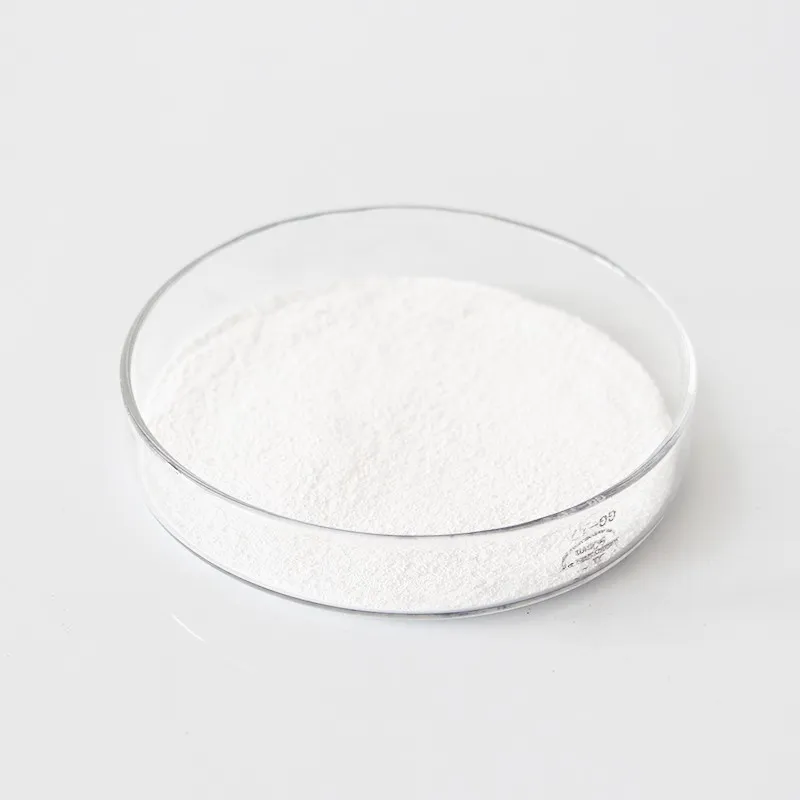
Sodium Hyaluronate (Hyaluronic Acid Sodium) CAS 9067-32-7
Sodium Hyaluronate is the sodium salt of hyaluronic acid, a naturally occurring glycosaminoglycan supplied as a white to off-white powder. Its unique polyanionic structure grants exceptional water-binding capacity (up to 1,000 times its weight) and tunable viscoelasticity, making it the gold standard for skincare formulations, ophthalmic surgery, and intra-articular injections. Each shipment includes COA, TDS, and SDS.
- CAS No: 9067-32-7
- Synonyms: Hyaluronic acid sodium salt, Sodium hyaluronan, HA
- EC Number: N/A (Polymer)
- Molecular Formula: (C14H20NNaO11)n
- Molecular Weight: 10 kDa to 3,000 kDa (Customizable LMW, MMW, HMW)
- Appearance: White to off-white hygroscopic powder or granules
- Purity: ≥ 99.0% (Cosmetic/Food/Pharma Grade)
- Packaging: 1 kg (2.2 lb) aluminum foil bag; 5 kg (11 lb) fiber drum; 25 kg (55 lb) fiber drum with PE liner. Custom packaging available upon request.
- Main Applications: Skincare hydration, dermal fillers, ophthalmic viscoelastics, joint health supplements
Introduction to Sodium Hyaluronate
Sodium Hyaluronate is a high-molecular-weight polyanionic polysaccharide composed of repeating disaccharide units of D-glucuronic acid and N-acetyl-D-glucosamine. Produced primarily via streptococcal fermentation, it forms highly viscous, non-Newtonian aqueous solutions that provide superior lubrication, tissue scaffolding, and moisture retention. Cosmetic formulators and medical device manufacturers rely on it to engineer everything from surface-hydrating serums to surgical viscoelastics.
The primary processing advantage is its precise molecular weight tunability. High Molecular Weight (HMW, >1,000 kDa) forms breathable, moisture-locking films on the skin, while Low Molecular Weight (LMW, <50 kDa) penetrates the stratum corneum for deep dermal repair. The critical storage risk is severe hygroscopicity: once exposed to humid air, the powder rapidly clumps and degrades, losing its rheological properties. Store drums in a climate-controlled warehouse below 25 °C (77 °F) and reseal the PE liner immediately after scooping.
Key Features of Sodium Hyaluronate
- Exceptional water retention. The dense network of carboxyl and hydroxyl groups binds up to 1,000 times its weight in water, creating a continuous hydration reservoir in topical and injectable formulations.
- Tunable viscoelasticity. HMW grades exhibit high zero-shear viscosity and pseudoplasticity, providing excellent shock absorption for joint injections and space maintenance in eye surgery.
- Transdermal penetration (LMW). Oligo-hyaluronic acid (<10 kDa) bypasses the skin barrier to stimulate endogenous collagen synthesis and accelerate wound healing.
- High biocompatibility. As an endogenous human tissue component, it is non-immunogenic, non-toxic, and fully biodegradable via hyaluronidase enzymes.
Sodium Hyaluronate Chemical & Physical Properties
| Property | Value |
|---|---|
| Molecular Formula | (C14H20NNaO11)n |
| Molecular Weight | 10 kDa – 3,000 kDa (Customizable via fermentation and degradation) |
| Thermal Behaviour | Decomposes above 200 °C (392 °F). Avoid prolonged heating of aqueous solutions above 60 °C (140 °F) to prevent chain scission. |
| Solubility in Water | Highly soluble (forms clear, viscous gels); insoluble in ethanol, acetone, and organic solvents. |
| pH (0.1% aqueous solution) | 5.0 – 7.5 |
| Transparency (0.1% solution) | ≥ 98.0% at 600 nm |
| Glucuronic Acid Content | ≥ 44.0% |
| Heavy Metals (as Pb) | ≤ 10 ppm (Cosmetic); ≤ 2 ppm (Pharma/Injectable) |
| Protein Content | ≤ 0.1% (Minimizes allergic reactions) |
Applications of Sodium Hyaluronate
Skincare and cosmetics: Blended at 0.05–0.50% in serums, creams, and hydrogels. HMW grades form a breathable viscoelastic film on the epidermis to prevent transepidermal water loss (TEWL), while LMW grades penetrate to hydrate the dermis and reduce fine lines.
Medical and ophthalmic devices: Used as a 1.0–2.0% viscoelastic solution in cataract surgery to protect corneal endothelium and maintain the anterior chamber. Formulated as intra-articular injections (10–20 mg/mL) to lubricate osteoarthritic joints and absorb mechanical shock.
Food and nutraceuticals: Dosed at 100–200 mg per serving in oral supplements and functional beverages. Clinical data supports its systemic absorption to improve skin moisture and alleviate joint discomfort from within.
Storage & Safety Precautions for Sodium Hyaluronate
- Storage: Keep tightly sealed in a cool, dry warehouse below 25 °C (77 °F). The powder is extremely hygroscopic; an opened drum left in humid conditions will absorb moisture, clump severely, and suffer microbial contamination. Stack pallets away from exterior walls and use desiccants.
- Safety: Classified as non-hazardous. Wear standard dust masks and safety goggles when handling dry powder, as fine dust can cause mild respiratory and eye irritation. Wash skin with water after contact.
- Transport: Sodium Hyaluronate is Non-DG under IATA/IMDG/ADR. Not a marine pollutant. Standard 25 kg (55 lb) drums ship in standard dry containers.
- QC note: Verify intrinsic viscosity and molecular weight distribution via Gel Permeation Chromatography (GPC/SEC) upon receipt. A drop in solution transparency or uncharacteristic odor indicates microbial degradation or improper drying—reject such lots.
Sodium Hyaluronate FAQ
Q: How do I choose between High and Low Molecular Weight (HMW vs. LMW)?
A: Use HMW (>1,000 kDa) for surface film-forming, lubrication, and thickening (e.g., eye drops, joint injections, topical barrier creams). Use LMW (<50 kDa) or Oligo-HA for deep skin penetration, cellular signaling, and anti-aging serums.
Q: My aqueous solution lost viscosity after a few days. What happened?
A: HA solutions are highly susceptible to microbial contamination and shear/thermal degradation. Always add a broad-spectrum preservative (e.g., phenoxyethanol) to aqueous formulations, avoid high-shear mixing, and do not heat above 60 °C (140 °F).
Q: Is your Sodium Hyaluronate vegan and non-animal derived?
A: Yes. Our product is produced via modern bacterial fermentation (Streptococcus equi) using plant-derived glucose, completely eliminating the risk of animal-source pathogens (e.g., avian flu, BSE) associated with traditional rooster comb extraction.
Related products
Manufacturer & Exporter Since 2006
Get Tailored Chemical Raw Material Solutions — Reply Within 1 Hour
Factory-direct pricing, stable high-purity supply and complete compliance documentation for your industrial formulations.
- 1000+Products
- 200+QC Protocols
- 7–15Days Delivery
- Factory-Direct Pricing
- COA / TDS / SDS Included
- Free Samples for Testing
- 40+ Export Countries
Request a Free Quote
Our engineers reply within 1 hour during GMT+8 business hours.
Please include in your inquiry:
- Product name or CAS number
- Required quantity
- Destination country or port
- Preferred packaging