
Naphthalene Acetic Acid CAS 86-87-3
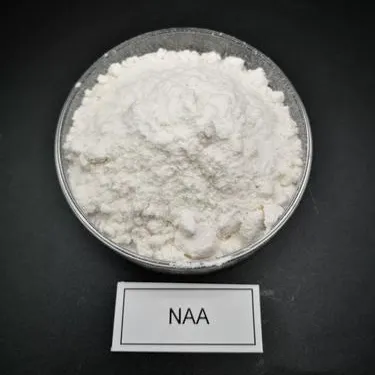
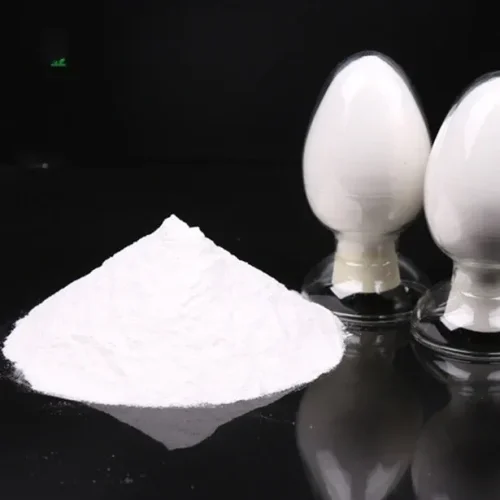
Naphthalene Acetic Acid is a white to pale yellow crystalline solid containing a naphthalene ring and an acetic acid group, acting as a synthetic auxin-type plant growth regulator to promote root initiation and prevent fruit drop. The free acid form offers near 100% active ingredient loading, giving formulators precise control over final PGR concentrations. Each shipment includes COA, TDS and SDS.
- CAS No: 86-87-3
- Synonyms: 1-Naphthaleneacetic acid, alpha-NAA, Naphthylacetic acid
- EINECS: 201-705-8
- Molecular Formula: C12H10O2
- Molecular Weight: 186.21 g/mol
- Appearance: White to pale yellow crystalline powder
- Purity: ≥98% by HPLC; slight yellow tint in some batches does not affect biological activity
- Melting Point: 130–134°C (266–273°F)
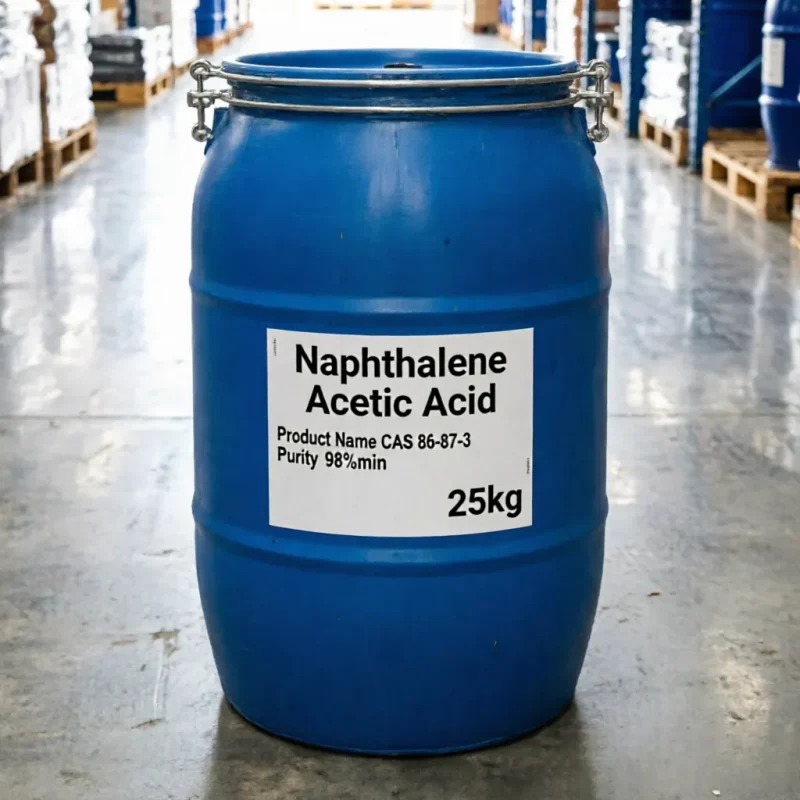
- Packaging: 25 kg (55 lb) fiber drum or 1 kg (2.2 lb) foil bag; Custom packaging available upon request.
- Main Applications: Rooting agents, fruit drop prevention, fruit thinning, agricultural formulations
Introduction to Naphthalene Acetic Acid
Naphthalene Acetic Acid (NAA) is a white to pale yellow crystalline powder featuring a naphthalene backbone linked to an acetic acid moiety. The compound functions as a synthetic auxin, widely applied in commercial agriculture, horticulture and forestry to stimulate adventitious root formation, reduce pre-harvest fruit drop and regulate fruitlet development.
The main formulation trap is poor water solubility. Adding NAA powder directly to cold water causes precipitation and blocks spray nozzles. Formulators must dissolve the powder in ethanol or neutralize the material with potassium hydroxide or sodium hydroxide to create a soluble salt before dilution. The free acid gives direct control over salt type, concentration and final pH. Record alkali amounts for batch consistency, and verify solubility at local water temperature before tank mixing. Stable crystals survive high-shear milling for WP and WG products.
Key Features of Naphthalene Acetic Acid
- High active loading: The free acid delivers nearly 100% active NAA mass, reducing dosage calculation errors and packaging volume.
- Auxin receptor binding: The specific spatial structure of the alpha-naphthalene ring allows strong binding to plant auxin receptors, triggering cell division in cambium tissues.
- Formulation flexibility: Manufacturers can neutralize the acid with different alkali metals to tailor the solubility and stability of the final liquid or wettable powder product.
- Thermal stability: The crystalline solid maintains chemical integrity during the high-shear milling required to produce wettable powders (WP) or water-dispersible granules (WG).
- Low volatility: The free acid does not volatilize at high field temperatures, ensuring consistent biological uptake on leaves and bark.
Naphthalene Acetic Acid Chemical & Physical Properties
| Property | Value |
|---|---|
| Molecular Formula | C12H10O2 |
| Molecular Weight | 186.21 g/mol |
| Appearance | White to pale yellow crystalline powder |
| Melting Point | 130–134°C (266–273°F) |
| Boiling Point | Decomposes before boiling; no normal boiling point |
| Density | 1.25 g/cm³ (reference value) |
| Flash Point | Non-combustible solid; no flash point |
| Solubility | Insoluble in cold water; soluble in hot water, ethanol, acetone and alkaline solutions |
| pH (1% aqueous suspension) | 3.0–4.0 (acidic) |
| Assay | ≥98% by HPLC |
Applications of Naphthalene Acetic Acid
Stem and root cuttings: NAA triggers cell dedifferentiation and cambium division at the cut base, forming callus tissue and adventitious roots. For woody ornamentals and fruit trees, dipping solutions typically use 500–2000 mg/L, while quick-dip methods use up to 4000 mg/L dissolved in 50% ethanol. Powder rooting hormones usually blend NAA at 0.1–0.5% with talc.
Fruit drop prevention: In apples, citrus and tomatoes, NAA suppresses the abscission zone by maintaining auxin gradients. Foliar sprays are applied at 20–50 mg/L during pre-harvest stages. The free acid must be fully converted to a soluble salt before tank mixing to prevent localized phytotoxicity and nozzle clogging.
Fruit thinning: For apples and pears, early post-bloom sprays of 20–80 mg/L selectively abort weaker flowers and young fruitlets. This operation reduces manual thinning labor and increases the size of the remaining crop. Apply during calm weather below 25°C (77°F) to avoid rapid evaporation and uneven deposition.
Tissue culture media: In plant micropropagation, NAA is added at 0.1–5.0 mg/L to Murashige and Skoog (MS) media to induce root initiation before acclimatization. The heat-stable compound survives the standard 121°C (250°F) autoclave sterilization cycle without degrading.
Storage & Safety Precautions for Naphthalene Acetic Acid
Storage conditions: Keep Naphthalene Acetic Acid in tightly sealed, light-resistant containers in a cool, dry warehouse below 25°C (77°F). The powder is stable, but prolonged exposure to direct sunlight or high humidity can cause degradation or caking. Store away from strong oxidizers and alkaline materials, as contact with bases will prematurely convert the acid into a salt.
Safety and PPE: NAA is a mild skin and eye irritant and toxic to aquatic organisms. Check the batch SDS for regional GHS classifications. Wear nitrile gloves, safety goggles and a dust mask when weighing or milling the raw powder. Avoid generating dust, and wash hands thoroughly before eating or smoking.
Spill and transport: Sweep up dry spills carefully to avoid dust clouds, or use a damp cloth for fine residues. Do not wash spills into surface waters, as PGRs can affect non-target plants and aquatic life. Naphthalene Acetic Acid is generally shipped as Non-DG for road, sea and air, but always verify the latest IATA/IMDG regulations before booking.
Operator note: QC teams should verify the HPLC assay and melting point upon arrival. Note that a slight yellowish tint in some batches is normal for the free acid and does not indicate degradation. When formulating liquid concentrates, always record the exact amount of KOH or NaOH used for neutralization to ensure batch-to-batch consistency.
Naphthalene Acetic Acid FAQ
Q: Is Naphthalene Acetic Acid CAS 86-87-3 soluble in cold water?
A: No. CAS 86-87-3 free acid dissolves poorly in cold water and can block nozzles. Dissolve the powder in ethanol, or neutralize the material with KOH/NaOH into a soluble salt, then dilute to 20–50 mg/L. Test solubility at local water temperature before spraying.
Q: Why does NAA sometimes appear pale yellow?
A: Pale yellow color is normal for free-acid NAA and does not indicate degradation. If HPLC assay is ≥98% and melting point stays at 130–134°C (266–273°F), activity remains intact. A full COA with chromatogram confirms batch quality.
Related products
Manufacturer & Exporter Since 2006
Get Tailored Chemical Raw Material Solutions — Reply Within 1 Hour
Factory-direct pricing, stable high-purity supply and complete compliance documentation for your industrial formulations.
- 1000+Products
- 200+QC Protocols
- 7–15Days Delivery
- Factory-Direct Pricing
- COA / TDS / SDS Included
- Free Samples for Testing
- 40+ Export Countries
Request a Free Quote
Our engineers reply within 1 hour during GMT+8 business hours.
Please include in your inquiry:
- Product name or CAS number
- Required quantity
- Destination country or port
- Preferred packaging