
Biosaccharide Gum-1 CAS 194237-89-3
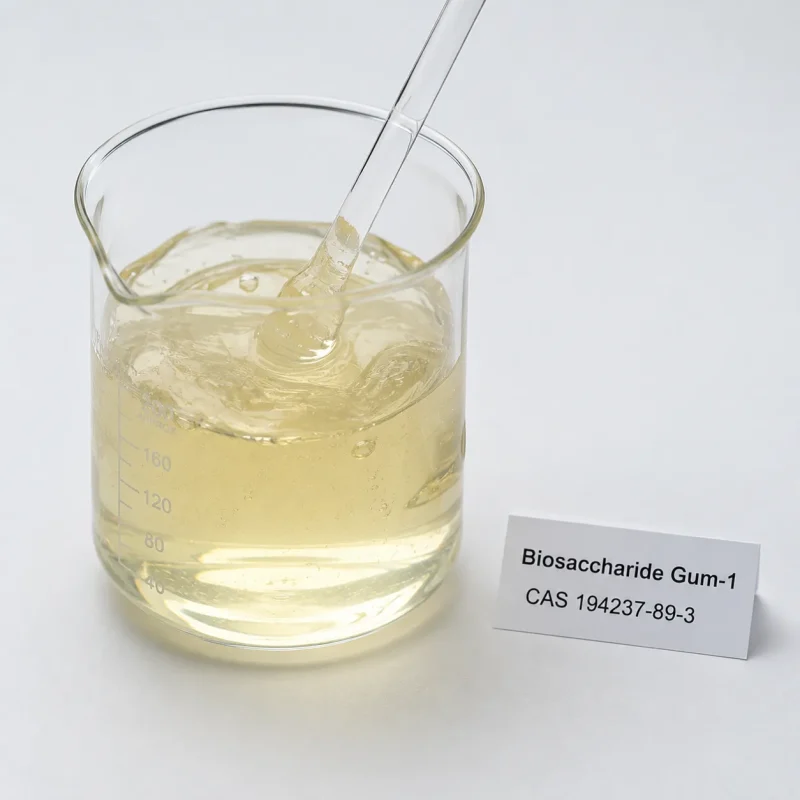
Biosaccharide Gum-1 is a high-molecular-weight anionic polysaccharide supplied as off-white powder or viscous aqueous dispersion. Rich in fucose, galactose, and galacturonic acid, it delivers immediate sensory elegance alongside profound hydration, film-forming, and neuro-soothing benefits. Core uses include anti-aging serums, sensitive skin creams, and color cosmetics. Each shipment includes COA, TDS, and SDS.
- CAS No: 194237-89-3
- Synonyms: Fucogel, Flaxseed polysaccharide, Anionic fucose-galactose-galacturonic acid polymer
- EC Number: N/A (Complex Biopolymer)
- Molecular Formula: Complex Polysaccharide
- Molecular Weight: > 1,000,000 Da
- Appearance: Off-white to light yellow powder / Viscous amber aqueous liquid
- Purity (Polysaccharide Content): ≥ 98.0% (Powder grade) / 1.0% – 2.0% active (Liquid grade)
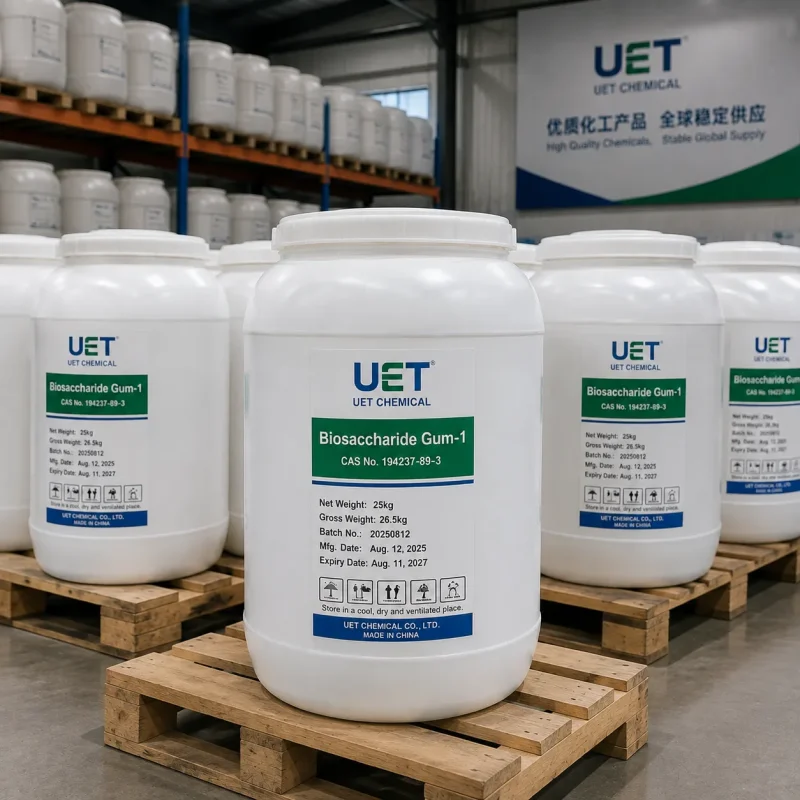
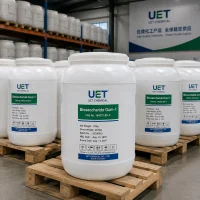
- Packaging: 5 kg (11 lb) HDPE jerrycan (liquid) / aluminum foil bag (powder); 25 kg (55 lb) HDPE drum / fiber drum with PE liner. Custom packaging available upon request.
- Main Applications: Skincare formulations, anti-aging serums, color cosmetics, soothing lotions
Introduction to Biosaccharide Gum-1
Biosaccharide Gum-1 is a premium, high-molecular-weight anionic polysaccharide derived via green biotechnology (fermentation) or botanical extraction (such as flaxseed). Its unique backbone consists of fucose, galactose, and galacturonic acid. In the personal care and cosmetics industry, it is highly valued as a multifunctional active that bridges the gap between immediate sensory elegance and long-term biological efficacy.
The primary formulation advantage is its dual-action mechanism: it binds strongly to skin proteins via electrostatic interactions to form a breathable, protective “second skin” matrix, while simultaneously stimulating beta-endorphin release to soothe neurosensory irritation. The critical handling characteristic depends on its physical form. Powdered grades require slow dispersion into the aqueous phase under high-shear mixing to prevent “fish-eye” agglomeration, while pre-hydrated liquid grades can be cold-processed directly into emulsions or serums without heating.
Key Features of Biosaccharide Gum-1
- “Second skin” film-forming matrix. Forms a continuous, breathable, and non-occlusive hydrogel network on the stratum corneum, reducing transepidermal water loss (TEWL) and protecting against environmental pollutants without a tacky residue.
- Neuro-soothing and anti-aging efficacy. Stimulates the release of beta-endorphins in the skin to rapidly alleviate stinging, itching, and neurosensory discomfort, making it ideal for post-procedure, after-sun, and highly sensitive skin formulations.
- Superior sensory profile. Imparts a luxurious, silky, and powdery after-feel upon application, allowing formulators to reduce or eliminate heavy silicones and synthetic emollients in natural and clean-beauty products.
- Broad formulation compatibility. Highly stable across a wide pH range (4.0–8.0) and compatible with most electrolytes, surfactants, and active ingredients, functioning equally well as a rheology modifier in lotions or a standalone active in aqueous serums.
Biosaccharide Gum-1 Chemical & Physical Properties
| Property | Value |
|---|---|
| Molecular Nature | Anionic Polysaccharide (Fucose, Galactose, Galacturonic acid) |
| Molecular Weight | > 1,000,000 Da (High-MW biopolymer) |
| Thermal Behaviour | Stable up to 80 °C (176 °F) in aqueous dispersion. Powder decomposes above 200 °C (392 °F). |
| pH (1% aqueous dispersion) | 5.5 – 7.5 |
| Viscosity | High (forms shear-thinning, pseudoplastic gels) |
| Solubility | Dispersible/soluble in water; insoluble in oils, waxes, and ethanol. |
| Heavy Metals (as Pb) | ≤ 10 ppm (Cosmetic Grade) |
| Microbial Limit | < 100 CFU/g (Total Aerobic), Yeast & Mold < 10 CFU/g |
Applications of Biosaccharide Gum-1
Anti-aging and firming serums: Dosed at 1.0–5.0% (liquid grade) or 0.1–0.5% (powder grade) in aqueous phases. Provides immediate skin-tightening effects and long-term matrix support, reducing the appearance of fine lines while delivering a velvety, matte finish.
Sensitive skin and after-sun care: Incorporated at 2.0–5.0% in soothing lotions, aloe gels, and post-laser recovery creams. The fucose-rich structure rapidly downregulates inflammatory pathways and calms neurosensory irritation, reducing visible redness within minutes of application.
Color cosmetics and sun care: Used at 1.0–3.0% in foundations, BB creams, and mineral sunscreens. Acts as a natural suspension agent for pigments and UV filters while improving spreadability and preventing the “chalky” or “greasy” feel typical of high-SPF formulations.
Storage & Safety Precautions for Biosaccharide Gum-1
- Storage: Keep tightly sealed in original HDPE drums or foil bags at 5–25 °C (41–77 °F). Liquid dispersions must be protected from freezing, which will irreversibly break the polymer network and cause syneresis (water separation). Powdered grades must be kept strictly dry; moisture ingress will cause severe clumping and microbial proliferation.
- Safety: Classified as non-hazardous (Cosmetic Grade). Non-irritating and non-sensitizing. Wear standard dust masks and safety goggles when handling dry powder to avoid inhalation of fine particulates and eye dusting.
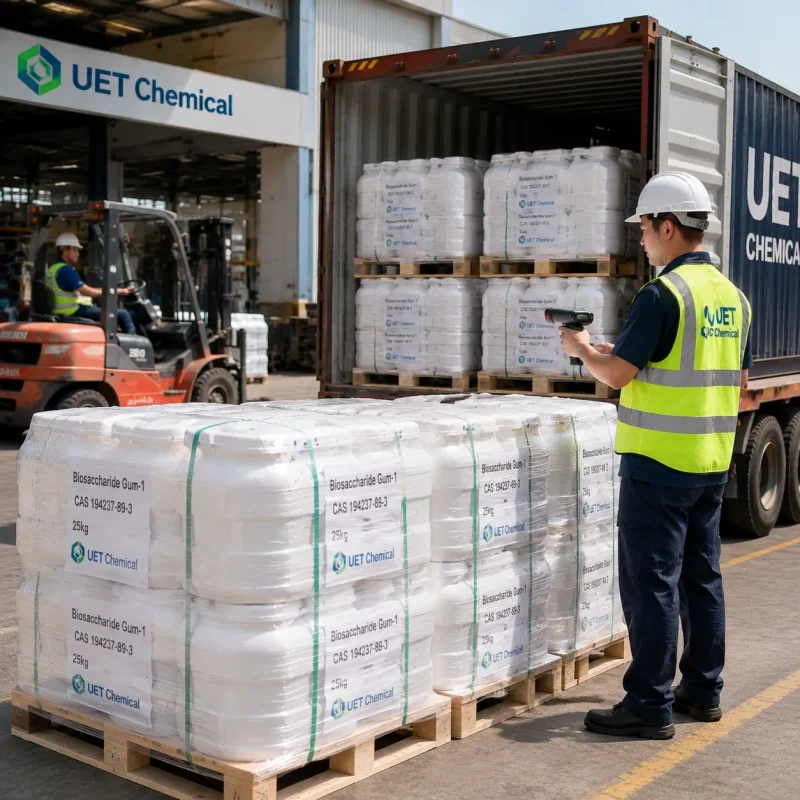
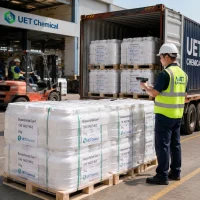
- Transport: Biosaccharide Gum-1 is Non-DG under IATA/IMDG/ADR. Not a marine pollutant. Ship in standard dry containers. During winter transit, liquid grades require temperature-controlled (reefer) containers to prevent freezing damage.
- QC note: Verify viscosity, pH, and microbial limits upon receipt. For liquid grades, check for phase separation or off-odors, which indicate preservative failure or polymer degradation. For powder grades, ensure rapid and lump-free hydration during bench testing.
Biosaccharide Gum-1 FAQ
Q: Should I buy the powder or the liquid dispersion?
A: Liquid dispersions (typically 1-2% active) are recommended for cold-processing and ease of use in standard emulsions, saving manufacturing time and energy. Powder (100% active) is highly cost-effective for large-scale global shipping and anhydrous or highly concentrated stick/balm formulations, but requires high-shear mixing and hydration time.
Q: Is Biosaccharide Gum-1 compatible with cationic ingredients and high electrolytes?
A: As an anionic polymer, it may interact with strong cationic surfactants (like cetrimonium chloride) or high concentrations of multivalent salts (like aluminum chlorohydrate), potentially causing precipitation or viscosity drop. Always conduct a 48-hour stability test when formulating with high-salt or cationic systems.
Q: Can it replace synthetic silicones (like dimethicone) for slip and feel?
A: Yes. It is widely used in “clean beauty” and silicone-free formulations to mimic the elegant slip, spreadability, and powdery after-feel of volatile silicones, while providing additional biological hydration that silicones lack.
Related products
Manufacturer & Exporter Since 2006
Get Tailored Chemical Raw Material Solutions — Reply Within 1 Hour
Factory-direct pricing, stable high-purity supply and complete compliance documentation for your industrial formulations.
- 1000+Products
- 200+QC Protocols
- 7–15Days Delivery
- Factory-Direct Pricing
- COA / TDS / SDS Included
- Free Samples for Testing
- 40+ Export Countries
Request a Free Quote
Our engineers reply within 1 hour during GMT+8 business hours.
Please include in your inquiry:
- Product name or CAS number
- Required quantity
- Destination country or port
- Preferred packaging