
Sodium Acid Pyrophosphate CAS 7758-16-9
Sodium Acid Pyrophosphate (SAPP) is an acidic leavening agent and chelating salt featuring a pyrophosphate anion (P₂O₇⁴⁻) with two replaceable hydrogen atoms. Supplied as a white free-flowing powder (≥95% purity), it acts as a controlled-release CO₂ generator in bakery premixes and a calcium-sequestering agent in processed cheese. The thermal treatment during manufacturing allows precise tuning of the Dough Rate (DR) to match specific baking profiles. Each shipment includes COA, TDS, and SDS.
- CAS No.: 7758-16-9
- Synonyms: SAPP; Disodium Dihydrogen Pyrophosphate; Sodium Hydrogen Pyrophosphate
- EINECS: 231-832-4
- Molecular Formula: Na₂H₂P₂O₇
- Molecular Weight: 221.94 g/mol
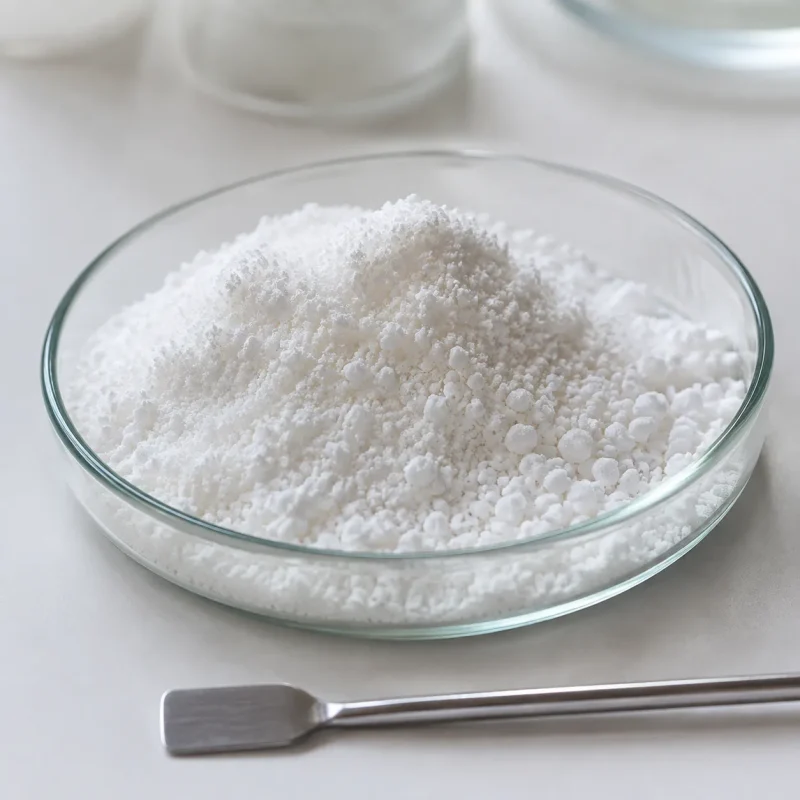
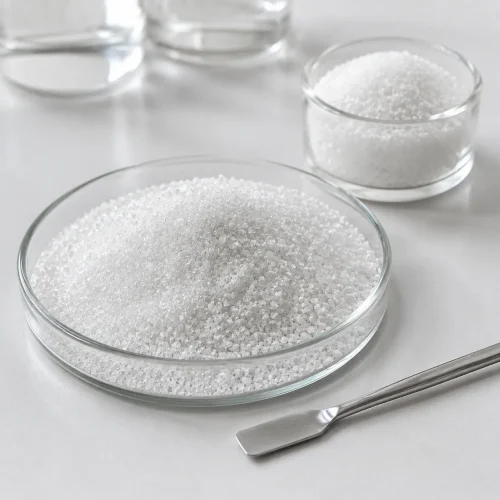
- Appearance: White crystalline powder or granules
- Assay (P₂O₅): ≥63.0%
- pH (1% aq.): 4.0–4.5
- Bulk Density: 0.80–1.00 g/cm³
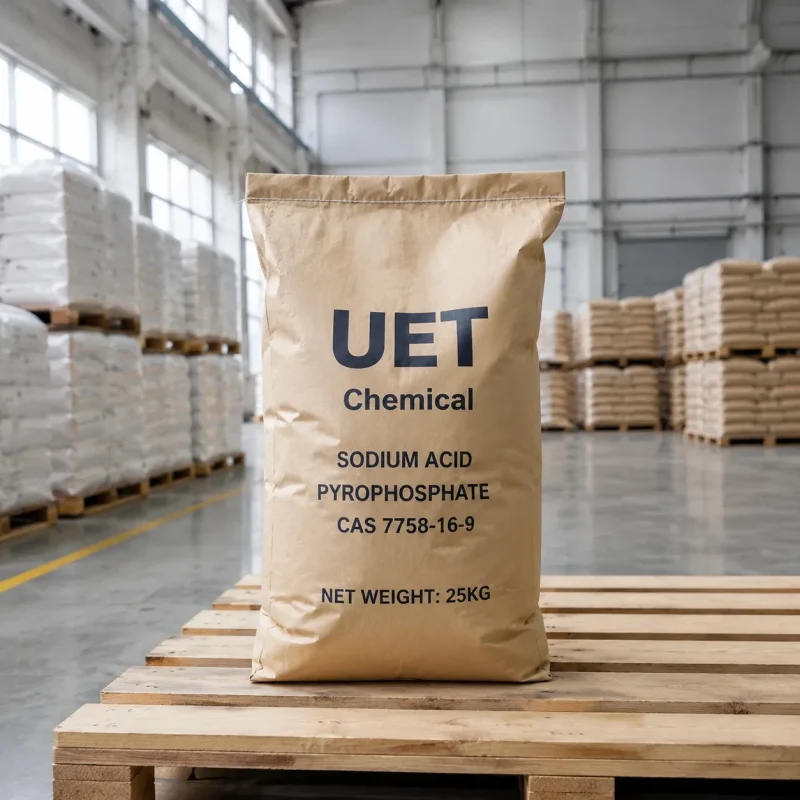
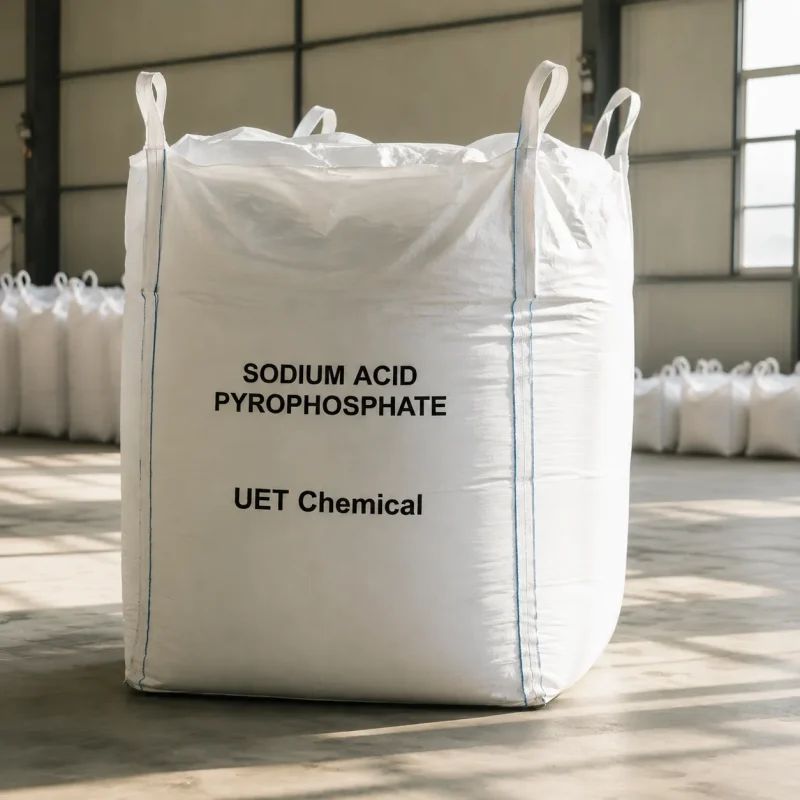
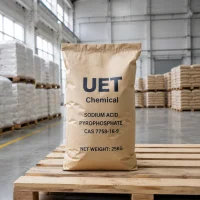
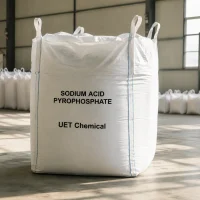
- Packaging: 25 kg multi-wall paper bag / 1000 kg bulk bag. Custom packaging available upon request.
- Main Applications: Bakery leavening systems; processed cheese emulsification; seafood moisture retention; potato product color stabilization
Introduction to SAPP
Sodium Acid Pyrophosphate is a white crystalline powder belonging to the condensed phosphate family. The molecule features a pyrophosphate backbone with two acidic hydrogen atoms, enabling it to react with sodium bicarbonate to release carbon dioxide gas. Food scientists rely on it as a controlled-release leavening acid in commercial bakery premixes and as a vital calcium-sequestering agent in processed cheese and seafood applications.
The manufacturing process involves precise thermal calcination, allowing formulators to select specific Dough Rate (DR) grades—ranging from slow-acting (DR 20) to fast-acting (DR 40)—to perfectly time gas release during mixing and oven spring. One practical caution: SAPP is moderately hygroscopic and reacts prematurely if exposed to ambient moisture or alkaline dust. Always store in sealed, moisture-barrier liners and avoid cross-contamination with sodium bicarbonate during warehouse handling to prevent silent CO₂ depletion.
Key Features of SAPP
- Tunable Dough Rate (DR). Thermal treatment alters the crystal lattice solubility, providing specific DR grades (20–40) that dictate exactly how much CO₂ releases during bowl mixing versus oven baking.
- Calcium sequestration in dairy. The pyrophosphate anion strongly chelates calcium ions in casein micelles, disrupting the protein network just enough to emulsify fats and create a smooth, melt-stable processed cheese slice.
- Color stabilization in potatoes. Chelates iron and copper ions on the surface of cut or dehydrated potatoes, preventing enzymatic and non-enzymatic darkening during freezing or frying.
- High-temperature stability. Unlike some organic leavening acids, the inorganic phosphate backbone withstands high-temperature extrusion and frying without degrading into off-flavor compounds.
SAPP Chemical & Physical Properties
| Property | Value |
|---|---|
| Molecular Formula | Na₂H₂P₂O₇ |
| Molecular Weight | 221.94 g/mol |
| Decomposition | ~220 °C (converts to sodium metaphosphate) |
| Density (solid) | ~1.86 g/cm³ |
| Bulk Density | 0.80–1.00 g/cm³ |
| Solubility | Soluble in water; insoluble in ethanol |
| pH (1% aq. solution) | 4.0–4.5 |
| Assay (as P₂O₅) | ≥63.0% (FCC standard) |
| Loss on Ignition (105 °C, 2h) | ≤0.5% |
| Heavy Metals (as Pb) | ≤2 ppm |
| Fluoride | ≤10 ppm |
Applications of SAPP
Commercial bakery and cake premixes: Used at 1–3% alongside sodium bicarbonate. A slow-acting grade (DR 20–24) retains gas during batter transport and depositing, releasing the majority of CO₂ only when the batter hits oven temperatures above 60 °C. Prevents tunneling and ensures uniform crumb structure.
Processed cheese and cheese sauces: Dosed at 0.5–2.0%. The pyrophosphate groups chelate calcium from the casein paracaseinate network, exposing hydrophobic protein regions to emulsify milk fats. This prevents oil separation and ensures a smooth melt profile in burger slices.
Frozen dough and refrigerated biscuits: Formulated at 1.5–2.5%. The delayed reaction rate prevents premature gassing in the mixing bowl, preserving the chemical leavening potential for weeks of cold storage before the consumer bakes the product.
Seafood moisture retention: Applied at 1–3% in dip solutions for shrimp or fish fillets. The phosphate groups increase the ionic strength and shift the meat pH away from the isoelectric point, opening muscle fibers to bind water and prevent drip loss during freezing.
Storage & Safety Precautions for SAPP
Storage conditions. Store in sealed, moisture-barrier multi-wall bags on pallets at 10–30 °C, in a dry warehouse. SAPP is hygroscopic; if relative humidity exceeds 65%, the powder absorbs moisture and forms hard clumps. Never store SAPP in the same immediate bay as open sodium bicarbonate—alkaline dust drift will cause a silent acid-base reaction, depleting the leavening power before the bag is even opened.
Safety and PPE. GHS: Not classified as hazardous. Mild dust irritant. Wear a standard N95 dust mask and safety glasses during bag emptying to prevent inhalation of fine phosphate dust. Spills are non-toxic; sweep up dry material and wash the floor with water.
Transport classification. Non-DG. Not regulated under IMDG, IATA, or ADR. Ship as standard general cargo. Ensure container liners are intact to prevent ocean moisture ingress.
Practitioner note: When formulating cake batters, SAPP can leave a slight astringent or “pyrophosphate” aftertaste at high dosages. To mask this, formulators typically blend SAPP with Monocalcium Phosphate (MCP) or Glucono Delta-Lactone (GDL) at a 70:30 ratio, balancing the gas release timeline while neutralizing the flavor profile.
SAPP FAQ
Q: How do I choose the right Dough Rate (DR) for SAPP (CAS 7758-16-9) in my bakery formula?
A: DR indicates the percentage of CO₂ released during a standard 8-minute bowl mix. For batters that sit before baking, use a slow-acting SAPP (DR 20–24) to retain gas for the oven spring. For instant-rise applications like muffins, choose a faster grade (DR 35–40). Always verify the DR on the COA, as thermal processing variations cause ±2 point drifts between batches.
Q: Why did my cake batter overflow the pan before it even reached the oven?
A: Premature gassing. This happens if the SAPP grade was too fast for your mixing time, or if the SAPP absorbed ambient moisture in the warehouse, accelerating the reaction with sodium bicarbonate upon hydration. Switch to a lower DR grade (e.g., from DR 30 to DR 22) and check your warehouse humidity. Ensure the dry blend is kept strictly below 25 °C before liquid addition.
Q: Can SAPP be used to prevent darkening in frozen French fries?
A: Yes. SAPP acts as a chelating agent that binds iron and copper ions on the potato surface, inhibiting polyphenol oxidase activity and non-enzymatic Maillard browning. A 0.5–1.0% SAPP dip solution (pH adjusted to 4.5) before blanching maintains a bright, golden-yellow color after deep frying, outperforming standard citric acid dips which can impart a sour taste.
Related products
Manufacturer & Exporter Since 2006
Get Tailored Chemical Raw Material Solutions — Reply Within 1 Hour
Factory-direct pricing, stable high-purity supply and complete compliance documentation for your industrial formulations.
- 1000+Products
- 200+QC Protocols
- 7–15Days Delivery
- Factory-Direct Pricing
- COA / TDS / SDS Included
- Free Samples for Testing
- 40+ Export Countries
Request a Free Quote
Our engineers reply within 1 hour during GMT+8 business hours.
Please include in your inquiry:
- Product name or CAS number
- Required quantity
- Destination country or port
- Preferred packaging