

Cellulase Enzyme CAS 9012-54-8
Cellulase Enzyme is a multi-component biocatalyst that hydrolyzes β-1,4-glycosidic bonds in cellulose, solving challenges related to plant cell wall degradation and fiber modification. Industrial manufacturers rely on it for textile biopolishing, animal feed digestion enhancement, and juice clarification. UETChem supplies this enzyme with strict control over heavy metals and microbial load, ensuring high activity retention across wide pH and temperature windows. Each shipment includes COA, TDS, SDS.
- CAS No: 9012-54-8
- Synonyms: Cellulase; 1,4-beta-D-glucan glucanohydrolase
- EINECS: 232-734-4
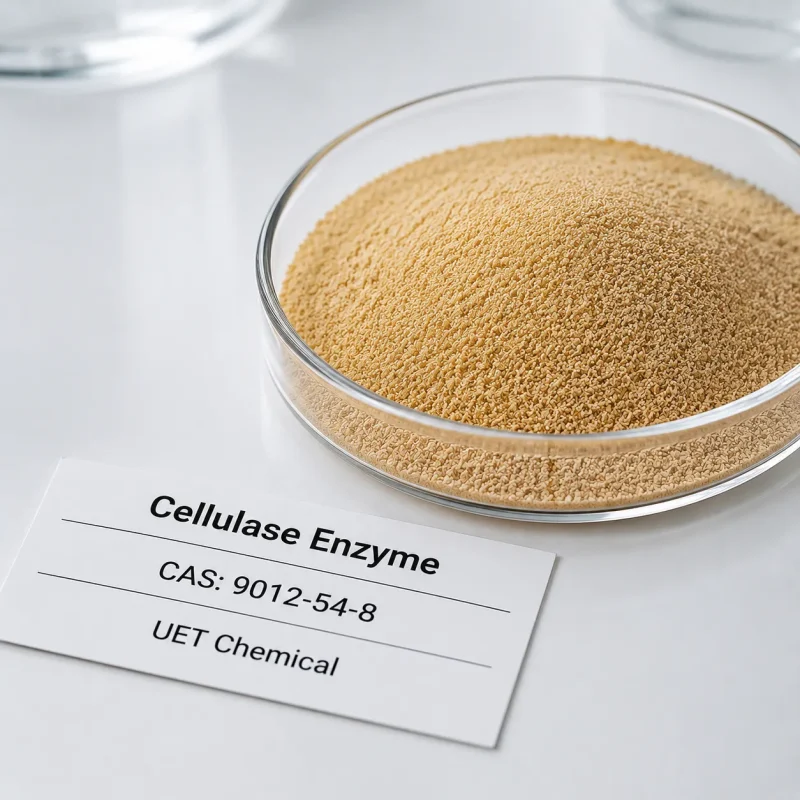
- Appearance: Light yellow to brownish liquid or powder
- Activity: 10,000 – 100,000 U/g (customizable)
- Optimum pH: 4.5 – 5.5 (acidic grade)
- Optimum Temperature: 50 – 60 °C (122 – 140 °F)
- Heavy Metals (Pb): 5 ppm max
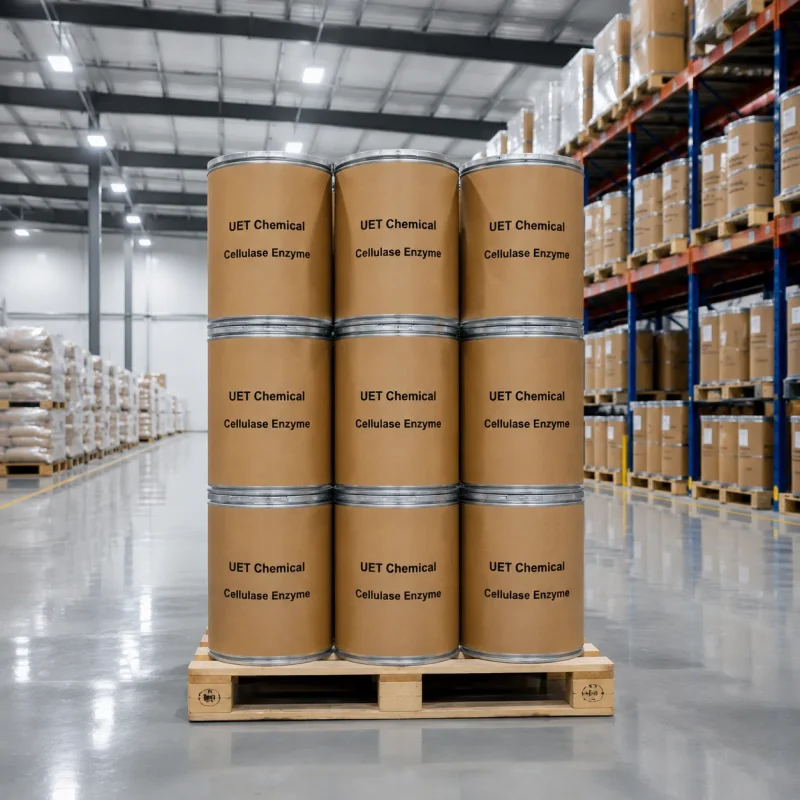
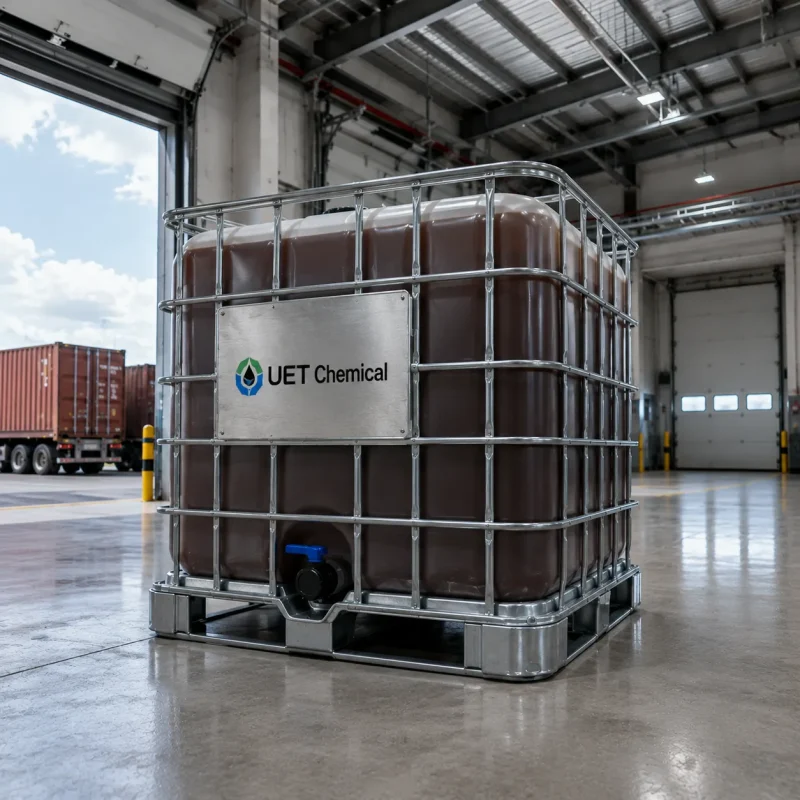
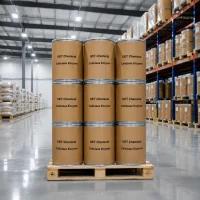
- Packaging: 25 kg (55 lb) drum, 200 kg (441 lb) HDPE drum. Custom packaging available upon request.
- Main Applications: Textile biopolishing, feed additives, bioethanol production, fruit juice extraction
Introduction to Cellulase Enzyme
Cellulase Enzyme is a complex biocatalyst comprising endoglucanases, exoglucanases, and beta-glucosidases. These proteins work synergistically to cleave the β-1,4-glycosidic linkages within insoluble cellulose polymers. The endoglucanases randomly cut internal bonds, exoglucanases release cellobiose from the chain ends, and beta-glucosidases convert cellobiose into glucose monomers.
Processing facilities utilize this enzyme preparation to break down plant cell walls and modify cotton fibers in aqueous environments. The catalytic action occurs under mild conditions, converting rigid polysaccharide matrices into soluble sugars or softening fiber surfaces without the need for harsh chemical alkalis.
Key Features of Cellulase
- Synergistic enzyme complex: The combination of endo-, exo-, and beta-glucosidases ensures complete degradation of crystalline and amorphous cellulose regions.
- Substrate specificity: Targets plant-based polysaccharides exclusively, leaving protein and synthetic polymer structures intact during textile and food processing.
- Mild operating conditions: Catalyzes hydrolysis at moderate temperatures and slightly acidic pH levels, reducing energy consumption compared to thermal chemical treatments.
Cellulase Enzyme Chemical & Physical Properties
| Property | Value |
|---|---|
| CAS Number | 9012-54-8 |
| Appearance | Light yellow to brownish liquid or powder |
| Optimum pH | 4.5 – 5.5 |
| Optimum Temperature | 50 – 60 °C (122 – 140 °F) |
| Solubility | Completely soluble in water |
| Enzyme Activity | 10,000 – 100,000 U/g |
| Heavy Metals (as Pb) | 5 ppm max |
Applications of Cellulase
Textile biopolishing and denim washing: Applied at 0.5-2.0% on the weight of fabric (owf) to remove micro-fibrils from cotton surfaces. The enzyme hydrolyzes protruding fibers, preventing pilling and creating a soft hand feel. Formulators adjust the bath acidity using Citric Acid to maintain the optimal pH 4.5-5.5 range for maximum catalytic efficiency.
Animal feed additives: Dosed at 100-500 g per metric ton of poultry or swine feed. The enzyme breaks down non-starch polysaccharides in corn and soybean meal, reducing intestinal viscosity and releasing trapped nutrients for better absorption.
Bioethanol and juice extraction: Saccharifies lignocellulosic biomass into fermentable sugars for fuel production. In fruit processing, it breaks down pomace cell walls, increasing juice yield and improving filtration rates.
Storage & Safety Precautions for Cellulase
- Temperature and activity loss: Store liquid or powder drums in a cold room between 4-10 °C (39-50 °F). Prolonged exposure to temperatures above 25 °C (77 °F) causes irreversible protein denaturation and rapid activity drop.
- Chemical incompatibility: Keep away from strong oxidizers, heavy metal salts, and extreme pH solutions. Copper and iron ions bind to the active sites and deactivate the enzyme. Facilities processing hard water often add trace amounts of Calcium Chloride Anhydrous to stabilize the protein structure against thermal unfolding.
- Handling and PPE: Enzyme dust and aerosols are respiratory sensitizers. Wear N95 masks, goggles, and nitrile gloves during dispensing. Wash skin immediately if splashed.
- Field note: When preparing the dosing tank, add the enzyme to water last. Dumping it into hot water or mixing it directly with concentrated surfactants will instantly denature the protein and ruin the batch.
Cellulase FAQ
Q: Why does Cellulase Enzyme lose activity in my textile bath?
A: Cellulase Enzyme denatures when exposed to extreme pH or temperatures above 60°C. Heavy metal ions also deactivate the active sites. Maintain the bath pH between 4.5 and 5.5 using Citric Acid, and keep the temperature below 55°C to preserve the catalytic structure.
Q: How does Cellulase improve animal feed digestibility?
A: Cellulase breaks down the beta-1,4-glycosidic bonds in plant cell walls, releasing trapped starch and proteins. Adding 0.1-0.5% Cellulase to poultry or swine feed reduces intestinal viscosity and increases nutrient absorption, leading to better feed conversion ratios.
Q: What is the optimal storage condition for Cellulase powder?
A: Store Cellulase powder in a cool, dry place below 20°C, away from direct sunlight. Moisture and heat cause rapid protein denaturation and activity loss. Keep the bags tightly sealed, as exposure to ambient humidity will trigger premature enzymatic degradation.
Related products
Manufacturer & Exporter Since 2006
Get Tailored Chemical Raw Material Solutions — Reply Within 1 Hour
Factory-direct pricing, stable high-purity supply and complete compliance documentation for your industrial formulations.
- 1000+Products
- 200+QC Protocols
- 7–15Days Delivery
- Factory-Direct Pricing
- COA / TDS / SDS Included
- Free Samples for Testing
- 40+ Export Countries
Request a Free Quote
Our engineers reply within 1 hour during GMT+8 business hours.
Please include in your inquiry:
- Product name or CAS number
- Required quantity
- Destination country or port
- Preferred packaging