
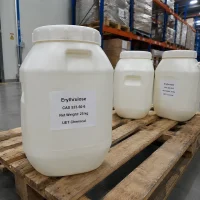
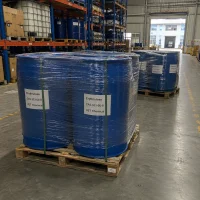
Erythrulose (DHB) CAS 533-50-6
Erythrulose (DHB, CAS 533-50-6) is a natural keto-sugar used as a self-tanning active in premium sunless cosmetic formulations. UETChem supplies high-purity erythrulose for cosmetic and personal care applications.
- CAS: 533-50-6
- Molecular Formula: C4H8O4
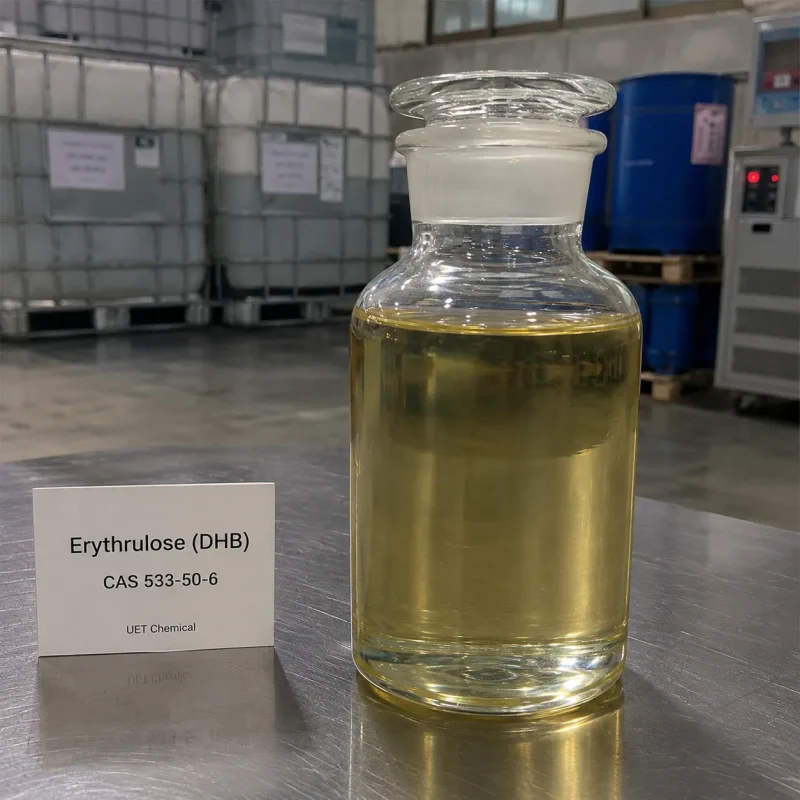
- Appearance: Colorless to pale yellow viscous liquid
- Purity: ≥ 98.0%
- pH (10% solution): 3.0-5.0
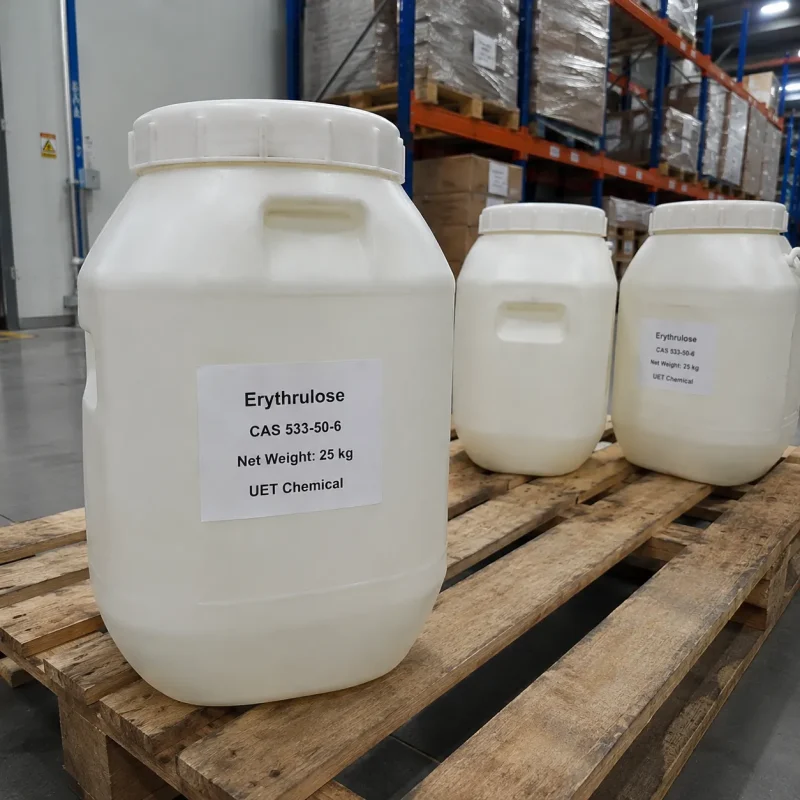
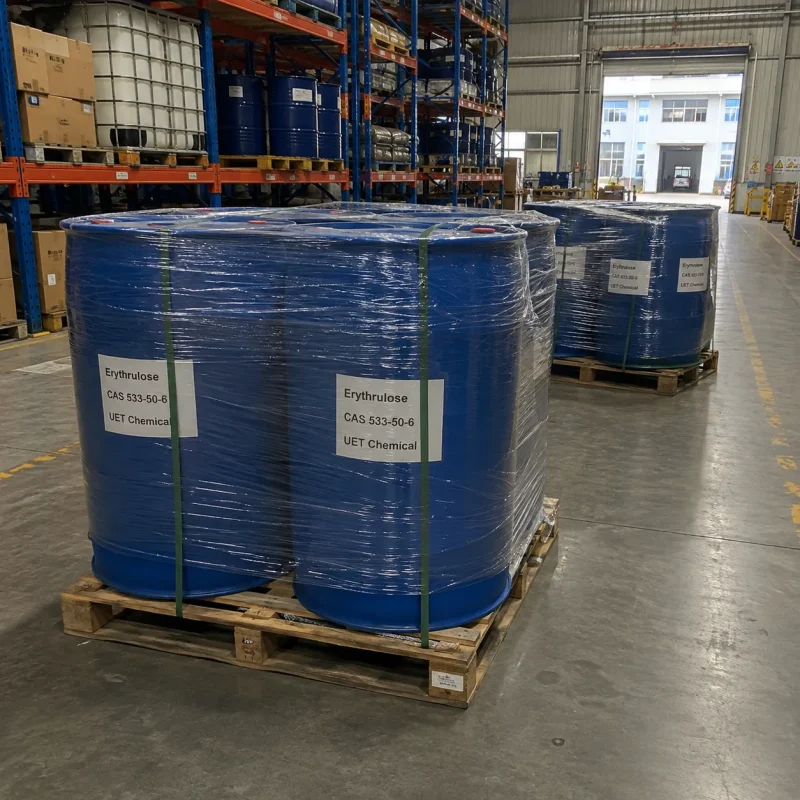
- Packaging: 25 kg drums, custom packaging available
- Documentation: COA, TDS, SDS/MSDS, cosmetic grade certificates
About Erythrulose
Erythrulose (D-erythrulose, DHB, CAS 533-50-6) is a four-carbon keto sugar produced through carbohydrate fermentation. It reacts with amino acids in the stratum corneum via the Maillard reaction to form a temporary brown pigment, producing a sunless tan without UV exposure.
Erythrulose is commonly used in combination with dihydroxyacetone (DHA) in self-tanning formulations. The combination produces a more natural, even skin tone with reduced streaking compared to DHA alone. Erythrulose develops more slowly but produces a longer-lasting, more balanced bronze tone with redder undertones that complement a wider range of skin types.
Specifications
| Parameter | Cosmetic Grade |
|---|---|
| Purity (HPLC) | ≥ 98.0% |
| Appearance | Colorless to pale yellow viscous liquid |
| pH (10% aqueous solution) | 3.0-5.0 |
| Water Content | ≤ 2.0% |
| Color (APHA) | ≤ 100 |
| Refractive Index (nD20) | 1.480-1.500 |
| Density (20°C) | 1.25-1.35 g/cm³ |
| Total Plate Count | ≤ 100 CFU/g |
Applications
Self-Tanning Products
Primary active ingredient in self-tanning lotions, creams, mousses, and sprays. Typical concentration ranges from 1-5% in finished formulations. Erythrulose is often combined with DHA at a 1:1 to 1:3 ratio to balance development speed and tone quality. The tan develops over 4-8 hours and lasts 5-7 days with proper skin preparation.
Gradual Tanning Moisturizers
Used at lower concentrations (0.5-2%) in daily moisturizers and body lotions for gradual, buildable color. These products allow users to control tan intensity through frequency of application. The slower development rate of erythrulose provides a more forgiving application with less risk of uneven patches.
Facial Tanning Products
Suitable for facial self-tanning formulations due to its milder reaction profile and more natural undertones. Often used in facial serums, creams, and sheet masks. Compatible with most cosmetic emulsifier systems and thickening agents.
Other Cosmetic Uses
Bronzing drops, tinted moisturizers, and after-sun products that enhance or extend a natural tan. Can be incorporated into leave-on and rinse-off formulations with appropriate stability testing.
Quality Control & Documentation
Each batch is tested before release:
- Purity analysis by high-performance liquid chromatography (HPLC)
- pH measurement of 10% aqueous solution
- Water content by Karl Fischer titration
- Color measurement by APHA/Pt-Co method
- Microbiological testing (total plate count, yeast and mold)
- Batch-specific COA accompanies every shipment
Available documentation includes COA, TDS, SDS/MSDS, cosmetic grade certificates, and allergen declarations. Product is manufactured in facilities compliant with GMP and ISO 9001 standards.
Storage & Handling
Store in a cool, dry, dark place at temperatures below 25°C. Keep containers tightly sealed to prevent moisture absorption and oxidation. Avoid prolonged exposure to light and heat, which can cause discoloration and degradation. Use stainless steel, glass, or food-grade plastic equipment. Shelf life is 18 months under proper storage conditions.
Wear protective gloves and safety glasses when handling concentrated material. Avoid direct skin contact and inhalation of vapors. Erythrulose may cause temporary skin discoloration with direct contact. In case of eye contact, flush with water for 15 minutes and seek medical attention.
Frequently Asked Questions
How does erythrulose differ from DHA?
Erythrulose develops more slowly (4-8 hours vs 2-4 hours for DHA) and produces a redder, more natural bronze tone. DHA produces a faster, more orange-toned tan. Most premium formulations combine both for balanced results.
What concentration should I use in my formulation?
Typical usage is 1-5% for self-tanning products and 0.5-2% for gradual tanning moisturizers. The optimal concentration depends on desired tan intensity, development time, and DHA ratio. Conduct stability and efficacy testing for each formulation.
Is erythrulose suitable for all skin types?
Erythrulose is generally well-tolerated across skin types. Its milder reaction profile makes it suitable for sensitive skin. As with any cosmetic active, patch testing is recommended for new formulations.
What is the minimum order quantity?
Standard packaging is 25 kg drums. Smaller sample sizes are available for formulation development and qualification testing. Full pallet and container pricing is available for bulk orders.
Related products
Manufacturer & Exporter Since 2006
Get Tailored Chemical Raw Material Solutions — Reply Within 1 Hour
Factory-direct pricing, stable high-purity supply and complete compliance documentation for your industrial formulations.
- 1000+Products
- 200+QC Protocols
- 7–15Days Delivery
- Factory-Direct Pricing
- COA / TDS / SDS Included
- Free Samples for Testing
- 40+ Export Countries
Request a Free Quote
Our engineers reply within 1 hour during GMT+8 business hours.
Please include in your inquiry:
- Product name or CAS number
- Required quantity
- Destination country or port
- Preferred packaging