
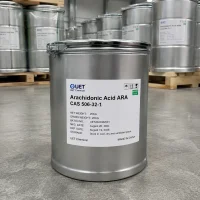
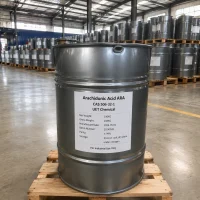
Arachidonic Acid (ARA) CAS 506-32-1
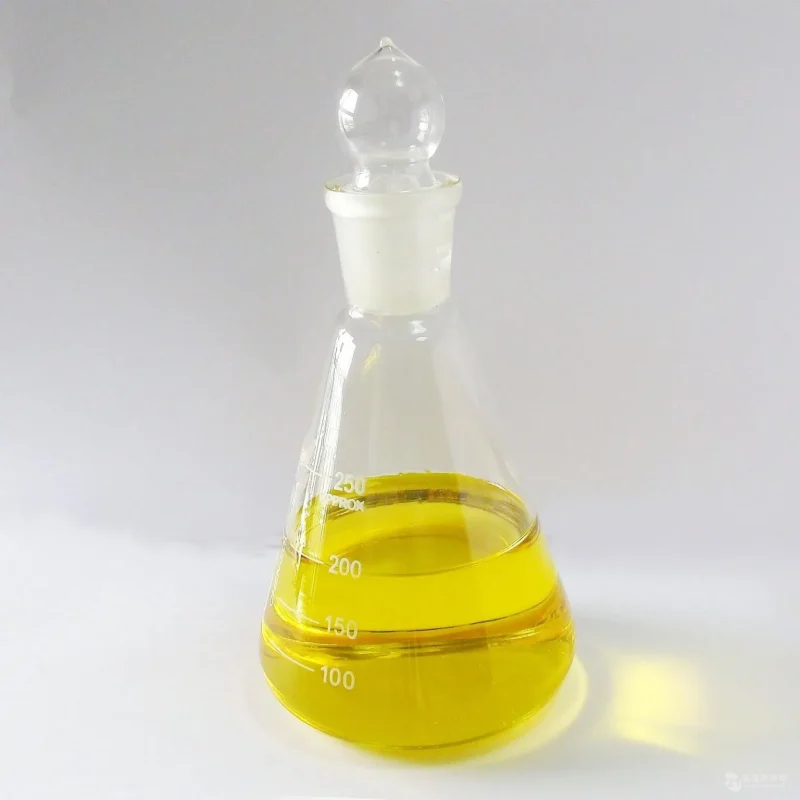
Arachidonic Acid (ARA) is an omega-6 polyunsaturated free fatty acid supplied as a colorless to pale yellow viscous liquid, featuring four cis-double bonds in a 20-carbon chain. This specific all-cis-5,8,11,14-eicosatetraenoic structure serves as a direct biochemical precursor for eicosanoids, making it essential for pharmaceutical lipid emulsions, cell culture media, and cosmetic barrier repair. Each shipment includes COA, TDS, and SDS.
- CAS No: 506-32-1
- Synonyms: ARA, all-cis-5,8,11,14-Eicosatetraenoic acid, 20:4(n-6)
- EC Number: 208-033-4
- Molecular Formula: C20H32O2
- Molecular Weight: 304.46 g/mol
- Appearance: Colorless to pale yellow viscous liquid or low-melting solid
- Purity (GC-FID): ≥ 95.0%
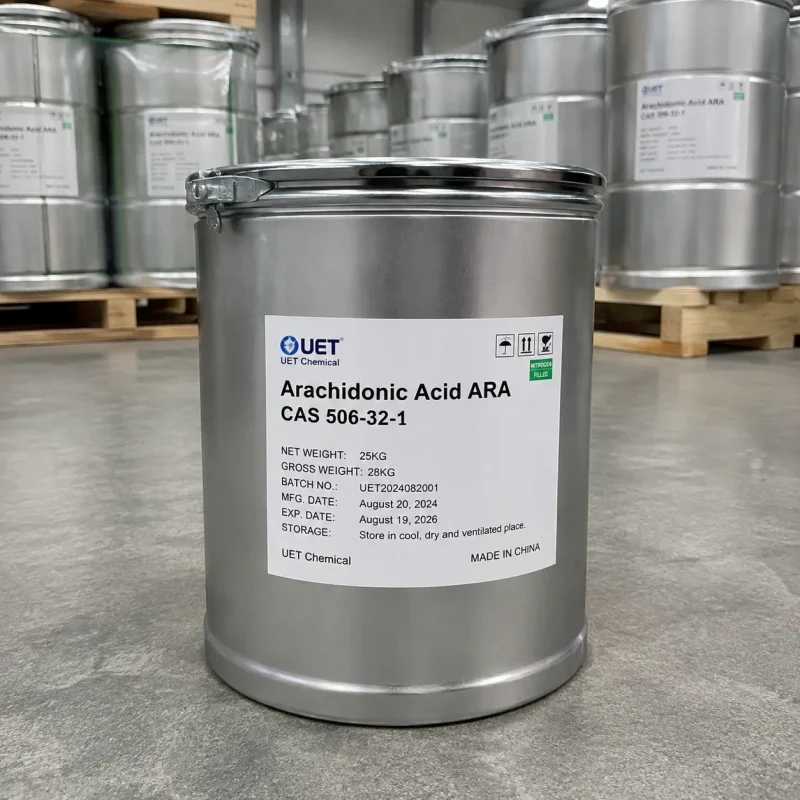
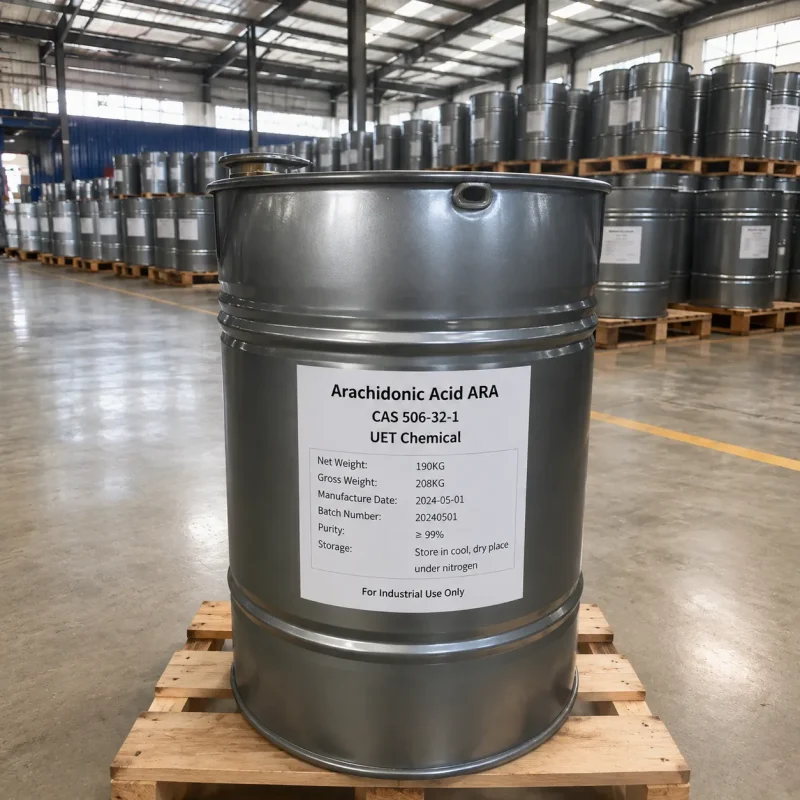
- Packaging: 1 kg (2.2 lb) amber glass bottle; 5 kg (11 lb) HDPE jerrycan; 25 kg (55 lb) fiber drum with PE liner. Custom packaging available upon request.
- Main Applications: Lipid nanoparticles (LNPs), cell culture supplements, cosmetic actives, dietary softgels
Introduction to Arachidonic Acid (ARA)
Arachidonic Acid (ARA) is an omega-6 polyunsaturated free fatty acid featuring four cis-double bonds in a 20-carbon chain. This specific structure serves as a direct biochemical precursor for eicosanoids, including prostaglandins and leukotrienes. Pharmaceutical formulators and biotech laboratories consume the bulk of high-purity output, incorporating the free acid into lipid nanoparticles or serum-free cell culture media to support membrane fluidity and receptor signaling.
The main processing advantage is high oxidative stability when handled under inert gas, despite the highly unsaturated backbone. The critical storage risk is rapid autoxidation. Exposure to oxygen, light, or trace transition metals triggers immediate peroxide formation and rancid off-odors. Always store the material under a nitrogen blanket at -20 °C (-4 °F), keep amber glass bottles tightly sealed, and use aliquoted portions to avoid repeated freeze-thaw cycles.
Key Features of Arachidonic Acid (ARA)
- Direct eicosanoid precursor. The four cis-double bonds allow immediate enzymatic conversion by cyclooxygenase (COX) and lipoxygenase (LOX) pathways to synthesize signaling lipids without requiring upstream desaturase steps.
- High-purity free acid form. Supplied as ≥ 95.0% free fatty acid, enabling precise molar dosing for cell culture media and pharmaceutical lipid nanoparticle formulations without glycerol backbone interference.
- Strict heavy metal control. Trace iron or copper catalyzes rapid lipid peroxidation; production enforces < 0.1 ppm transition metals to maintain shelf life and prevent catalytic degradation.
- Low-temperature phase behavior. The pure free acid solidifies or forms stearin fractions below 4 °C (39 °F); gentle warming to room temperature yields a clear, viscous liquid without phase separation.
Arachidonic Acid (ARA) Chemical & Physical Properties
| Property | Value |
|---|---|
| Molecular Formula | C20H32O2 |
| Molecular Weight | 304.46 g/mol |
| Melting Point / Thermal Behaviour | -49 °C (-56 °F); remains a viscous liquid at room temperature. Decomposes above 200 °C (392 °F) without boiling. |
| Density | 0.92 g/cm³ (57.4 lb/ft³) at 25 °C (77 °F). |
| Solubility | Insoluble in water; highly soluble in ethanol, chloroform, and hexane. |
| Peroxide Value | ≤ 5.0 mEq/kg (AOCS Cd 8b-90) |
| Acid Value | 180 – 190 mg KOH/g |
| Ash Content | ≤ 0.05% |
Applications of Arachidonic Acid (ARA)
Pharmaceutical lipid emulsions and LNPs: Dosed at 0.5–2.0% w/w in injectable lipid nanoparticles (LNPs) or parenteral nutrition, ARA integrates into the phospholipid bilayer. The free acid provides essential structural fluidity and serves as a metabolic reservoir for inflammatory modulation in targeted drug delivery systems.
Cell culture media supplements: Added at 1–10 µM to serum-free media for mammalian cell lines (e.g., CHO, HEK293). The free acid form bypasses lipase hydrolysis, directly incorporating into cell membranes to support receptor signaling, proliferation, and recombinant protein yield.
Cosmetic barrier repair creams: Formulated at 0.1–0.5% in oil-in-water emulsions, ARA replenishes epidermal lipid matrices. The molecule restores stratum corneum barrier function and reduces transepidermal water loss (TEWL) in aged or environmentally damaged skin.
Dietary supplement softgels: Encapsulated at 50–200 mg per softgel, often blended with DHA and stabilized with mixed tocopherols. The free acid is typically esterified or microencapsulated prior to ingestion to prevent gastric irritation and oxidation during shelf life.
Storage & Safety Precautions for Arachidonic Acid (ARA)
- Storage: Keep tightly sealed under nitrogen blanket at -20 °C (-4 °F) in amber glass. The four double bonds oxidize rapidly in air; an opened bottle left at room temperature will exceed peroxide limits within 48 hours. Avoid repeated freeze-thaw cycles.
- Safety: Not classified as hazardous under GHS. Wear nitrile gloves and safety glasses. Wipe spills immediately with paper towels, then clean with ethanol; oxidized ARA leaves a stubborn, sticky, rancid residue.
- Transport: Arachidonic Acid is Non-DG under IATA/IMDG/ADR. Ship in insulated cold-chain packaging (2–8 °C / 36–46 °F) with dry ice or gel packs for transit exceeding 3 days to prevent thermal degradation.
- QC note: Verify peroxide value (AOCS Cd 8b-90) and purity by GC-FID (USP <401>) upon receipt. A fresh lot is nearly odorless; a sharp, paint-like rancid smell indicates severe autoxidation. Reject lots with peroxide value > 10 mEq/kg.
Arachidonic Acid (ARA) FAQ
Q: Why does my Arachidonic Acid (CAS 506-32-1) smell like rancid paint?
A: Autoxidation. The four double bonds react with ambient oxygen to form hydroperoxides and aldehydes. Reject if peroxide value exceeds 10 mEq/kg. Store under nitrogen at -20 °C (-4 °F) and aliquot to avoid air exposure.
Q: Can I use this free acid directly in infant formula powder?
A: Not recommended. Free acid causes gastric irritation and oxidizes easily in dry powders. Infant formula requires ARA triglycerides (ARA oil) microencapsulated with whey protein. Use this free acid for pharma or cell culture.
Q: The liquid turned cloudy after taking it out of the freezer. Is it ruined?
A: Not ruined. High-purity ARA crystallizes or forms stearin fractions at low temperatures. Warm the bottle gently to 30 °C (86 °F) in a water bath and swirl until clear. Do not microwave or overheat.
Related products
Manufacturer & Exporter Since 2006
Get Tailored Chemical Raw Material Solutions — Reply Within 1 Hour
Factory-direct pricing, stable high-purity supply and complete compliance documentation for your industrial formulations.
- 1000+Products
- 200+QC Protocols
- 7–15Days Delivery
- Factory-Direct Pricing
- COA / TDS / SDS Included
- Free Samples for Testing
- 40+ Export Countries
Request a Free Quote
Our engineers reply within 1 hour during GMT+8 business hours.
Please include in your inquiry:
- Product name or CAS number
- Required quantity
- Destination country or port
- Preferred packaging