
Maleic Anhydride CAS 108-31-6
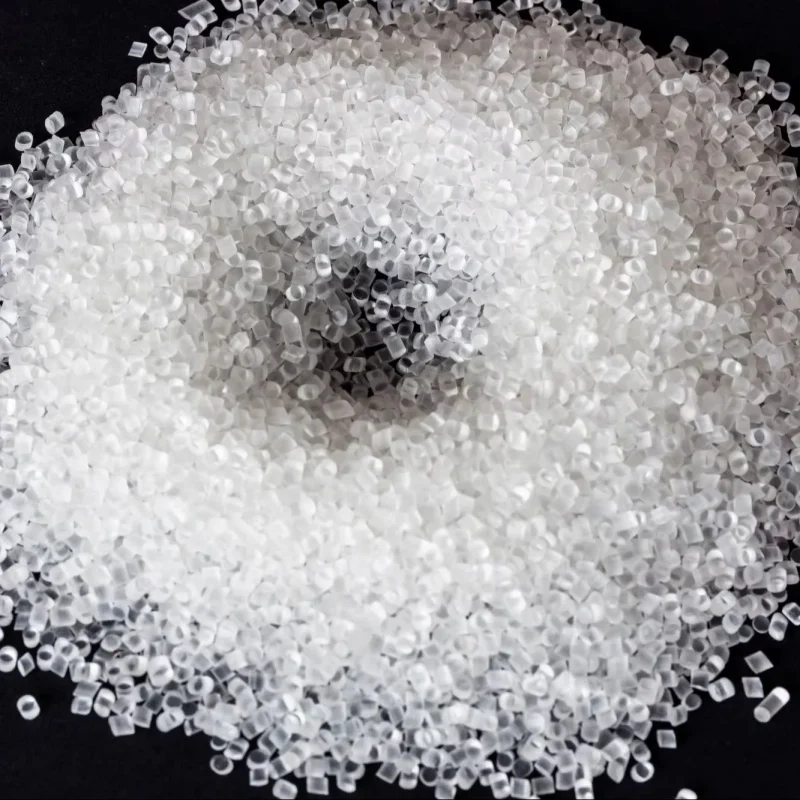
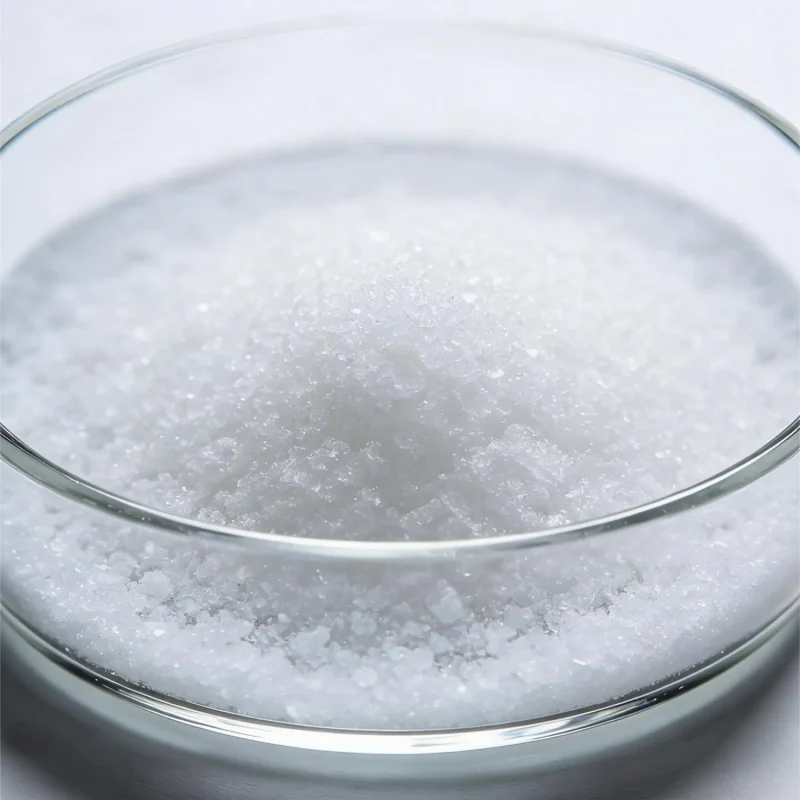
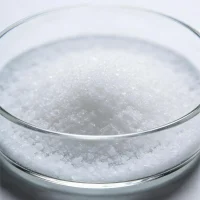
Maleic Anhydride (MA) is a highly reactive cyclic dicarboxylic anhydride supplied as white crystalline flakes or briquettes. Featuring both a carbon-carbon double bond and an anhydride group, it serves as a critical monomer and crosslinking agent for manufacturing unsaturated polyester resins (UPR), alkyd resins, and 1,4-butanediol (BDO). Each shipment includes COA, TDS, and SDS.
- CAS No: 108-31-6
- Synonyms: MA, 2,5-Furandione, Toxilic anhydride, Cis-butenedioic anhydride
- EC Number: 203-570-0
- Molecular Formula: C4H2O3
- Molecular Weight: 98.06 g/mol
- Appearance: White crystalline flakes, briquettes, or pellets with a pungent, choking odor
- Purity: ≥ 99.5%
- Melting Point: 52.8 °C (127 °F)
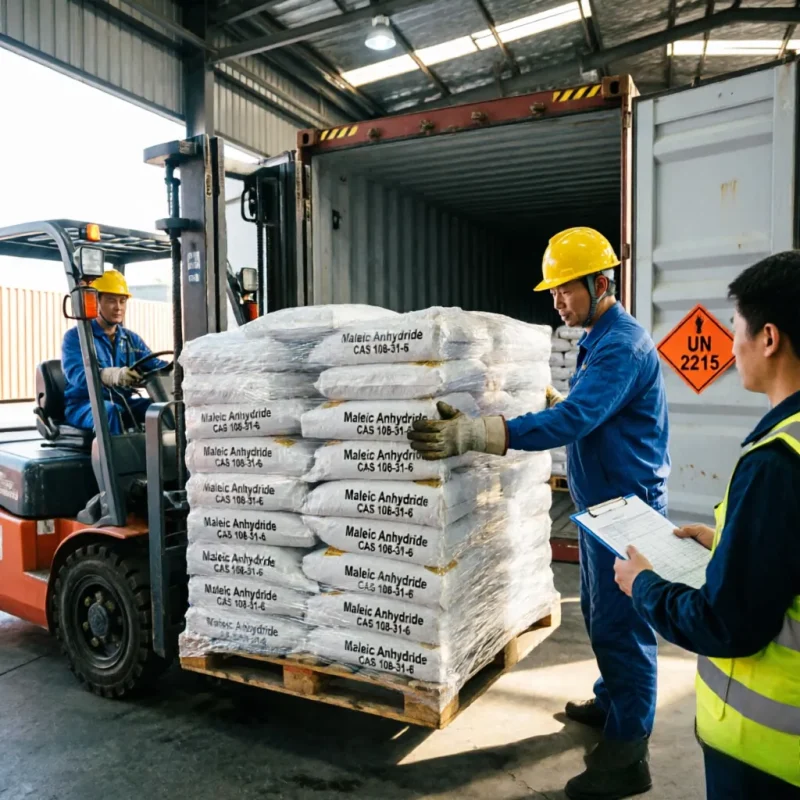
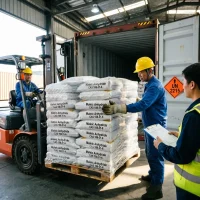
- Packaging: 25 kg (55 lb) multi-wall paper bag with PE liner; 1000 kg (2200 lb) woven PP jumbo bag with PE liner. Custom packaging available upon request.
- Main Applications: UPR production, alkyd resins, BDO synthesis, lubricant additives
Introduction to Maleic Anhydride
Maleic Anhydride is a versatile organic building block characterized by its highly reactive five-membered ring containing both an alkene double bond and an acid anhydride group. The global chemical industry consumes millions of tons annually, primarily as the backbone monomer for unsaturated polyester resins (UPR) used in fiberglass-reinforced plastics, artificial marble, and marine applications.
The primary processing advantage is its dual-reactivity: the anhydride ring opens readily for esterification, while the double bond enables free-radical copolymerization with styrene. The critical handling risk is its extreme hygroscopicity and corrosivity. Upon contact with ambient moisture, MA rapidly hydrolyzes into maleic acid, generating heat and causing severe caking. Furthermore, the hydrolyzed acid aggressively corrodes carbon steel equipment. Store strictly in moisture-proof, sealed packaging in a cool, dry warehouse.
Key Features of Maleic Anhydride
- Dual-functional reactivity. The acid anhydride group enables rapid esterification with polyols, while the alkene bond allows crosslinking with vinyl monomers like styrene during UPR curing.
- High thermal stability for melt processing. Can be safely melted and pumped at 60–70 °C (140–158 °F) for continuous reactor dosing without thermal degradation, provided the system is kept completely dry.
- Superior gloss and hardness in coatings. When incorporated into alkyd resins, it accelerates drying times and enhances the hardness, gloss, and chemical resistance of industrial paints and varnishes.
- Essential intermediate for advanced chemicals. Serves as the precursor for 1,4-butanediol (BDO), tetrahydrofuran (THF), and polyisobutylene succinic anhydride (PIBSA) ashless dispersants in engine oils.
Maleic Anhydride Chemical & Physical Properties
| Property | Value |
|---|---|
| Molecular Formula | C4H2O3 |
| Molecular Weight | 98.06 g/mol |
| Thermal Behaviour | Melting point 52.8 °C (127 °F). Boiling point 202 °C (395.6 °F). Readily sublimes below its melting point when heated in open air. |
| Density | 1.48 g/cm³ (92.4 lb/ft³) at 20 °C (68 °F). |
| Solubility | Reacts with water (hydrolyzes to maleic acid); highly soluble in ethanol, acetone, toluene, and chloroform. |
| Acid Value | ≥ 1140 mg KOH/g |
| Maleic Acid Content | ≤ 0.5% |
| Iron (Fe) Content | ≤ 1 ppm (critical for preventing color degradation in resins) |
| Flash Point | 102 °C (215 °F) (Closed Cup) |
Applications of Maleic Anhydride
Unsaturated Polyester Resins (UPR): Accounts for over 50% of global consumption. Copolymerized with propylene glycol and styrene to produce FRP (fiberglass-reinforced plastics) for automotive parts, wind turbine blades, sanitary ware, and artificial stone countertops.
Alkyd Resins and Industrial Coatings: Reacted with glycerol and fatty acids to produce air-drying alkyd resins. The rigid maleate structure imparts fast drying, high gloss, and excellent adhesion to architectural paints and industrial primers.
Lubricant and Fuel Additives: Reacted via the “ene” reaction with high-molecular-weight polyisobutylene (PIB) to form PIBSA, which is further aminated to create ashless dispersants that keep soot and sludge suspended in modern engine oils.
Agricultural and Specialty Chemicals: Used to synthesize maleic hydrazide (a plant growth regulator) and as a modifier for rosin in paper sizing and adhesive tackifiers.
Storage & Safety Precautions for Maleic Anhydride
- Storage: Keep tightly sealed in original PE-lined bags in a cool, dry, and well-ventilated warehouse below 30 °C (86 °F). Protect strictly from moisture and water sources. Exposure to humidity causes hydrolysis into maleic acid, leading to irreversible caking and the formation of a highly corrosive environment that will degrade standard packaging and carbon steel storage bins.
- Safety: Classified as Corrosive (Class 8). Causes severe skin burns, serious eye damage, and respiratory tract irritation. Dust or vapors are lachrymatory. Mandatory PPE includes chemical-resistant gloves, a full face shield, and an N95/organic vapor respirator during manual bag slitting and reactor charging.
- Transport: Classified as Dangerous Goods. UN Number: 2215, Class 8 (Corrosive), Packing Group III. Ship in standard dry containers, but avoid prolonged exposure to extreme heat (above 50 °C / 122 °F) to prevent melting and resolidification into solid blocks inside the bags.
- QC note: Verify purity (≥ 99.5%) and melting point (52.8 °C / 127 °F) upon receipt. Inspect bags for signs of moisture ingress; if the flakes have turned into a sticky, crumbly mass with a sharp acidic odor, it indicates severe hydrolysis into maleic acid—reject the lot for UPR applications.
Maleic Anhydride FAQ
Q: How does Maleic Anhydride differ from Maleic Acid?
A: Maleic Anhydride is the water-free cyclic form, while Maleic Acid is the hydrolyzed diacid form. MA is the required feedstock for UPR and esterification reactions because it does not introduce water into the system, which would otherwise inhibit polycondensation and cause resin cloudiness.
Q: The flakes arrived fused into a solid block inside the bag. Is it ruined?
A: MA melts at 52.8 °C (127 °F). If container temperatures exceeded this during summer ocean transit, the flakes may have melted and resolidified into a solid mass. Chemically, it is still usable if carefully melted down in a reactor. However, if the block is sticky, crumbly, or shows signs of moisture ingress, it has hydrolyzed and must be rejected.
Q: Why is the Iron (Fe) content specification (≤ 1 ppm) so critical?
A: Trace iron ions catalyze the premature crosslinking (gelation) of unsaturated polyester resins during storage and cause severe yellowing/discoloration in final cured plastics and light-colored alkyd coatings. High-purity MA with strict iron control is mandatory for premium resin grades.
Related products
Manufacturer & Exporter Since 2006
Get Tailored Chemical Raw Material Solutions — Reply Within 1 Hour
Factory-direct pricing, stable high-purity supply and complete compliance documentation for your industrial formulations.
- 1000+Products
- 200+QC Protocols
- 7–15Days Delivery
- Factory-Direct Pricing
- COA / TDS / SDS Included
- Free Samples for Testing
- 40+ Export Countries
Request a Free Quote
Our engineers reply within 1 hour during GMT+8 business hours.
Please include in your inquiry:
- Product name or CAS number
- Required quantity
- Destination country or port
- Preferred packaging