
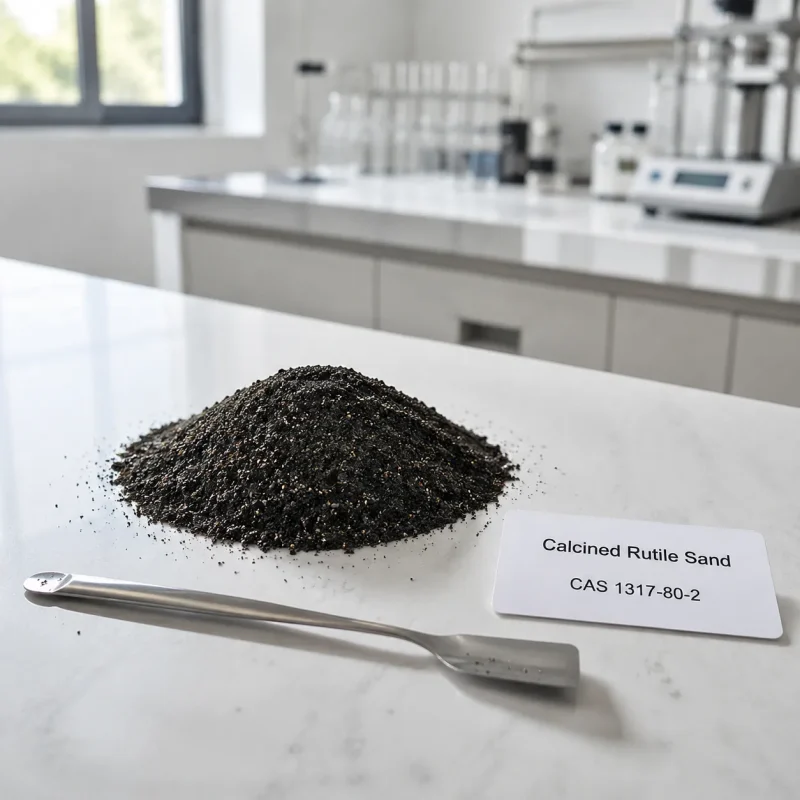
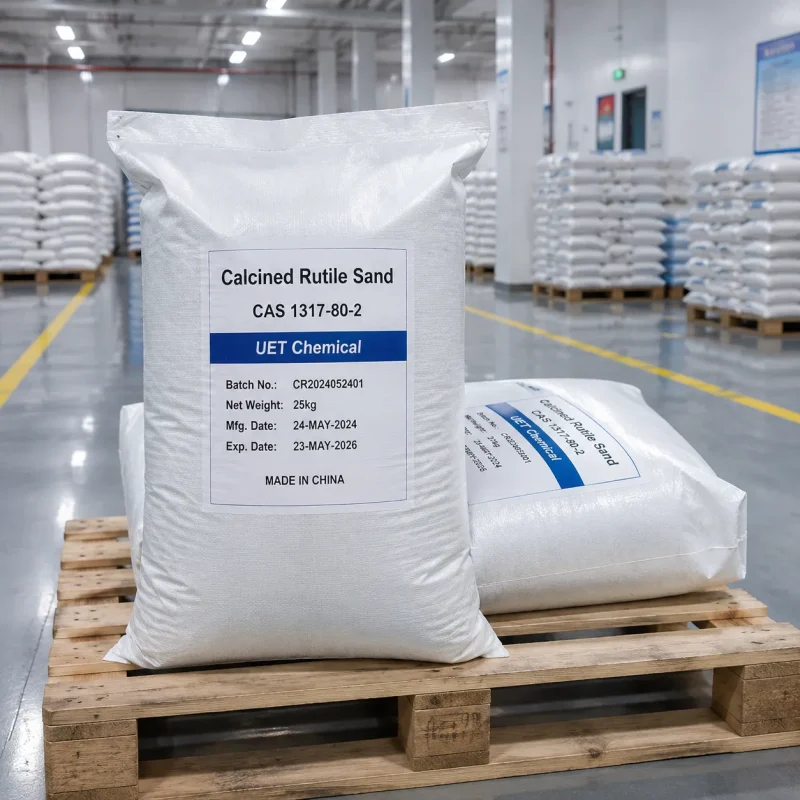
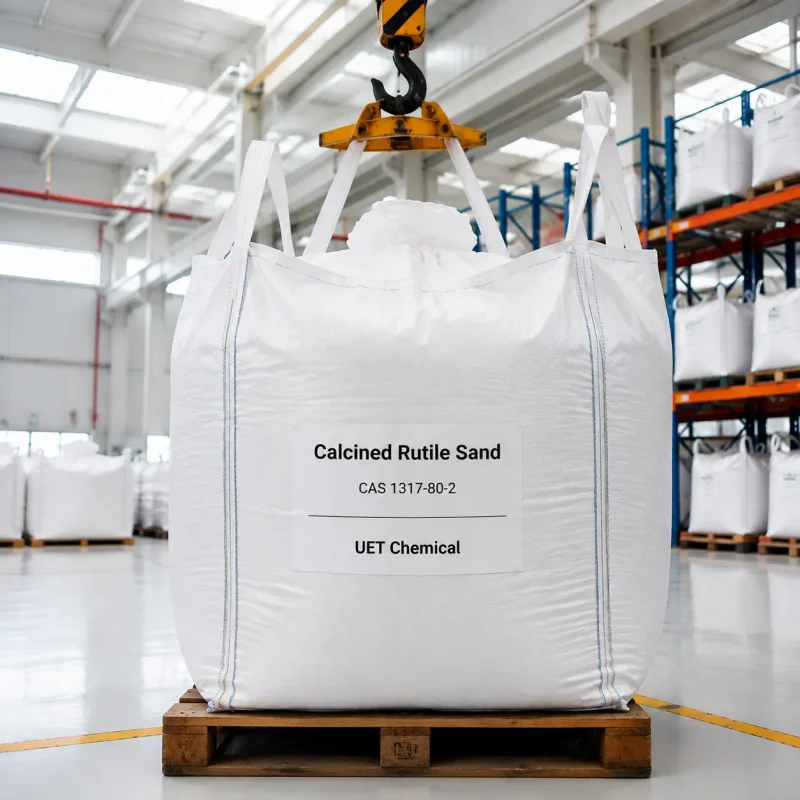
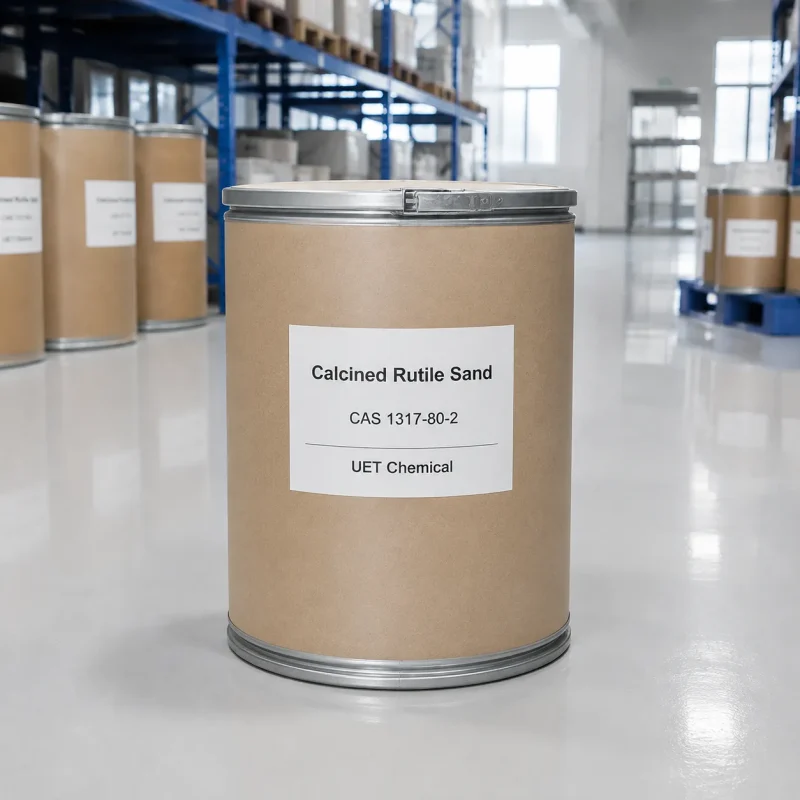
Calcined Rutile Sand CAS 1317-80-2
Calcined Rutile Sand is a granular titanium dioxide mineral that solves arc instability and poor slag detachability in welding, while providing thermal shock resistance in refractories. Welding and ceramic manufacturers rely on it for electrode coatings, refractory castables, and titanium metal smelting. UETChem supplies this material with strict mesh size control and high TiO2 purity, ensuring consistent slag fluidity and structural integrity. Each shipment includes COA, TDS, SDS.
- CAS No: 1317-80-2
- Synonyms: Synthetic rutile; Artificial rutile sand; Rutile TiO2 sand
- EINECS: 215-280-1
- Molecular Formula: TiO2
- Molecular Weight: 79.87 g/mol (79.87 lb/lbmol)
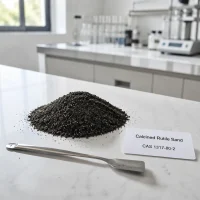
- Appearance: Dark brown to black granular sand
- TiO2 Content: 92.0 – 95.0%
- Density: 4.20 g/cm³ (35.0 lb/gal)
- Particle Size: 20 – 100 mesh (customizable)
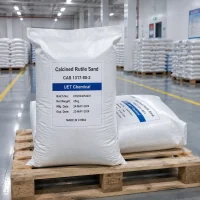
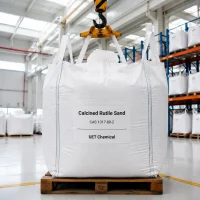
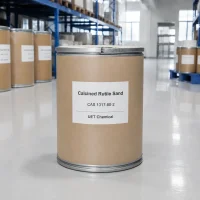
- Packaging: 25 kg (55 lb) bag, 1000 kg (2205 lb) jumbo bag. Custom packaging available upon request.
- Main Applications: Welding electrode flux, refractory aggregates, ceramic glazes, titanium metal smelting
Introduction to Calcined Rutile Sand
Calcined Rutile Sand is a granular mineral material composed primarily of titanium dioxide in the rutile crystal form. Produced through the calcination of upgraded ilmenite or titanium slag, it presents as dark brown to black sand particles. The material maintains a tetragonal crystal lattice structure, which provides high chemical inertness and thermal stability at elevated temperatures. It dissolves in concentrated sulfuric acid or hydrofluoric acid but remains insoluble in water and standard organic solvents.
Key Features of Calcined Rutile Sand
- Tetragonal crystal lattice: Provides structural rigidity and a high refractive index for optical and high-temperature applications.
- High specific gravity: Adds necessary density to welding fluxes and heavy media separation processes.
- Thermal stability: Maintains physical integrity without phase transition up to 1840 °C (3344 °F).
- Low impurity profile: Strict control over iron and silica content prevents unwanted fluxing reactions in high-temperature kilns.
Calcined Rutile Sand Chemical & Physical Properties
| Property | Value |
|---|---|
| Molecular Formula | TiO2 |
| Molecular Weight | 79.87 g/mol (79.87 lb/lbmol) |
| Appearance | Dark brown to black granular sand |
| TiO2 Content | 92.0 – 95.0% |
| Density | 4.20 g/cm³ (35.0 lb/gal) |
| Melting Point | ~1840 °C (3344 °F) |
| Particle Size | 20 – 100 mesh |
| Moisture | 0.2% max |
Applications of Calcined Rutile Sand
Welding electrode coatings: Dosed at 10-30% in rutile-type fluxes. The TiO2 stabilizes the electric arc and forms a fluid slag that protects the molten weld pool. Formulators blend it with Barium Sulfate (Barite) to adjust the slag weight and control the melting rate.
Refractory castables and bricks: Added at 5-15% to alumina-silica refractories. The rutile grains act as a high-temperature aggregate that resists thermal shock and slag penetration from molten metals in steel ladles.
Ceramic glazes: Used as a colorant and opacifier. During firing, it promotes the growth of titanium-rich crystals. Potters often mix it with Zinc Oxide to develop specific macro-crystalline patterns on the ceramic surface.
Storage & Safety Precautions for Calcined Rutile Sand
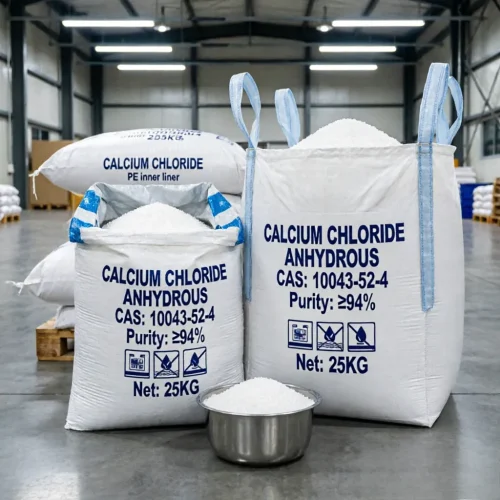
- Moisture control: Store in dry, covered warehouses. Wet sand clumps together and disrupts the dry-mixing process for welding fluxes. Facilities often use Calcium Chloride Anhydrous in adjacent storage rooms to maintain low ambient humidity.
- Dust management: Fine particles generated during handling pose a nuisance dust hazard. Use local exhaust ventilation and wear N95 respirators during bag slitting.
- Field note: When blending Calcined Rutile Sand into dry welding fluxes, add the coarse sand fractions first, followed by the fine powders and liquid binders, to ensure uniform distribution in the ribbon blender.
Calcined Rutile Sand FAQ
Q: How does Calcined Rutile Sand improve welding electrodes?
A: Calcined Rutile Sand stabilizes the electric arc and forms a protective slag layer over the weld pool. Its high TiO2 content reduces spatter and improves slag detachability. Formulators typically blend it with Barium Sulfate to control slag viscosity and melting point.
Q: What is the standard TiO2 purity of Calcined Rutile Sand?
A: Our Calcined Rutile Sand typically contains 92% to 95% TiO2. The remaining composition consists of iron oxides and silica. This high purity ensures excellent thermal stability in refractory castables and provides consistent color development in ceramic bodies.
Q: Can Calcined Rutile Sand be used in ceramic glazes?
A: Yes, Calcined Rutile Sand acts as a refractory aggregate and colorant in ceramic glazes. It promotes crystal growth during firing, creating unique visual effects. Manufacturers often combine it with Zinc Oxide to develop specific crystalline patterns and improve durability.
Related products
Manufacturer & Exporter Since 2006
Get Tailored Chemical Raw Material Solutions — Reply Within 1 Hour
Factory-direct pricing, stable high-purity supply and complete compliance documentation for your industrial formulations.
- 1000+Products
- 200+QC Protocols
- 7–15Days Delivery
- Factory-Direct Pricing
- COA / TDS / SDS Included
- Free Samples for Testing
- 40+ Export Countries
Request a Free Quote
Our engineers reply within 1 hour during GMT+8 business hours.
Please include in your inquiry:
- Product name or CAS number
- Required quantity
- Destination country or port
- Preferred packaging