
Gamma Aminobutyric Acid (GABA) Powder CAS 56-12-2
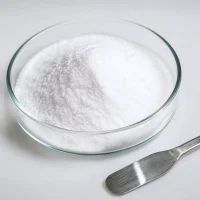
Gamma Aminobutyric Acid (GABA) is a non-protein γ-amino acid with the amino group at the γ-position relative to the carboxyl group on a four-carbon chain. White crystalline powder, ≥99.0% purity. Functions as a bioactive ingredient in functional food supplements (sleep support, stress relief), cosmetic anti-wrinkle formulations, and animal feed. Produced via microbial fermentation—no organic solvent residues. Each shipment includes COA, TDS, and SDS.
- CAS No.: 56-12-2
- Synonyms: γ-Aminobutyric acid; 4-Aminobutyric acid; Piperidinic acid; GABA
- EINECS: 200-258-6
- Molecular Formula: C₄H₉NO₂
- Molecular Weight: 103.12 g/mol
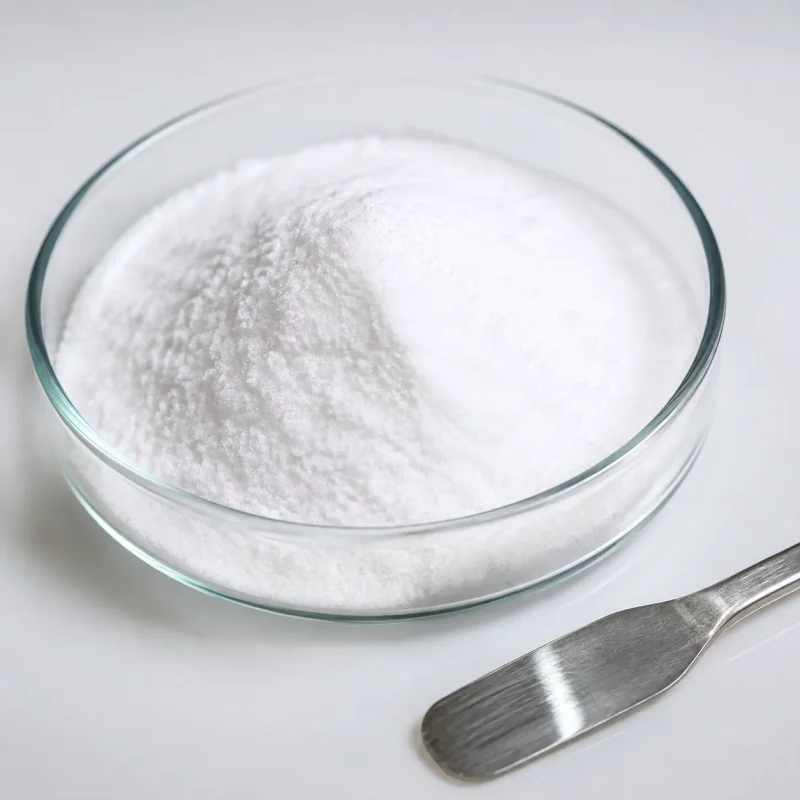
- Appearance: White crystalline powder
- Purity (titration): ≥99.0%
- pH (5% aq.): 7.0–8.0
- Melting Point: 195–204 °C (decomposes)
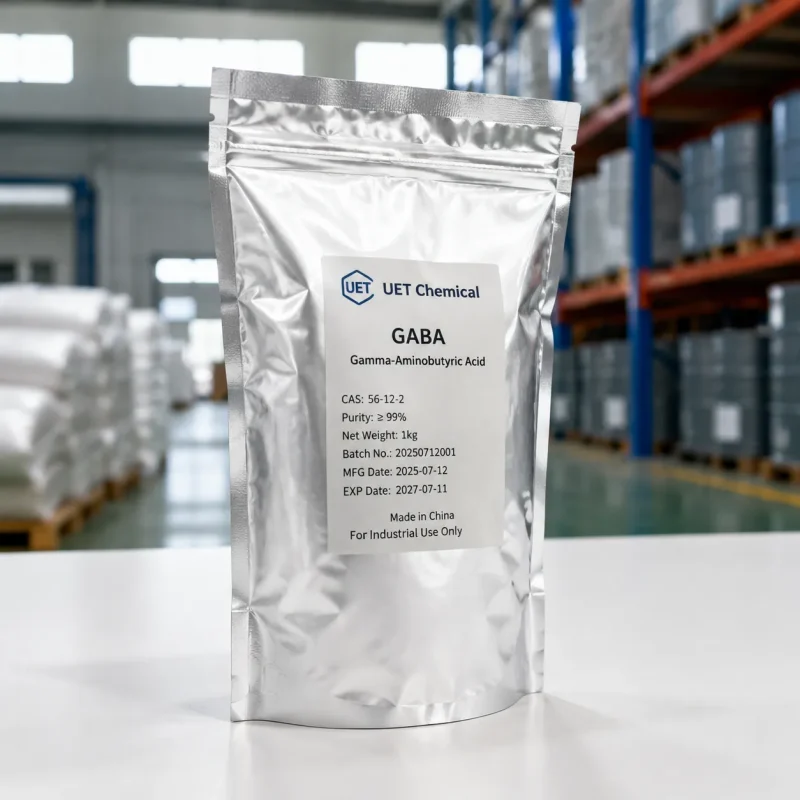
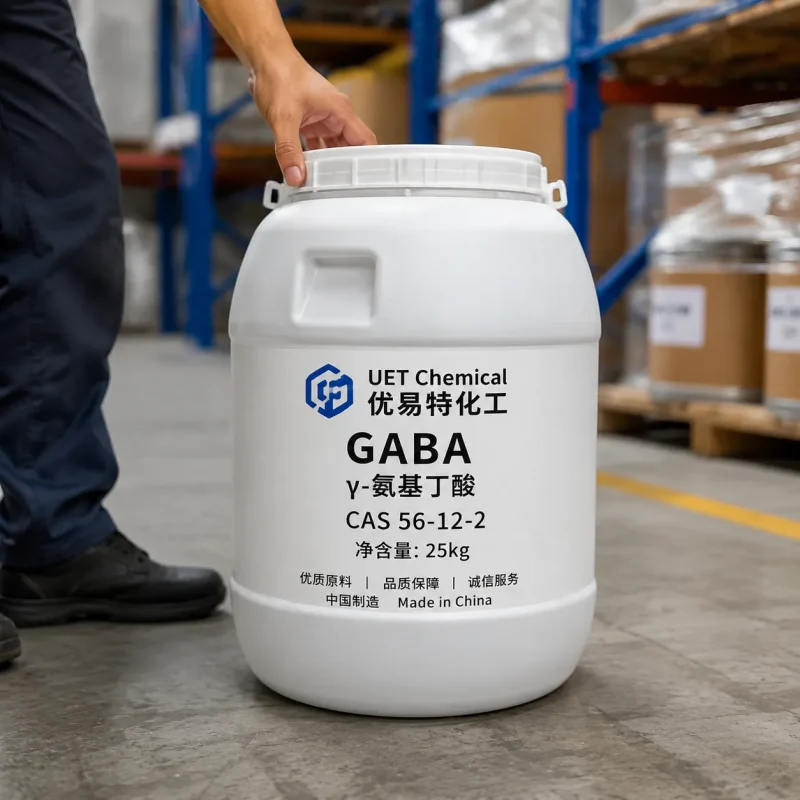
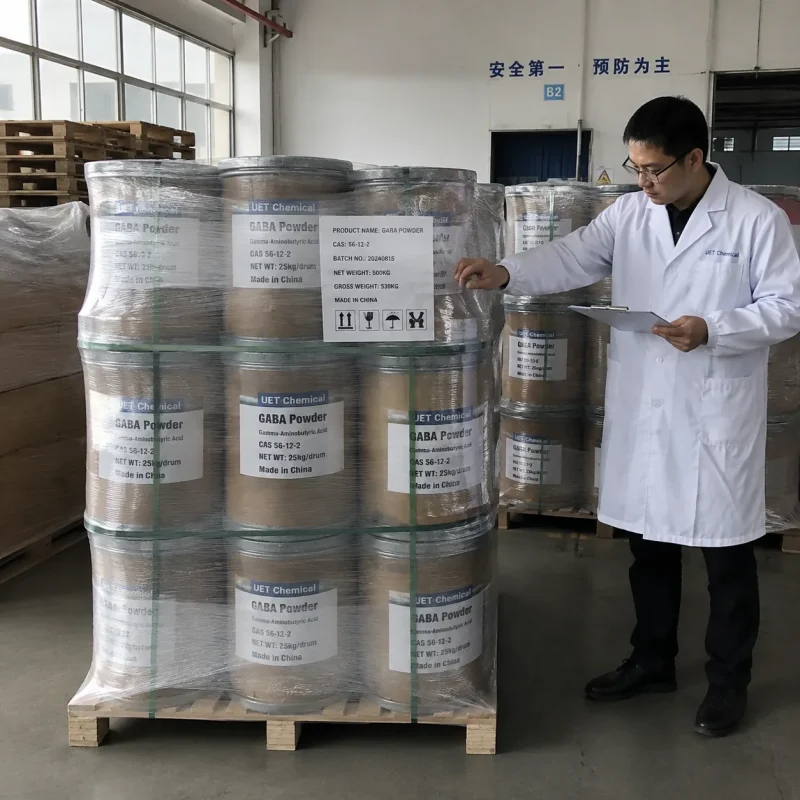
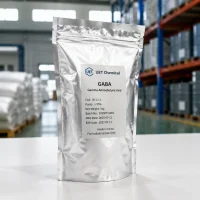
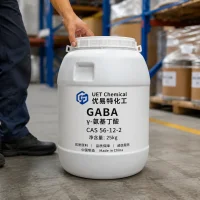
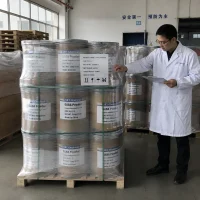
- Packaging: 25 kg fibre drum with PE liner / 500 kg bulk bag. Custom packaging available upon request.
- Main Applications: Functional food supplements; cosmetic anti-wrinkle actives; animal feed additive; plant growth regulator
Introduction to GABA
Gamma Aminobutyric Acid is a white crystalline powder, a non-protein amino acid in which the amino group occupies the γ-position on a four-carbon straight chain terminating in a single carboxyl group. This zwitterionic structure renders GABA fully water-soluble yet insoluble in ethanol, ether, and non-polar solvents. Produced via Lactobacillus fermentation of monosodium glutamate, it serves as a bioactive supplement in functional foods targeting sleep and stress, and as a smoothing active in anti-wrinkle cosmetics.
The γ-position amino group cannot participate in peptide bond formation, making GABA metabolically inert in protein synthesis pathways and highly stable in aqueous food matrices up to 80 °C. One practical caution: GABA possesses no UV chromophore. Standard UV-HPLC at 210 or 254 nm will not detect it. Incoming QC must use OPA (o-phthalaldehyde) pre-column derivatisation with fluorescence detection, or an evaporative light-scattering detector (ELSD). Skipping this step produces false-zero assay results.
Key Features of GABA
- γ-Amino configuration, non-proteinogenic. The amino group sits three carbons away from the carboxyl, preventing ribosomal incorporation. GABA does not form peptide bonds, eliminating Maillard browning risk in heat-processed food matrices below 120 °C.
- Zwitterionic water solubility. At neutral pH the molecule carries both NH₃⁺ and COO⁻ charges, dissolving at ~100 g/L in water at 20 °C. No organic co-solvent is needed for aqueous supplement or serum formulations.
- Fermentation-derived, solvent-free. Microbial conversion of glutamic acid via glutamate decarboxylase (GAD) eliminates petrochemical synthesis routes. No methanol, dichloromethane, or toluene residues appear in the final powder.
- Thermal stability in processing. The four-carbon backbone resists degradation at pasteurisation and spray-drying temperatures (60–85 °C). Decomposition onset sits at 195 °C, well above any food or cosmetic processing window.
- Neutral pH profile. Aqueous solutions at 5% w/w read pH 7.0–8.0. GABA does not shift formula pH, simplifying buffer design in supplements, serums, and feed premixes.
GABA Chemical & Physical Properties
| Property | Value |
|---|---|
| Molecular Formula | C₄H₉NO₂ |
| Molecular Weight | 103.12 g/mol |
| Melting Point | 195–204 °C (decomposes; no true boiling point) |
| Density (solid, 20 °C) | ~1.11 g/cm³ |
| Solubility in Water | ~100 g/L at 20 °C; ~150 g/L at 60 °C |
| Solubility (organic) | Insoluble in ethanol, ether, acetone, chloroform |
| pH (5% aq. solution) | 7.0–8.0 |
| Loss on Drying | ≤0.5% (105 °C, 2 h) |
| Heavy Metals | ≤10 ppm (FCC/USP method) |
| Residual Glutamic Acid | ≤0.5% (fermentation-grade indicator) |
Applications of GABA
Functional food and dietary supplements: Dosed at 100–750 mg per serving in tablets, capsules, or ready-to-drink shots. GABA crosses the blood-brain barrier at limited rates; peripheral GABAergic receptor activation in the enteric nervous system contributes to the observed relaxation effect. Typical formulation pH: 5.5–7.0. Compatible with melatonin, L-theanine, and magnesium glycinate blends.
Anti-wrinkle and smoothing cosmetics: Applied at 0.5–2.0% in serums and creams. GABA inhibits neurotransmitter release at the dermal-neural junction, reducing micro-contractions of facial muscles. The zwitterionic structure maintains hydration in the stratum corneum without adding tackiness. Stable in formulations at pH 4.5–7.5.
Animal feed additive (swine, poultry, aquaculture): Incorporated at 50–200 g per metric ton of complete feed. GABA modulates hypothalamic-pituitary signalling, reducing cortisol-driven stress responses during transport and heat load. Improves average daily gain by 3–8% in grower-finisher pigs under commercial trial conditions.
Plant growth regulation and seed treatment: Foliar spray at 50–100 ppm or seed soaking at 200–500 ppm. GABA accumulates in plant tissues under abiotic stress (salinity, drought); exogenous application primes the GAD shunt pathway, improving root elongation and chlorophyll retention. Compatible with most fungicide tank mixes at pH 5–8.
Storage & Safety Precautions for GABA
Storage conditions. Store in sealed PE-lined fibre drums at 5–30 °C, in a dry warehouse. GABA is mildly hygroscopic; at relative humidity above 70%, the powder absorbs moisture and may cake within 2–3 weeks. Caked GABA retains full potency but dissolves more slowly—crush or mill before use. Keep away from strong mineral acids and strong alkalis; below pH 2 the zwitterion converts to the cationic form, above pH 11 the amino group deprotonates, both altering solubility behaviour in downstream formulations.
Safety and PPE. GHS: Not classified as hazardous. Non-toxic, non-irritating, non-sensitising. Wear a standard N95 dust mask and safety glasses during bag emptying to prevent inhalation of fine crystalline dust. Spills are non-toxic; sweep dry, then wash the floor with water.
Transport classification. Non-DG. Not regulated under IMDG, IATA, or ADR. Ship as standard general cargo. Ensure drum liners are heat-sealed to prevent moisture ingress during ocean freight in tropical routes.
Practitioner note: When running incoming QC assay by HPLC, GABA has zero UV absorbance above 200 nm. Use OPA (o-phthalaldehyde) + 3-mercaptopropionic acid derivatisation with fluorescence detection (Ex 340 nm / Em 450 nm), or an ELSD/charged-aerosol detector. A lab that runs a standard C18 column at 210 nm will report “not detected” and reject a perfectly good batch. We have seen this exact error at two customer QC labs in 2023.
GABA FAQ
Q: How do I confirm the identity and purity of GABA (CAS 56-12-2) without a UV detector?
A: GABA lacks a UV chromophore. Use OPA derivatisation with fluorescence detection (Ex 340 / Em 450 nm) per AOAC 994.12 guidance, or run a titrimetric assay in glacial acetic acid with perchloric acid titrant (USP monograph method). Confirm identity by melting point (195–204 °C with decomposition) and a positive ninhydrin spot test (blue-violet). If your lab only has UV-HPLC, request a COA from the supplier showing the titration result.
Q: My GABA powder formed hard lumps after three months in a humid warehouse. Is it still usable?
A: Yes. Caking is a physical moisture-uptake issue, not chemical degradation. GABA is mildly hygroscopic; above 70% RH the surface dissolves slightly and recrystallises into bridges. Crush or pass through a 20-mesh sieve. Verify loss on drying (should remain ≤1.0%) and re-run assay. Potency is unaffected. Prevent recurrence by storing on pallets away from walls and keeping warehouse RH below 60%.
Q: Can GABA survive spray-drying and extrusion in functional food manufacturing?
A: Yes, up to 85 °C inlet temperature. Decomposition onset is 195 °C. In spray-drying, retention exceeds 97% at standard inlet/outlet conditions (160 °C / 80 °C) because the droplet core never exceeds 90 °C. In twin-screw extrusion, keep barrel temperature below 120 °C to avoid partial Maillard interaction if reducing sugars are co-present. Lot-to-lot assay variation typically stays within ±0.5% due to natural fermentation feedstock fluctuation.
Related products
Manufacturer & Exporter Since 2006
Get Tailored Chemical Raw Material Solutions — Reply Within 1 Hour
Factory-direct pricing, stable high-purity supply and complete compliance documentation for your industrial formulations.
- 1000+Products
- 200+QC Protocols
- 7–15Days Delivery
- Factory-Direct Pricing
- COA / TDS / SDS Included
- Free Samples for Testing
- 40+ Export Countries
Request a Free Quote
Our engineers reply within 1 hour during GMT+8 business hours.
Please include in your inquiry:
- Product name or CAS number
- Required quantity
- Destination country or port
- Preferred packaging