
Octylphenol Ethoxylate (OPEO) CAS 9002-93-1
Octylphenol Ethoxylate (OPEO) is a nonionic surfactant featuring a lipophilic octylphenol core and a hydrophilic polyoxyethylene chain, solving emulsion breakdown and poor wetting challenges in high-electrolyte environments. Agrochemical and textile manufacturers rely on it for pesticide emulsifiable concentrates, textile scouring agents, and metalworking fluids. UETChem supplies this product with strict control over free polyethylene glycol and ethylene oxide distribution, ensuring outstanding hard-water tolerance and long-term emulsion stability. Each shipment includes COA, TDS, SDS.
- CAS No: 9002-93-1
- Synonyms: OPEO; OP-10; Triton X-100; Polyethylene glycol octylphenyl ether
- EINECS: 500-005-9
- Molecular Formula: (C2H4O)nC14H22O
- Appearance: Colorless to pale yellow viscous liquid
- pH (1% aqueous): 6.0 – 8.0
- Cloud Point: 60 – 90 °C (varies by EO moles)
- Free PEG: 1.0% max
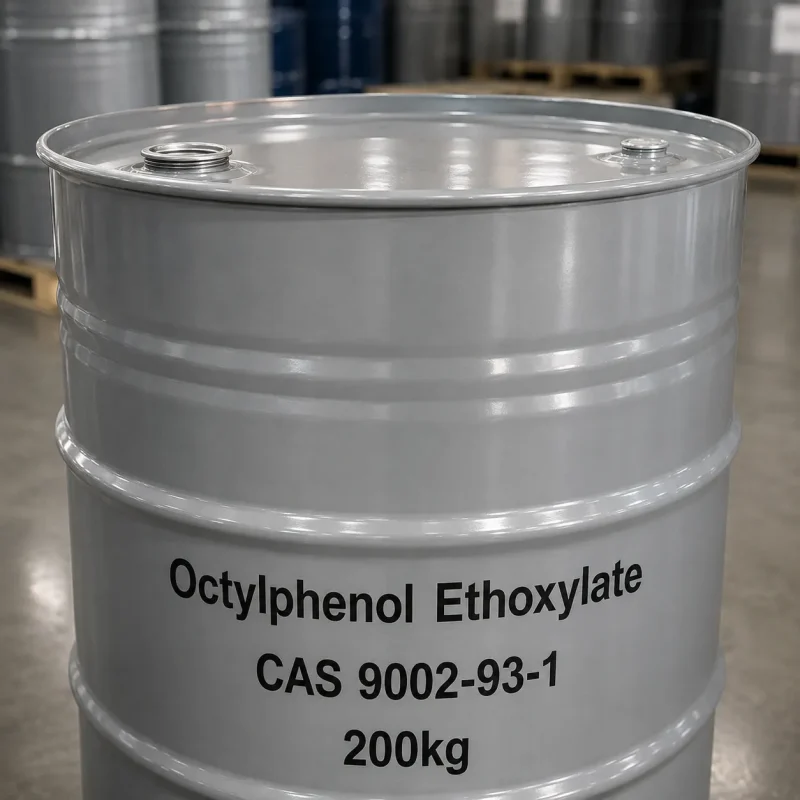
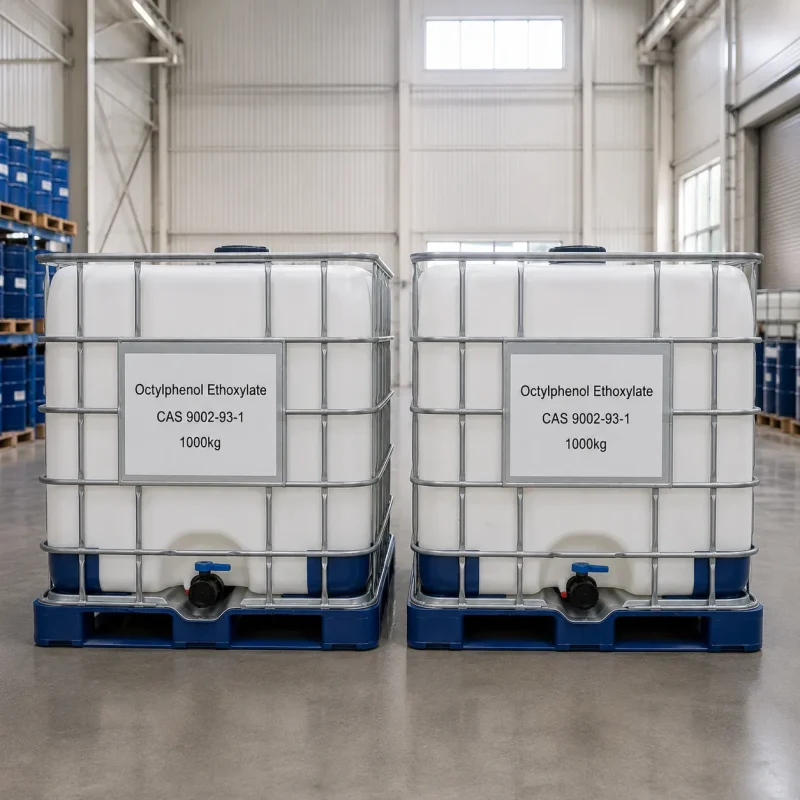
- Packaging: 200 kg (441 lb) HDPE drum, 1000 kg (2205 lb) IBC. Custom packaging available upon request.
- Main Applications: Agrochemical EC formulations, textile scouring, metalworking degreasers, latex emulsion polymerization
Introduction to Octylphenol Ethoxylate
Octylphenol Ethoxylate is a nonionic surfactant synthesized by the condensation of octylphenol with varying moles of ethylene oxide. The molecular architecture consists of a bulky, hydrophobic octylphenol tail attached to a flexible, hydrophilic polyoxyethylene chain. In aqueous systems, the molecules migrate to the oil-water interface, reducing interfacial tension and preventing droplet coalescence through steric hindrance.
Key Features of OPEO
- Polyoxyethylene chain: Provides hydrogen bonding sites that ensure water solubility and steric stabilization in concentrated emulsions.
- Octylphenol core: Delivers strong lipophilicity, allowing the molecule to effectively solubilize non-polar mineral oils, waxes, and silicone fluids.
- Electrolyte tolerance: Maintains surface activity and emulsion stability in highly acidic or alkaline formulations and in the presence of multivalent metal salts.
Applications of OPEO
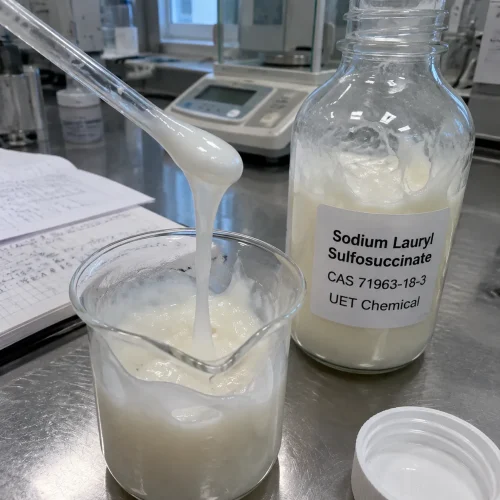
Agrochemical emulsifiable concentrates (EC): Blended with anionic surfactants like Sodium Lauryl Sulfosuccinate to create stable microemulsions. The OPEO molecules wrap around active pesticide droplets, ensuring rapid spreading and penetration on waxy crop leaves upon dilution in hard field water.
Textile scouring and dyeing auxiliaries: Used at 2-5% in alkaline boiling baths to emulsify natural waxes and seed oils from raw cotton. The surfactant keeps the extracted lipids suspended, preventing redeposition on the fabric. Formulators often add Sodium Xylene Sulfonate as a hydrotrope to prevent the surfactant from clouding out in highly concentrated dye baths.
Metalworking and industrial cleaners: Acts as a primary emulsifier in water-based degreasers. It lifts heavy machining oils and greases from metal surfaces. In heavy-duty liquid detergents, it is paired with Cocamide MIPA to boost foam stability and increase the viscosity of the cleaning solution.
Storage & Safety Precautions for OPEO
- Temperature management: Store drums in a warehouse between 10 °C and 35 °C (50 °F – 95 °F). High-EO grades may solidify or become highly viscous in cold weather. Warm the drums gently using band heaters before pumping.
- Handling and PPE: The liquid is a mild skin and eye irritant. Wear splash goggles and nitrile gloves during decanting. Clean spills immediately with absorbent clay, as the surfactant creates a severe slip hazard when mixed with water.
- Field note: When formulating high-alkaline cleaners, add the OPEO after the caustic soda has completely dissolved and cooled slightly. Dumping the surfactant into boiling caustic solutions can cause localized degradation and discoloration.
OPEO FAQ
Q: How does Octylphenol Ethoxylate (OPEO) stabilize pesticide emulsions?
A: OPEO adsorbs at the oil-water interface, providing steric hindrance that prevents pesticide droplets from coalescing. The polyoxyethylene chain maintains stability in hard field water. Formulators blend OPEO with anionic surfactants to achieve rapid spreading on waxy crop leaves.
Q: What is the cloud point of OPEO in aqueous solutions?
A: The cloud point of OPEO depends on the ethylene oxide (EO) moles. Low-EO grades have low cloud points, making them ideal for low-temperature emulsification. High-EO grades remain soluble at higher temperatures, suiting hot textile scouring baths and high-heat industrial processes.
Q: Can OPEO be used in highly alkaline metal cleaners?
A: Yes, OPEO is a nonionic surfactant and exhibits excellent stability in highly alkaline environments. It does not hydrolyze or precipitate in the presence of strong caustic soda or sodium metasilicate, making it a reliable emulsifier for heavy-duty industrial metal degreasers.
Related products
Manufacturer & Exporter Since 2006
Get Tailored Chemical Raw Material Solutions — Reply Within 1 Hour
Factory-direct pricing, stable high-purity supply and complete compliance documentation for your industrial formulations.
- 1000+Products
- 200+QC Protocols
- 7–15Days Delivery
- Factory-Direct Pricing
- COA / TDS / SDS Included
- Free Samples for Testing
- 40+ Export Countries
Request a Free Quote
Our engineers reply within 1 hour during GMT+8 business hours.
Please include in your inquiry:
- Product name or CAS number
- Required quantity
- Destination country or port
- Preferred packaging