
Bio-based Succinic acid CAS 110-15-6
Bio-based Succinic Acid is a renewable bio-derived dicarboxylic acid produced via microbial fermentation of plant-based feedstocks. It serves as a sustainable building block for biodegradable polymers, food additives, pharmaceutical intermediates and industrial chemicals, delivering equivalent reactivity to petroleum-based succinic acid with a lower carbon footprint. UETChem supplies high-purity bio-based succinic acid with consistent bio-based carbon content for eco-friendly formulation and manufacturing. Each shipment includes COA, TDS, SDS.
- CAS No: 110-15-6
- Synonyms: Butanedioic acid; Amber acid; Bio-succinic acid; Succinic acid bio-based
- EINECS: 203-740-4
- Molecular Formula: C₄H₆O₄
- Molecular Weight: 118.09 g/mol
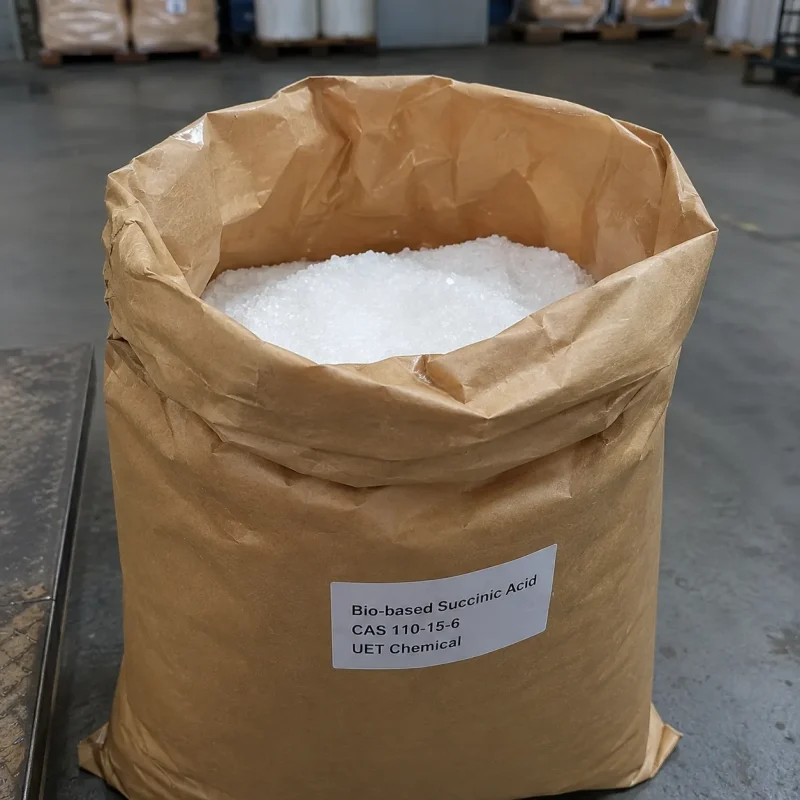
- Appearance: White crystalline powder
- Purity: 99.5% min
- Bio-based Carbon Content: ≥ 99%
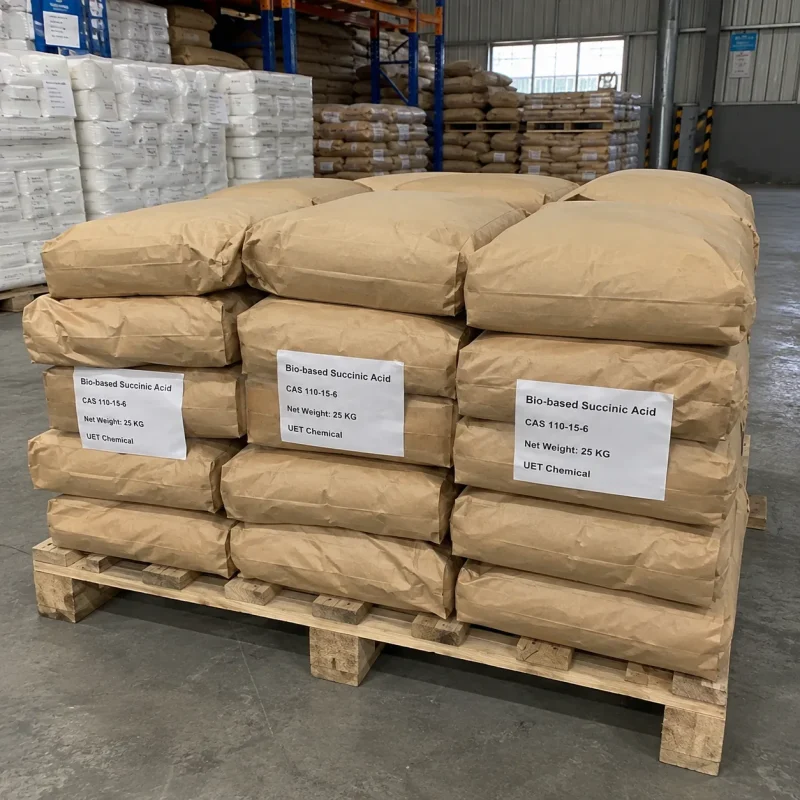
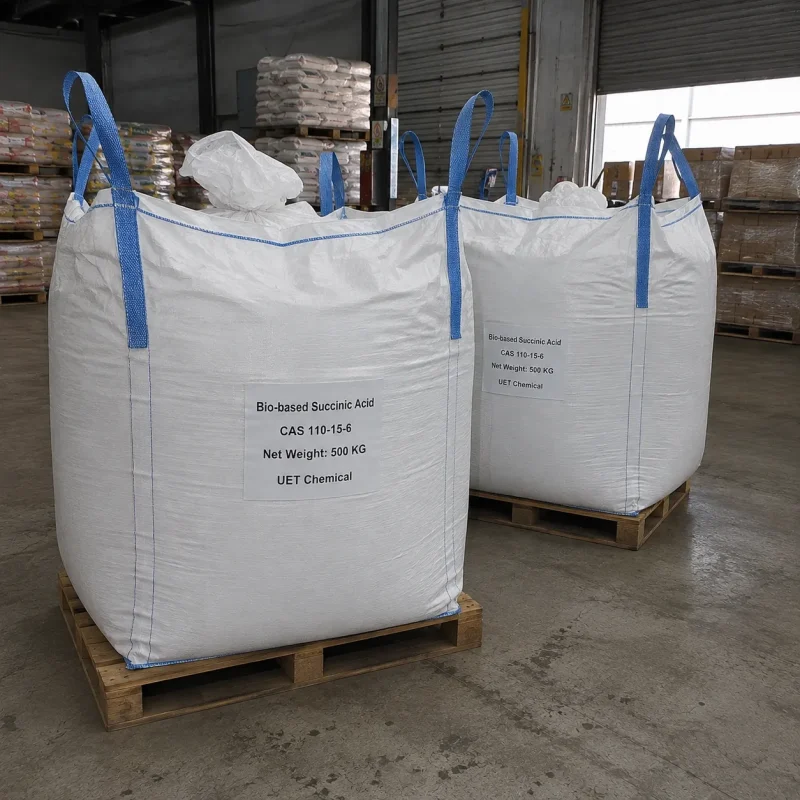
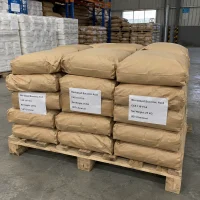
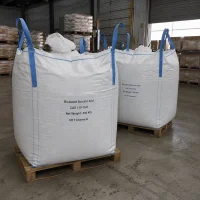
- Packaging: 25 kg kraft bag with PE liner, 500 kg pallet. Custom packaging available upon request.
- Main Applications: Biodegradable polymers, food acidulants, pharmaceutical intermediates, green solvents, plasticizers
Introduction to Bio-based Succinic Acid
Bio-based Succinic Acid is a four-carbon dicarboxylic acid manufactured through industrial microbial fermentation using renewable carbohydrate feedstocks, offering a sustainable alternative to petroleum-derived succinic acid. It appears as white crystalline powder at room temperature, soluble in water and alcohols, and features two reactive carboxylic acid groups that support a wide range of condensation, esterification and polymerization reactions.
With over 99% bio-based carbon content, it delivers identical chemical performance to fossil-based grades while significantly reducing environmental impact. It is a key platform chemical for the bio-economy, serving as a precursor to numerous downstream green chemicals and biodegradable materials.
Bio-based Succinic Acid Chemical & Physical Properties
| Property | Value |
|---|---|
| Molecular Formula | C₄H₆O₄ |
| Molecular Weight | 118.09 g/mol |
| Appearance | White crystalline powder |
| Melting Point | 185 – 189 °C |
| Boiling Point | 235 °C (decomposition) |
| Density | 1.56 g/cm³ |
| Solubility in Water | ~8 g/100 mL at 20 °C |
| Purity | 99.5% min |
| Bio-based Carbon Content | ≥ 99% |
Applications of Bio-based Succinic Acid
Biodegradable polymer synthesis: Serves as the core monomer for producing polybutylene succinate (PBS), polybutylene succinate adipate (PBSA) and other bio-based polyesters. These materials are fully biodegradable in soil and marine environments, replacing conventional plastics in packaging, disposable goods and agricultural films.
Food and beverage additives: Used as an acidulant, flavor enhancer and buffering agent in food and drink formulations. It provides mild, sustained tartness and acts as a sequestrant to stabilize color, flavor and shelf life in processed foods, beverages and confectionery.
Pharmaceutical and cosmetic intermediates: Functions as a raw material for synthesizing active pharmaceutical ingredients, excipients and cosmetic buffers. It also acts as a pH adjuster and chelating agent in personal care formulations, with good skin compatibility.
Industrial green chemicals: Converted into bio-based solvents, plasticizers, lubricants and corrosion inhibitors. It replaces petroleum-derived diacids in alkyd resins, hot melt adhesives and water treatment formulations, supporting low-carbon industrial transition.
Storage & Safety Precautions for Bio-based Succinic Acid
- Store in tightly sealed moisture-resistant packaging in a cool, dry warehouse. The material is slightly hygroscopic; exposure to high humidity causes caking and reduced flowability. Keep away from strong oxidizers and bases.
- Wear safety goggles, dust masks and nitrile gloves during bulk powder handling. Avoid inhalation of dust, which may cause mild irritation to the respiratory tract and eyes. Rinse with water in case of contact.
- Non-flammable and low toxicity. Store separately from food and feed materials to prevent cross-contamination. Process waste according to local environmental regulations.
Bio-based Succinic Acid FAQ
Q: What is the difference between bio-based and petroleum-based succinic acid?
A: Bio-based succinic acid is produced from renewable plant feedstocks via fermentation, with over 99% bio-based carbon and a lower carbon footprint. It has identical chemical purity and reactivity as petroleum-derived grades.
Q: What is the largest application of bio-based succinic acid?
A: Its primary use is as a monomer for biodegradable polyesters like PBS and PBSA, which replace conventional plastics in packaging, disposable products and agricultural applications.
Q: What storage conditions does bio-based succinic acid require?
A: Store sealed in a cool, dry place. It is slightly hygroscopic, so moisture protection prevents caking and maintains consistent flowability and purity.
Related products
Manufacturer & Exporter Since 2006
Get Tailored Chemical Raw Material Solutions — Reply Within 1 Hour
Factory-direct pricing, stable high-purity supply and complete compliance documentation for your industrial formulations.
- 1000+Products
- 200+QC Protocols
- 7–15Days Delivery
- Factory-Direct Pricing
- COA / TDS / SDS Included
- Free Samples for Testing
- 40+ Export Countries
Request a Free Quote
Our engineers reply within 1 hour during GMT+8 business hours.
Please include in your inquiry:
- Product name or CAS number
- Required quantity
- Destination country or port
- Preferred packaging