
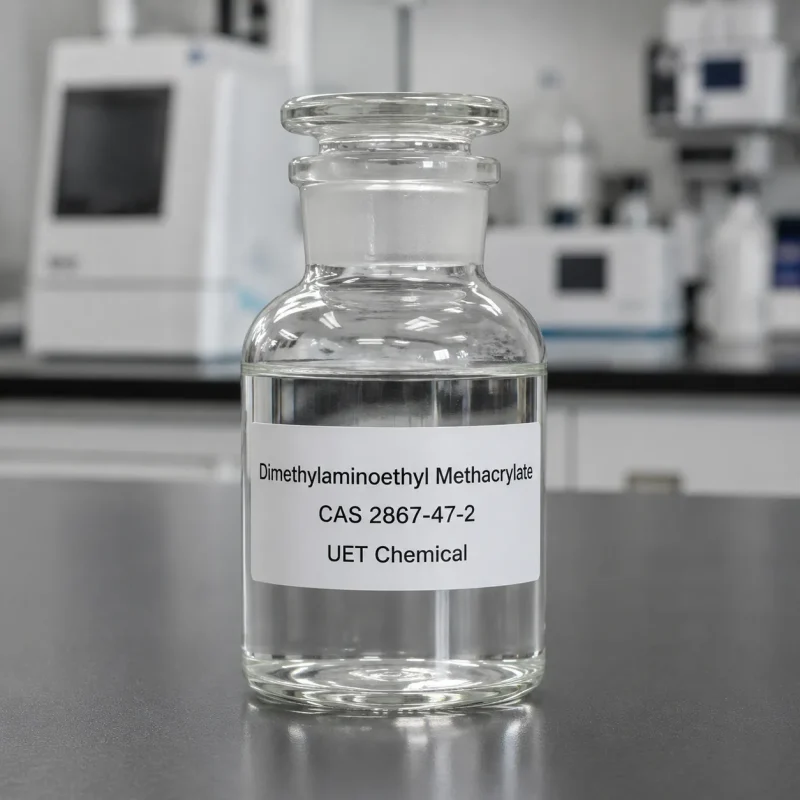
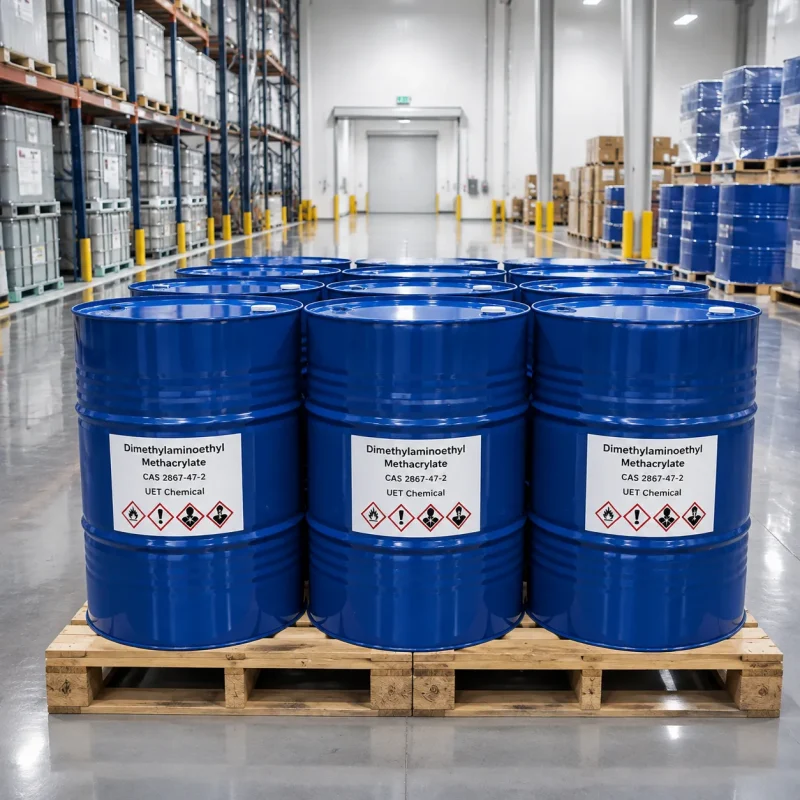
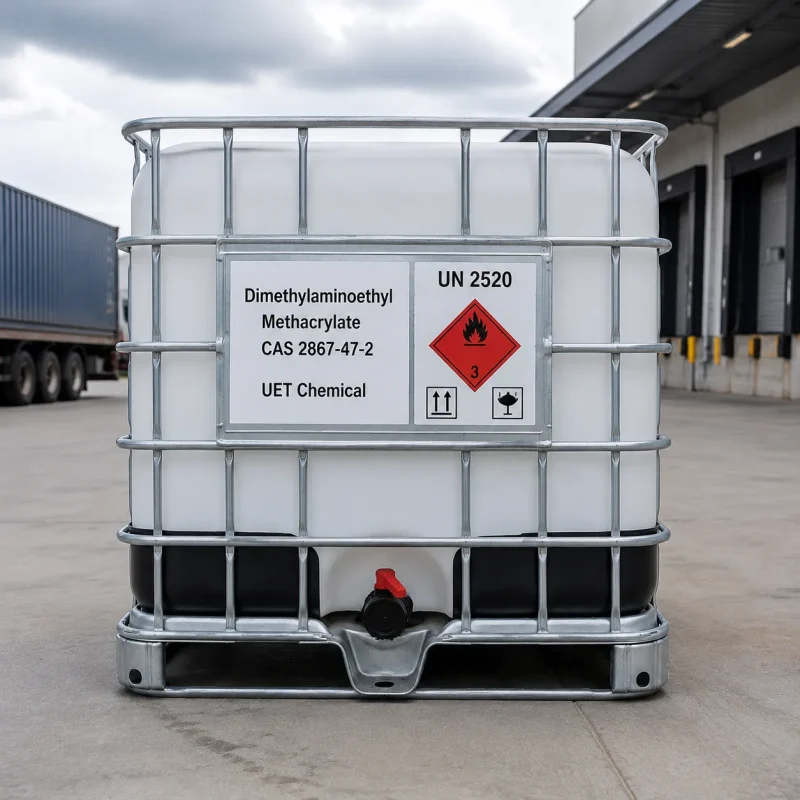
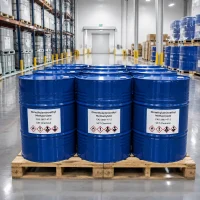
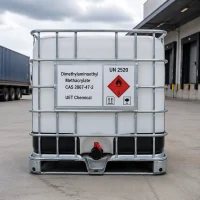
Dimethylaminoethyl Methacrylate CAS 2867-47-2
Dimethylaminoethyl Methacrylate (DMAEMA) is a tertiary amine-functional methacrylate monomer that solves poor flocculation efficiency, low dye retention, and weak conditioning challenges in water treatment and personal care formulations. Polymer and specialty chemical manufacturers rely on it for cationic flocculants, paper sizing agents, and hair conditioning polymers. UETChem supplies this product with strict control over inhibitor levels, moisture, and purity, ensuring predictable copolymerization kinetics and zero premature gelation. Each shipment includes COA, TDS, SDS.
- CAS No: 2867-47-2
- Synonyms: DMAEMA; 2-(Dimethylamino)ethyl methacrylate
- EINECS: 220-713-2
- Molecular Formula: C8H15NO2
- Molecular Weight: 157.21 g/mol
- Appearance: Colorless to pale yellow transparent liquid
- Purity: 99.0% min (GC)
- Moisture: 0.1% max
- Inhibitor (MEHQ): 100 ppm max
- Packaging: 200 kg (441 lb) HDPE drum, 1000 kg (2205 lb) IBC. Custom packaging available upon request.
- Main Applications: Cationic flocculants, paper retention aids, hair conditioners, amphoteric polymers
Introduction to Dimethylaminoethyl Methacrylate
Dimethylaminoethyl Methacrylate is a functional methacrylate monomer featuring a polymerizable carbon-carbon double bond and a terminal tertiary amine group separated by a two-carbon ethyl spacer. The molecular architecture provides two distinct reactive sites: the vinyl group undergoes free-radical chain-growth polymerization, while the amine group imparts cationic character upon protonation or quaternization. At room temperature, the compound exists as a colorless to pale yellow liquid with a characteristic strong amine odor.
Industrial polymerization facilities consume this monomer to introduce basic amine functionality into acrylic and methacrylic polymer backbones. The material mixes completely with water under acidic conditions and most organic solvents. It is stabilized with trace amounts of monomethyl ether hydroquinone (MEHQ) to prevent premature thermal polymerization during storage and transit.
Key Features of DMAEMA
- Tertiary amine functionality: Readily protonates in acidic environments or undergoes quaternization with alkyl halides to form permanent cationic sites.
- pH-responsive behavior: The pendant amine groups alter the hydrophilic-lipophilic balance of the polymer chain depending on the pH of the aqueous medium.
- High copolymerization reactivity: The methacrylate double bond readily copolymerizes with acrylic acid, acrylamide, and other vinyl monomers.
DMAEMA Chemical & Physical Properties
| Property | Value |
|---|---|
| Molecular Formula | C8H15NO2 |
| Molecular Weight | 157.21 g/mol |
| Appearance | Colorless to pale yellow transparent liquid |
| Boiling Point | 82 °C (180 °F) at 15 mmHg |
| Density | 0.93 g/cm³ (7.76 lb/gal) at 20 °C |
| Flash Point | 62 °C (144 °F) closed cup |
| Refractive Index | 1.440 at 20 °C |
Applications of DMAEMA
Water treatment flocculants: Copolymerized with acrylamide to manufacture cationic polyacrylamides. These polymers neutralize negatively charged colloidal particles in municipal wastewater and industrial effluents. Formulators frequently blend the resulting copolymers with synthetic threshold inhibitors like Polyepoxysuccinic Acid (PESA) to create comprehensive water treatment programs.
Paper manufacturing and retention aids: Added to the wet end of paper machines to improve fiber and filler retention. The cationic charge binds negatively charged fines. Paper mills often combine these retention aids with anionic dispersants like Sodium Polyacrylate to optimize the formation and drainage rates on the wire section.
Personal care and hair conditioners: Polymerized and quaternized to form conditioning agents that deposit onto negatively charged hair fibers. Cosmetic chemists incorporate these cationic polymers into shampoos alongside mild surfactants like Sodium Lauroyl Sarcosinate to provide detangling and antistatic benefits without suppressing lather.
Polymer synthesis: Copolymerized with functional monomers like Glacial Acrylic Acid (GAA) to create amphoteric polyelectrolytes used in drilling mud additives and enhanced oil recovery.
Storage & Safety Precautions for DMAEMA
- Inhibitor and temperature control: Store in tightly sealed HDPE drums below 25 °C (77 °F). The MEHQ inhibitor requires dissolved oxygen to function. Never blanket storage tanks with pure nitrogen.
- Handling and PPE: DMAEMA is a severe skin and eye irritant and a strong respiratory sensitizer. Wear chemical splash goggles, heavy-duty nitrile gloves, and an organic vapor respirator during drum decanting.
- Field note: When formulating copolymers, maintain the reactor temperature strictly below 80 °C (176 °F). The tertiary amine group can participate in unwanted side reactions, such as Michael additions, at elevated temperatures if the free-radical initiator concentration is too low.
DMAEMA FAQ
Q: How does Dimethylaminoethyl Methacrylate (DMAEMA) function in wastewater treatment?
A: DMAEMA provides tertiary amine groups that protonate in water, creating cationic sites. When copolymerized, these sites neutralize negatively charged colloidal particles. Formulators use DMAEMA-based flocculants to aggregate suspended solids, accelerate sludge dewatering, and clarify industrial effluents.
Q: Why is Dimethylaminoethyl Methacrylate (DMAEMA) used in hair conditioners?
A: DMAEMA polymers carry a positive charge that binds to negatively charged hair cuticles. This deposition provides excellent detangling, softness, and antistatic control. Cosmetic chemists incorporate DMAEMA derivatives into shampoos to deliver conditioning benefits without suppressing foam volume.
Q: What causes Dimethylaminoethyl Methacrylate (DMAEMA) to polymerize in storage?
A: DMAEMA polymerizes spontaneously when the MEHQ inhibitor depletes due to heat or oxygen exclusion. Store drums sealed below 25 °C with adequate air headspace. Never blanket tanks with nitrogen, as the inhibitor requires dissolved oxygen to scavenge free radicals and prevent exothermic gelation.
Related products
Manufacturer & Exporter Since 2006
Get Tailored Chemical Raw Material Solutions — Reply Within 1 Hour
Factory-direct pricing, stable high-purity supply and complete compliance documentation for your industrial formulations.
- 1000+Products
- 200+QC Protocols
- 7–15Days Delivery
- Factory-Direct Pricing
- COA / TDS / SDS Included
- Free Samples for Testing
- 40+ Export Countries
Request a Free Quote
Our engineers reply within 1 hour during GMT+8 business hours.
Please include in your inquiry:
- Product name or CAS number
- Required quantity
- Destination country or port
- Preferred packaging